 English
 中文简体
中文简体 русский
 Français
 Español
 عربى
عربى
AC Asynchronous Motors Suppliers
-
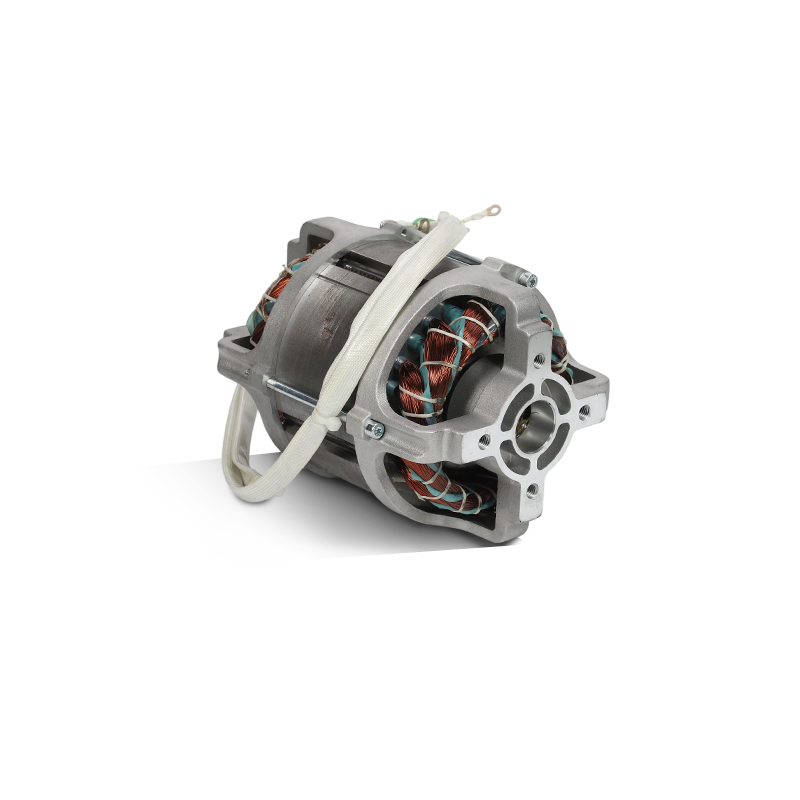 AJAB Sub-Oil A Motor
AJAB Sub-Oil A Motor
AJAB Sub-Oil A Motor
-
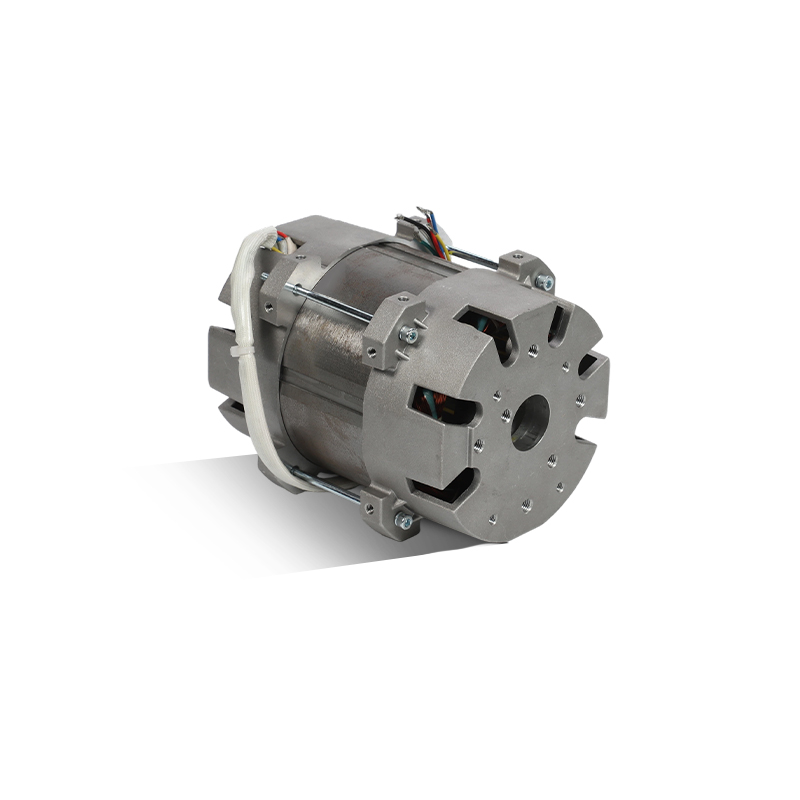 AJAB Sub-Oil B Motor
AJAB Sub-Oil B Motor
AJAB Sub-Oil B Motor
-
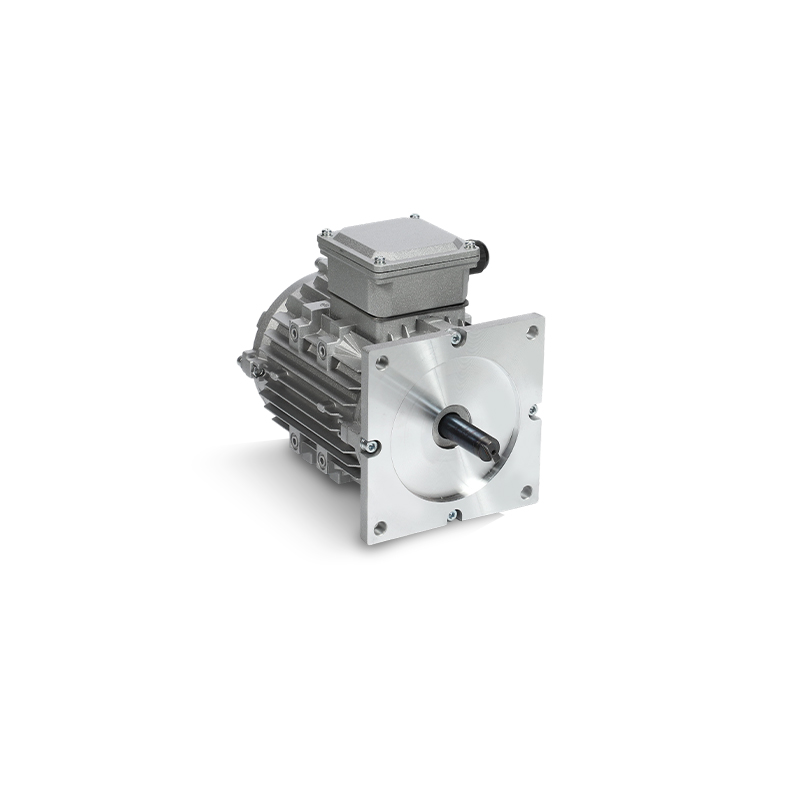 CBAB Three Phase Dock Leveller Motor
CBAB Three Phase Dock Leveller Motor
CBAB Three Phase Dock Leveller Motor
-
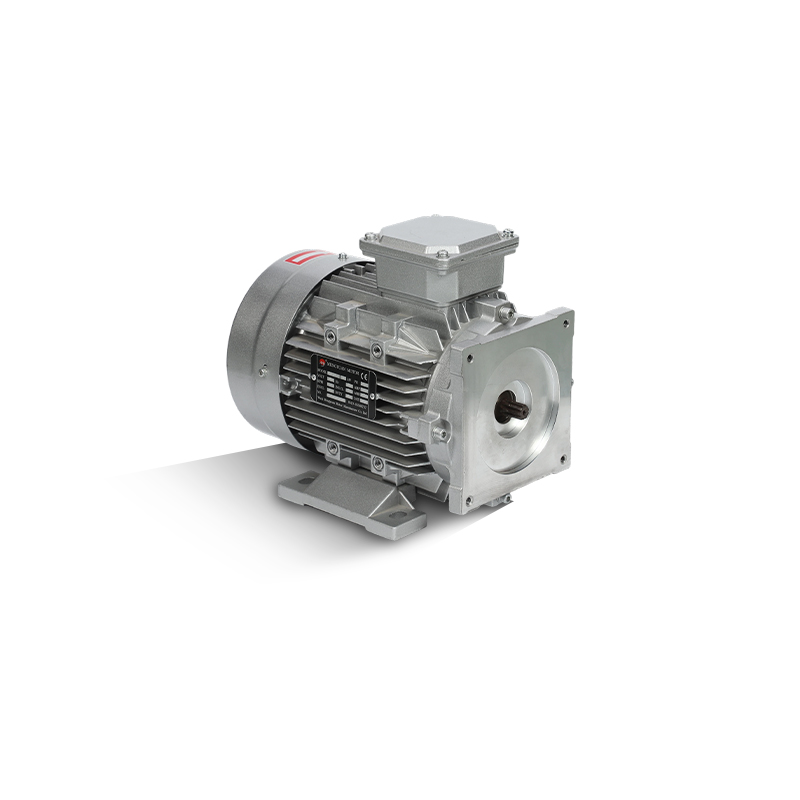 CBBD Hydraulic Power-Pack Motor
CBBD Hydraulic Power-Pack Motor
CBBD Hydraulic Power-Pack Motor
-
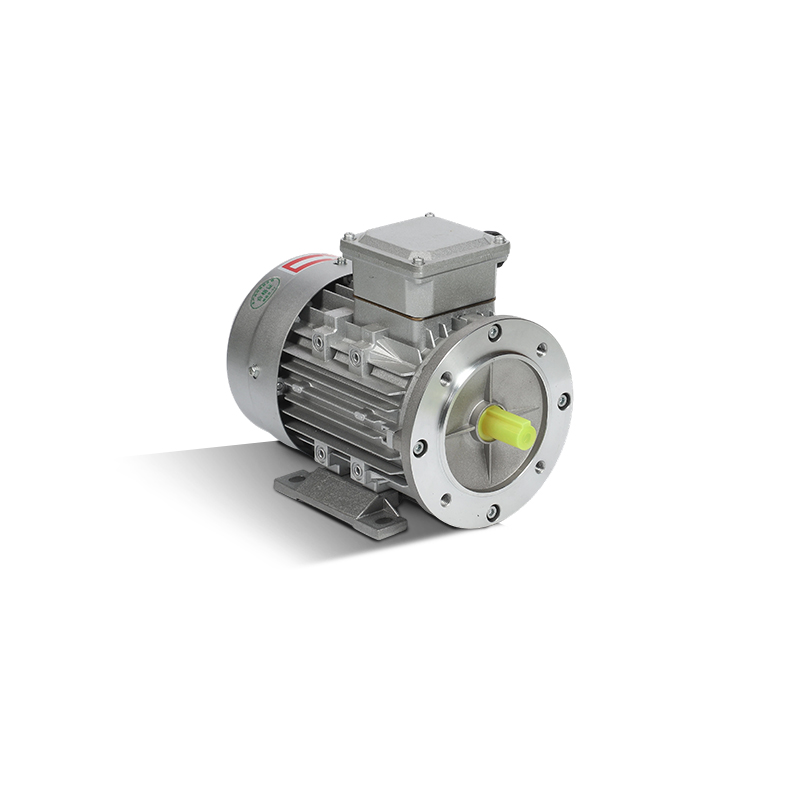 CDBD Aluminum-Cased Motor
CDBD Aluminum-Cased Motor
CDBD Aluminum-Cased Motor
-
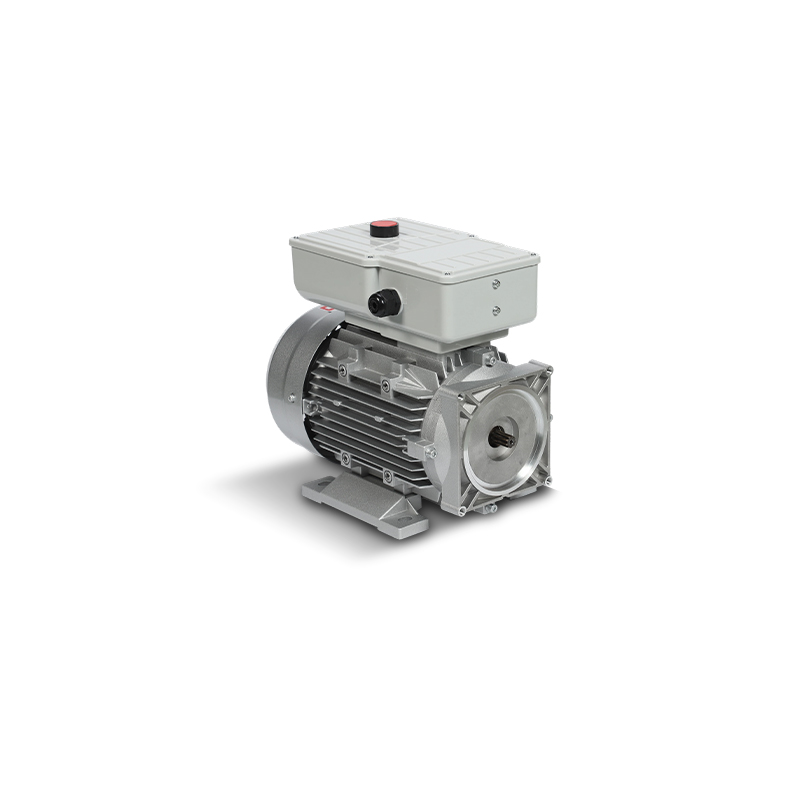 CLBD Car Lift Motor
CLBD Car Lift Motor
CLBD Car Lift Motor
-
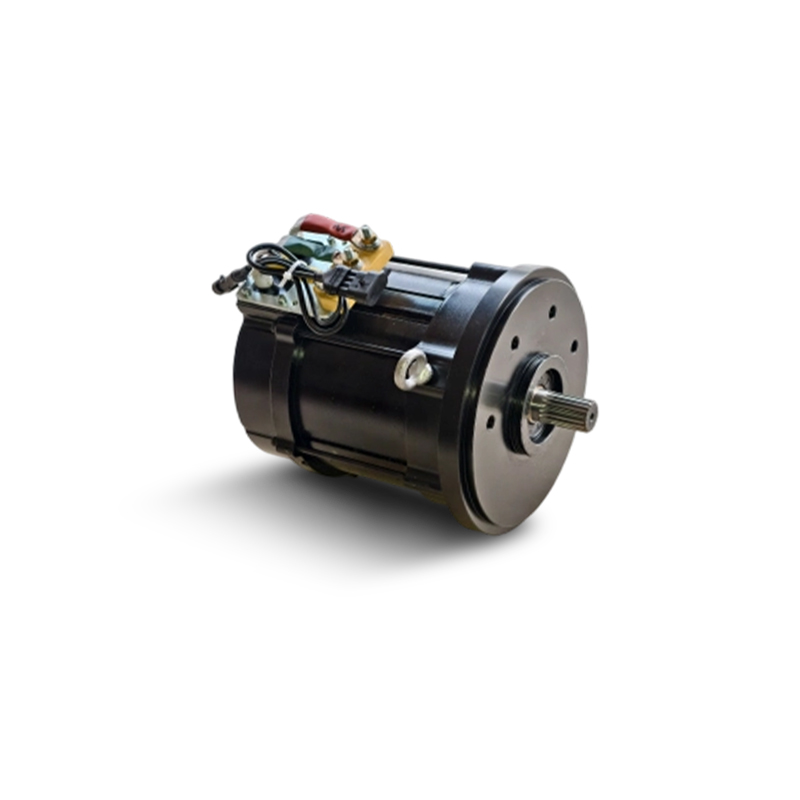 Counter Balance Drive Motor
Counter Balance Drive Motor
Counter Balance Drive Motor
-
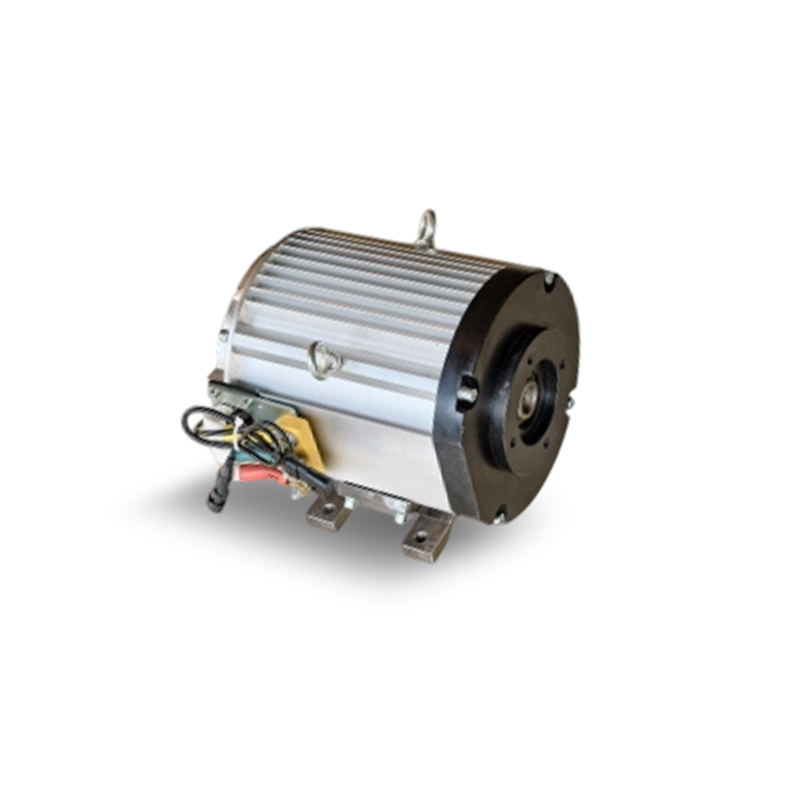 Counter Balance Pump Motor
Counter Balance Pump Motor
Counter Balance Pump Motor
-
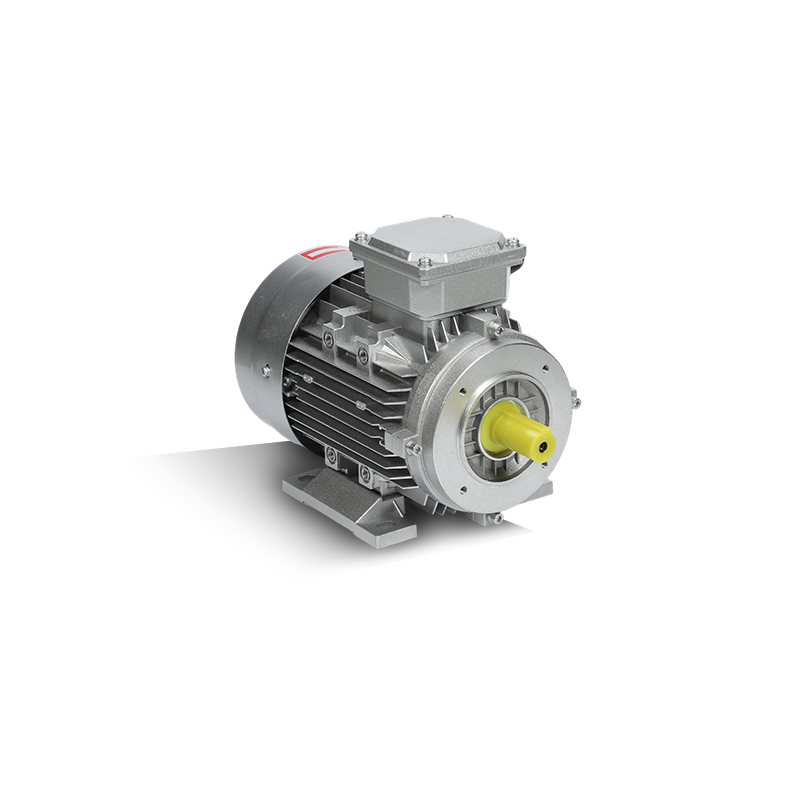 EHBD IE3 Aluminium-Cased Motor
EHBD IE3 Aluminium-Cased Motor
EHBD IE3 Aluminium-Cased Motor
-
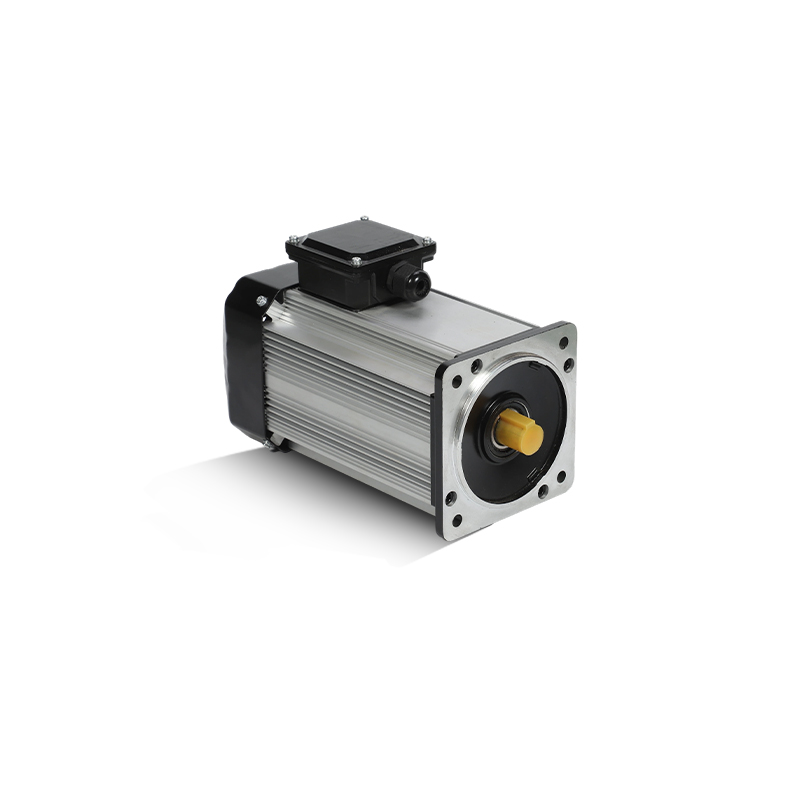 FBBB-Electro-Hydraulic Actuator Motor
FBBB-Electro-Hydraulic Actuator Motor
FBBB-Electro-Hydraulic Actuator Motor
-
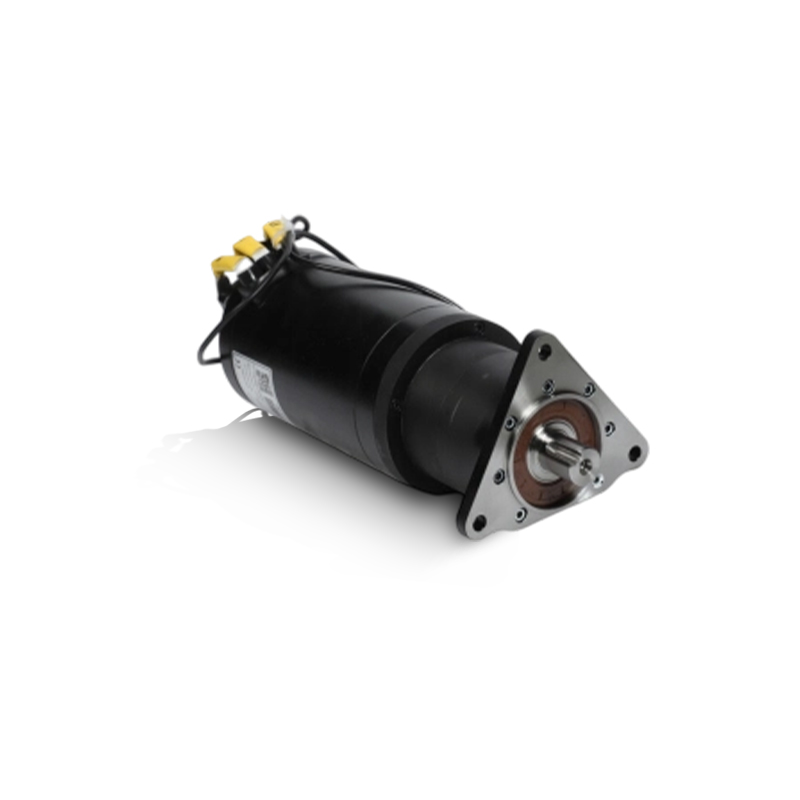 Steering Motor
Steering Motor
Steering Motor
-
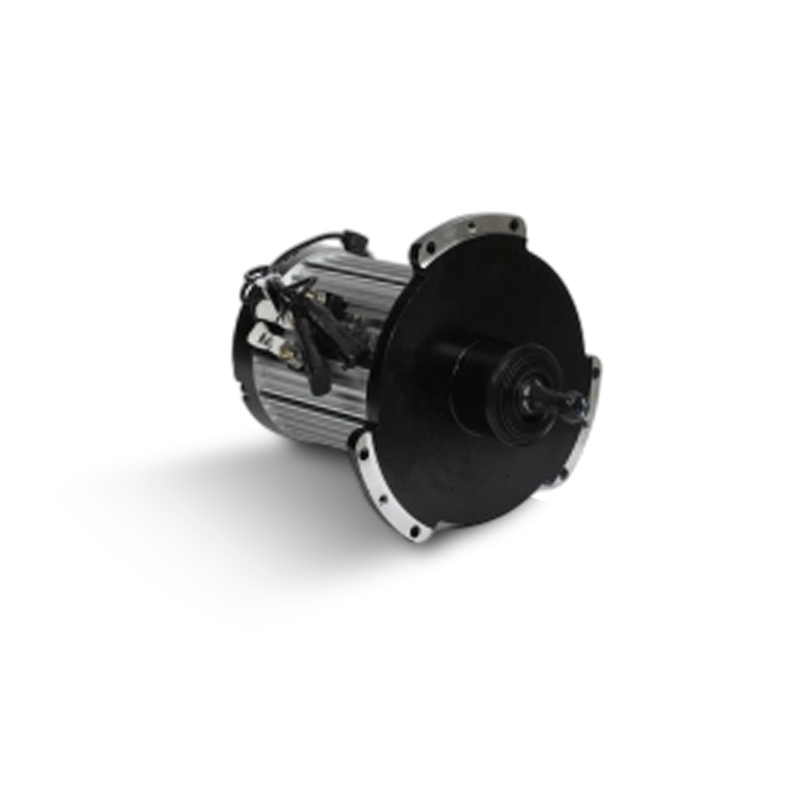 Storage Truck Drive Motor
Storage Truck Drive Motor
Storage Truck Drive Motor
Our Company is China AC Asynchronous Motors Suppliers and AC Asynchronous Motors Manufacturers, Founded in 1997, Mengyang Motor Group specializes in DC, AC, and brushless motor solutions and serves as a professional motor manufacturer for the global market.
Innovation is both our goal and our legacy. We are certified to UL, CE, IATF 16949, and RoHS, delivering stable and reliable quality that meets international standards.
How Do AC Asynchronous Motors Become a Reliable Power Solution for Industrial Equipment?
The Fundamental Advantages of AC Asynchronous Motor Technology
With the continuous advancement of industrial automation, intelligent manufacturing, and mechanical equipment, the demand for reliable motor solutions has continued to grow. AC asynchronous motors, also known as induction motors, remain one of the most widely used motor technologies because of their simple structure, stable operation, strong durability, and excellent adaptability.
The operating principle of an AC asynchronous motor is based on electromagnetic induction. When alternating current is supplied to the stator winding, a rotating magnetic field is generated. This magnetic field induces current in the rotor, creating electromagnetic force that drives the rotor to rotate. Since the rotor speed is slightly lower than the rotating magnetic field speed, the motor operates asynchronously.
This unique working principle gives AC asynchronous motors several practical advantages. Their structure does not require complex mechanical components, which helps reduce maintenance requirements and improves operational reliability. In many applications where continuous operation and stable power output are required, asynchronous motors provide an efficient and economical solution.
AC asynchronous motors are widely used in industrial machinery, pumps, fans, compressors, conveyor systems, HVAC equipment, and various automated production systems. Their ability to operate under different load conditions makes them suitable for diverse working environments.
For equipment development and system integration, motor reliability directly affects overall performance. Selecting an appropriate AC asynchronous motor requires consideration of factors such as power requirements, operating speed, load characteristics, efficiency level, and environmental conditions.
| AC Asynchronous Motor Features | Technical Characteristics | Application Advantages |
| Simple Structure | Fewer mechanical components | Easy maintenance and reliable operation |
| Strong Durability | Robust electromagnetic design | Suitable for long-term operation |
| Wide Application Range | Adaptable to different working conditions | Supports various equipment systems |
| Cost Efficiency | Mature manufacturing technology | Provides practical power solutions |
Why Are Stability and Durability Important Characteristics of AC Asynchronous Motors?
In many industrial applications, motors are expected to operate continuously for long periods under different loads. Therefore, stability and durability are two important factors when evaluating motor performance.
AC asynchronous motors are known for their strong mechanical structure and reliable operation. Since they do not rely on brushes or mechanical commutation systems, they experience less wear during operation compared with some other motor types.
This advantage makes them suitable for applications where frequent maintenance is difficult or where equipment downtime can affect productivity. For example, industrial pumps, ventilation systems, and production machinery often require motors that can maintain stable operation over extended periods.
Another important characteristic is their ability to handle variable loads. During actual operation, equipment may experience changes in workload. A well-designed AC asynchronous motor can adapt to these changes while maintaining dependable performance.
Main Performance Factors of AC Asynchronous Motors
| Performance Factor | Description | Impact on Operation |
| Rated Power | Defines motor output capability | Determines suitable application range |
| Efficiency Level | Measures energy conversion performance | Affects operating cost and heat generation |
| Starting Torque | Indicates startup driving capability | Influences equipment acceleration |
| Protection Design | Improves environmental resistance | Enhances service life |
How Does Jiangsu Mengyang Motor Manufacture Co. Ltd. Support Reliable AC Asynchronous Motor Manufacturing?
Producing dependable AC asynchronous motors requires comprehensive capabilities in motor design, manufacturing processes, and quality management. Factors such as electromagnetic calculation, material selection, precision assembly, and performance testing all influence the final product quality.
Founded in 1997, Jiangsu Mengyang Motor Manufacture Co. Ltd. specializes in the research, development, and production of DC motors, AC motors, and brushless DC motors. With years of experience in motor technology, the company has developed professional capabilities in motor engineering and manufacturing.
The company operates a modern manufacturing facility covering approximately 70,000 m² and has more than 300 employees. Supported by an experienced engineering team and a complete production system, Jiangsu Mengyang Motor Manufacture Co. Ltd. focuses on providing reliable motor solutions with consistent performance.
Through continuous improvement in manufacturing technology and quality management, Jiangsu Mengyang Motor Manufacture Co. Ltd. supports applications requiring efficient, stable, and durable motor performance.
What Technical Factors Should Be Evaluated When Selecting AC Asynchronous Motors for Different Applications?
Understanding Load Characteristics Before Motor Selection
Choosing the correct AC asynchronous motor requires a detailed analysis of the equipment’s operating conditions. Different mechanical systems have different requirements for speed, torque, starting performance, and operating cycles.
One of the most important considerations is load type. Some equipment requires constant torque, while others require variable torque operation. Understanding these differences helps ensure that the selected motor can operate efficiently and reliably.
For example, conveyor systems typically require stable torque output during continuous operation, while pumps and fans often require motors optimized for variable load conditions. Selecting a motor based on actual application requirements can improve energy efficiency and reduce unnecessary stress on the equipment.
| Selection Factor | Explanation | Importance |
| Load Type | Defines mechanical operating characteristics | Ensures proper motor matching |
| Operating Speed | Determines rotation performance | Maintains equipment efficiency |
| Starting Conditions | Evaluates startup requirements | Prevents overload issues |
| Working Environment | Includes temperature, dust, and moisture | Improves motor durability |
How Do Motor Components Influence AC Asynchronous Motor Performance?
The performance of an AC asynchronous motor depends on the coordination of multiple internal components. The stator, rotor, bearings, housing, and insulation system all contribute to motor efficiency and reliability.
The stator is responsible for generating the rotating magnetic field that drives motor operation. The rotor interacts with this magnetic field to produce mechanical output. High-quality materials and precise manufacturing processes help improve electromagnetic efficiency and reduce energy loss.
The bearing system supports smooth rotation and reduces mechanical friction. Meanwhile, the housing structure protects internal components and assists heat dissipation during operation.
Proper component design is especially important for motors operating in demanding environments. Strong insulation materials, durable mechanical structures, and effective cooling designs can improve reliability and extend service life.
Key Components of AC Asynchronous Motors
| Motor Component | Main Function | Quality Requirement |
| Stator Assembly | Generates rotating magnetic field | Requires precise winding and insulation |
| Rotor Assembly | Produces mechanical rotation | Requires balanced structure and durability |
| Bearing System | Supports rotational movement | Requires low friction and reliability |
| Motor Housing | Protects internal structure | Requires strength and heat resistance |
Why Is Energy Efficiency Becoming More Important in AC Asynchronous Motor Applications?
Energy efficiency has become an important consideration in modern equipment design. Since many industrial motors operate continuously, even small improvements in efficiency can significantly influence overall energy consumption.
Modern AC asynchronous motors are designed with improved electromagnetic structures, optimized materials, and advanced manufacturing processes to reduce energy losses.
Efficient motors not only reduce electricity consumption but also generate less heat, which helps improve reliability. Better thermal performance reduces stress on internal components and contributes to longer operating life.
Jiangsu Mengyang Motor Manufacture Co. Ltd. focuses on developing motor products with reliable performance and efficient operation. Through professional engineering capabilities and systematic manufacturing management, the company provides motor solutions designed to meet different application requirements.
How Can Advanced Manufacturing Capabilities Improve the Future Development of AC Asynchronous Motors?
The Importance of Engineering Innovation in Motor Development
The continuous development of industries requires motors with better efficiency, improved reliability, and stronger adaptability. Engineering innovation plays an important role in improving AC asynchronous motor performance.
Modern motor development involves electromagnetic optimization, material improvement, structural design, and intelligent testing methods. These technologies help manufacturers create motors that provide better performance while maintaining durability.
Professional engineering teams can analyze different application conditions and optimize motor parameters according to practical requirements. This approach allows motors to achieve better balance between efficiency, output capability, and operating life.
| Innovation Direction | Technical Improvement | Application Benefit |
| Electromagnetic Optimization | Improves motor efficiency | Reduces energy consumption |
| Material Improvement | Enhances component performance | Extends service life |
| Structural Optimization | Improves cooling and stability | Supports demanding applications |
| Testing Technology | Ensures product consistency | Improves reliability |
Why Does Manufacturing Experience Matter for AC Asynchronous Motor Quality?
Motor manufacturing is a complex process that requires experience in design, production control, and quality inspection. A reliable manufacturing system ensures that motors maintain consistent performance throughout production.
From raw material inspection to final performance testing, every step influences motor reliability. Advanced production equipment and strict quality management help reduce production variation and improve product consistency.
Jiangsu Mengyang Motor Manufacture Co. Ltd. has specialized in motor manufacturing since 1997, focusing on DC motors, AC motors, and brushless DC motors. The company has established a complete system covering engineering development, manufacturing, and delivery.
With a modern manufacturing facility of approximately 70,000 m² and more than 300 employees, Jiangsu Mengyang Motor Manufacture Co. Ltd. combines technical expertise with production capability to provide reliable motor solutions for various industries.
Future Trends of AC Asynchronous Motor Technology
The future development of AC asynchronous motors will focus on improved efficiency, intelligent control, compact design, and stronger environmental adaptability.
As industrial equipment continues becoming more automated and energy-conscious, motors will need to provide higher performance while reducing energy consumption. Through continuous innovation in materials, manufacturing processes, and motor design, AC asynchronous motors will continue to play an important role in modern mechanical systems.
FAQ About AC Asynchronous Motors
Q1: What is an AC asynchronous motor?
An AC asynchronous motor is an induction motor where the rotor speed is slightly different from the rotating magnetic field speed generated by the stator.
Q2: What are the main advantages of AC asynchronous motors?
They offer simple structure, strong durability, reliable operation, wide application range, and cost-effective performance.
Q3: Where are AC asynchronous motors commonly used?
They are widely applied in industrial machinery, pumps, fans, compressors, conveyor systems, and automation equipment.
Q4: What factors should be considered when selecting an AC asynchronous motor?
Important factors include power requirements, load characteristics, operating speed, environmental conditions, and efficiency requirements.
Q5: Why choose Jiangsu Mengyang Motor Manufacture Co. Ltd. for AC asynchronous motors?
Jiangsu Mengyang Motor Manufacture Co. Ltd. has professional motor manufacturing experience, advanced production capabilities, and integrated engineering systems to provide reliable motor solutions.

Copyright © 2026 by Jiangsu Mengyang Motor Manufacture Co. Ltd. Rights Reserved.
