 English
 中文简体
中文简体 русский
 Français
 Español
 عربى
عربى
Starter Overrunning Clutch Suppliers
information to be updated
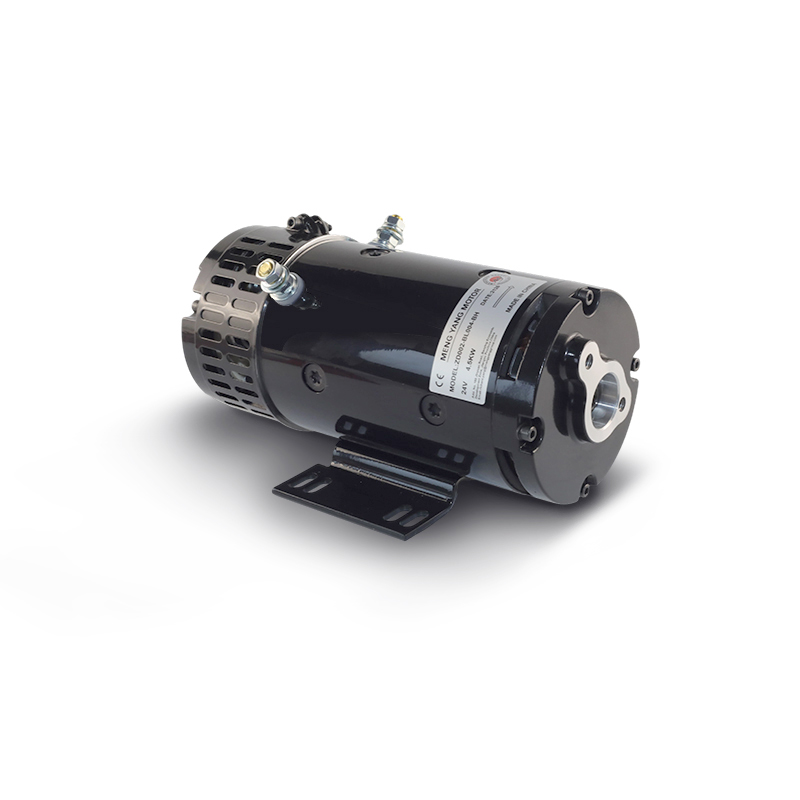
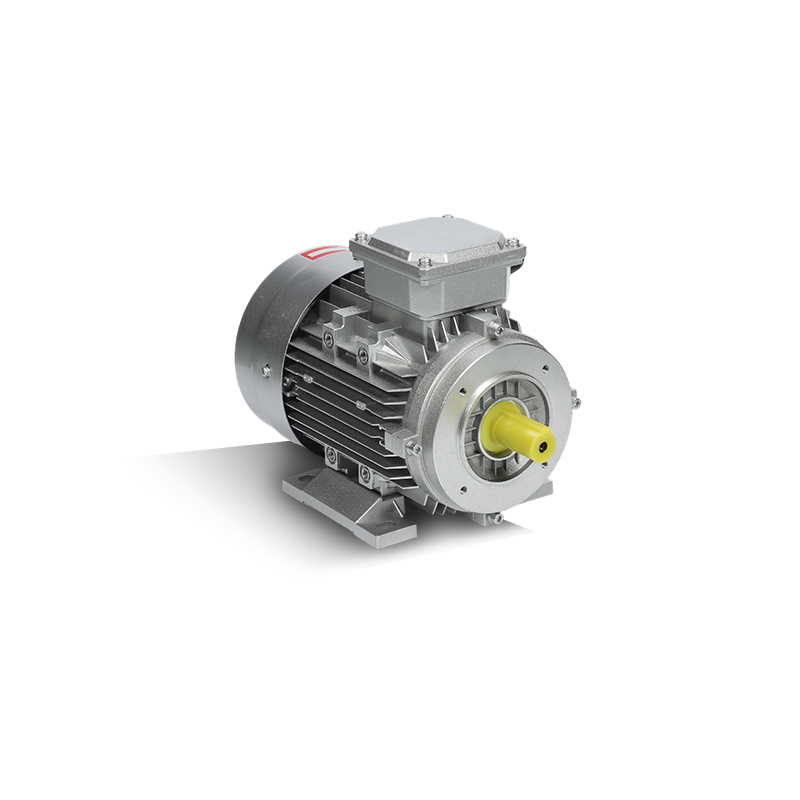
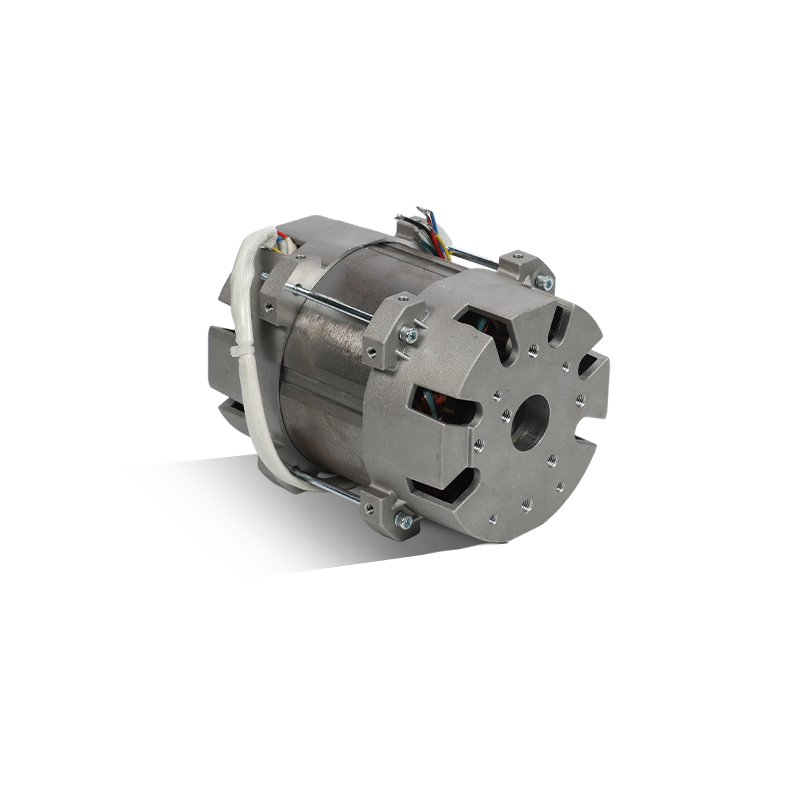
Our Company is China Starter Overrunning Clutch Suppliers and Starter Overrunning Clutch Manufacturers, Founded in 1997, Mengyang Motor Group specializes in DC, AC, and brushless motor solutions and serves as a professional motor manufacturer for the global market.
Innovation is both our goal and our legacy. We are certified to UL, CE, IATF 16949, and RoHS, delivering stable and reliable quality that meets international standards.
What Does an Overrunning Clutch Actually Protect Against Inside a Starter System?
An overrunning clutch, sometimes called a one-way clutch, allows torque to transfer in only one direction. Its core job is to let the starter motor drive the engine's flywheel during cranking, then instantly disengage the moment the engine fires and begins spinning faster than the starter itself. Without this mechanism functioning correctly, the starter motor would be exposed to speeds far beyond its design limits.
Preventing Over-Speed Damage to the Starter Motor
Once an engine starts, flywheel speed can climb rapidly — far faster than a starter motor's armature is designed to rotate. If the clutch fails to disengage cleanly, the starter can be driven at destructive speeds for even a fraction of a second, which is often enough to damage windings, bearings, or the armature shaft itself. Clean, immediate disengagement is therefore just as important to clutch performance as reliable engagement during cranking.
Absorbing Torsional Shock During Engagement
The instant the starter motor engages the flywheel, torque is transmitted through the clutch under a sudden, high-magnitude load. The clutch's internal roller or sprag mechanism must grip firmly and instantly without slipping, since slippage at this stage translates directly into weak or inconsistent cranking performance.
Isolating the Drive Gear from Reverse Torque
In addition to protecting against over-speed, the clutch also isolates the starter drive gear from any momentary reverse torque pulses that can occur during engine start-up, particularly in engines with irregular initial combustion cycles.
Supporting Consistent Drive Gear Engagement
A properly functioning clutch works in coordination with the drive gear and solenoid plunger to ensure smooth meshing with the flywheel ring gear. When the clutch mechanism is worn or poorly manufactured, buyers often see it manifest first as grinding noise or delayed engagement, even though the root cause lies inside the clutch assembly rather than the gear itself.
| Protective Function | What It Prevents | Consequence if It Fails |
|---|---|---|
| Over-Speed Disengagement | Starter motor spinning beyond safe RPM | Winding, bearing, or armature damage |
| Torsional Shock Absorption | Slippage during initial engagement | Weak or inconsistent cranking |
| Reverse Torque Isolation | Damage from irregular combustion pulses | Drive gear or clutch wear |
| Coordinated Gear Engagement | Poor meshing with flywheel ring gear | Grinding noise, delayed start |
How Can You Tell if a Clutch Design Will Hold Up Under Repeated Engagement Cycles?
A starter motor may be engaged thousands of times over a vehicle's service life, and each cycle places repeated mechanical stress on the clutch's internal components. Judging whether a clutch design will hold up long-term requires looking beyond a single engagement test and considering how it performs across a full simulated duty cycle.
Roller or Sprag Mechanism Quality
Most overrunning clutches rely on either a roller-and-cam or sprag-style locking mechanism. The hardness, surface finish, and dimensional precision of these internal components determine how consistently they grip during engagement and release during disengagement, cycle after cycle. Lower-quality components tend to show measurable wear and increased slippage after a relatively small number of cycles.
Lubrication Retention Under Heat
Internal lubrication reduces friction and wear between moving components, but engine bay heat can gradually degrade lower-quality grease formulations. A clutch that retains proper lubrication characteristics across a wide temperature range will maintain smoother, more consistent engagement over its lifespan than one using heat-sensitive lubricant.
Housing and Seal Durability
The outer housing and seals must keep contaminants out while withstanding repeated mechanical shock. Seal degradation allows dirt and moisture to reach internal components, accelerating wear well before the core mechanism would otherwise fail.
Cycle Testing as a Reliability Indicator
The most reliable way to judge long-term durability is through accelerated cycle testing that simulates thousands of engagement and disengagement events under controlled conditions. Suppliers who can share this kind of test data provide a far more meaningful reliability signal than material specifications alone.
| Durability Factor | What to Evaluate | Long-Term Impact |
|---|---|---|
| Roller/Sprag Precision | Hardness, finish, dimensional consistency | Grip consistency over repeated cycles |
| Lubrication Formulation | Heat stability of internal grease | Smooth engagement across temperature range |
| Seal Integrity | Contamination resistance | Prevents accelerated internal wear |
| Cycle Test Data | Simulated long-term engagement testing | Objective measure of expected service life |
What Manufacturing Factors Separate a Reliable Clutch Supplier from an Unreliable One?
Because an overrunning clutch's reliability depends so heavily on internal precision components that are not visible from the outside, the manufacturing process behind the product matters as much as — or more than — the finished specification sheet. Identifying a dependable supplier means looking at how consistently that precision is achieved at scale.
Precision Machining and Assembly Control
The internal rollers, cams, or sprags require tight dimensional tolerances to function correctly across thousands of cycles. Consistent machining precision across production batches — not just in a single sample unit — is what ultimately determines whether buyers see uniform performance across a full order.
Engineering Background Behind the Product
Jiangsu Mengyang Motor Manufacture Co., Ltd., founded in 1997, specializes in the research, development, and production of DC motors, AC motors, and brushless DC motors. This foundation in precision electromechanical manufacturing supports the level of assembly control that overrunning clutch components require, since many of the same tolerance and quality disciplines apply across both product categories.
Integrated Production and Quality Oversight
Working alongside its subsidiary, Wuxi Mengyuan Motor Manufacturing Co., Ltd., the group operates an integrated system covering engineering, manufacturing, and delivery. Keeping these functions under one coordinated structure reduces the inconsistencies that can arise when component design and production are handled by separate, loosely connected parties.
Scale to Support Consistent Batch Quality
The group's 70,000 m² manufacturing facility and workforce of more than 300 employees provide the capacity needed to maintain consistent quality control as order volumes increase, supported by a well-established manufacturing system and quality management framework.
| Supplier Attribute | Why It Matters |
|---|---|
| Machining Precision | Determines consistency of clutch grip and release |
| Engineering Depth | Supports tolerance control across production |
| Integrated Operations | Reduces quality gaps between design and manufacturing |
| Production Scale | Maintains consistency as order volume grows |
Frequently Asked Questions
What are the signs of a failing overrunning clutch?
Common symptoms include grinding noise during cranking, a starter that spins without engaging the engine, or the starter continuing to spin after the engine has already fired.
How is clutch durability tested before large orders are placed?
Accelerated cycle testing that simulates thousands of engagement and disengagement events under controlled conditions is the most reliable way to evaluate long-term durability ahead of volume commitments.
Does Jiangsu Mengyang Motor Manufacture Co., Ltd. produce clutch components in-house?
The company's core expertise in DC, AC, and brushless DC motor manufacturing, combined with its integrated engineering-to-delivery system, supports the precision assembly work required for overrunning clutch production.
Can sample units be requested for evaluation before a bulk order?
Yes, requesting samples for engagement and cycle testing is a practical step for confirming performance and durability before committing to larger volumes.

Copyright © 2026 by Jiangsu Mengyang Motor Manufacture Co. Ltd. Rights Reserved.
