 English
 中文简体
中文简体 русский
 Français
 Español
 عربى
عربى
BOSCH Alternator Suppliers
-
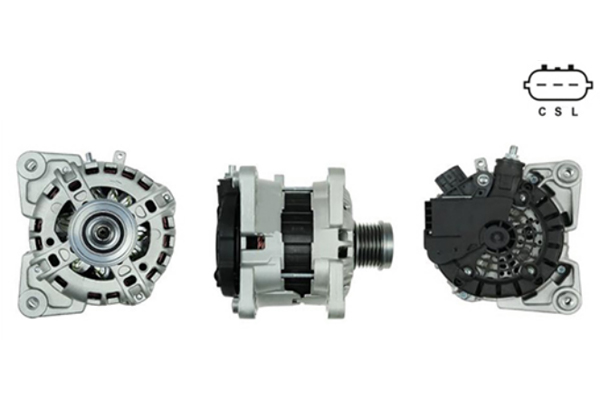 BOSCH Alternator
OEM NO: 23100‑3TS3C, F000BL06J6,F000BL06J5,F000BL0657
ENGINE: —
DESCRIPTION: 120Amp/12 Volt, IR/IF‑6PK/FW
APPLICATION:
NISSAN MAXIMA 2016
NISSAN MURANO 2016
NISSAN TEANA 2016 -
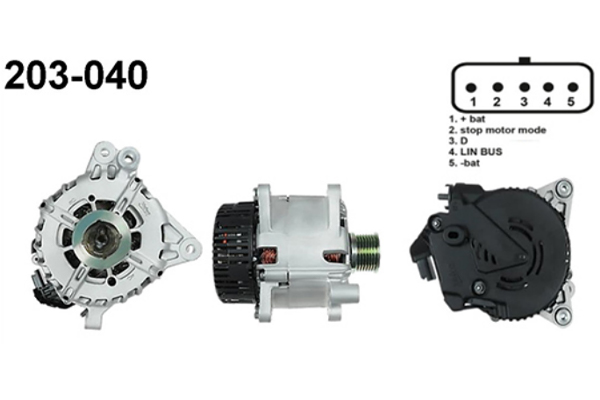 BOSCH Alternator
OEM NO: 2310A‑1VM0A,2614727,2614727B,439870,1ST60C019
ENGINE: MR20DD
DESCRIPTION: 200Amp/12 Volt, IR/IF‑7PK
APPLICATION:
NISSAN SERENA HYBRID C26 2.0 2010 -
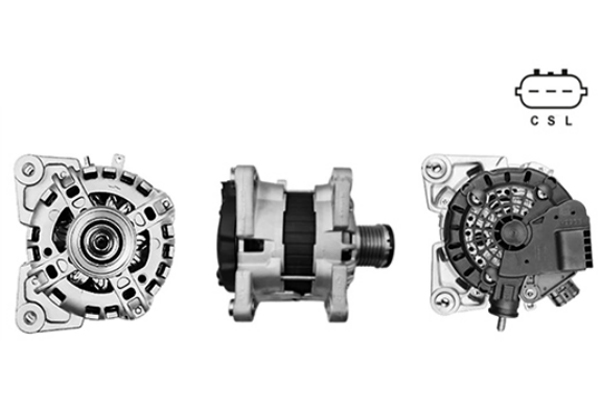 BOSCH Alternator
OEM NO: 23100‑4KV0A, F000BL06Z4,F000BL06X1,F000BL06Z4
ENGINE: —
DESCRIPTION: 120 Amp/12 Volt, IR/IF‑7PK/FW
APPLICATION:
NISSAN NAVARA 2.5L NP300
NISSAN INFINITI Q50 -
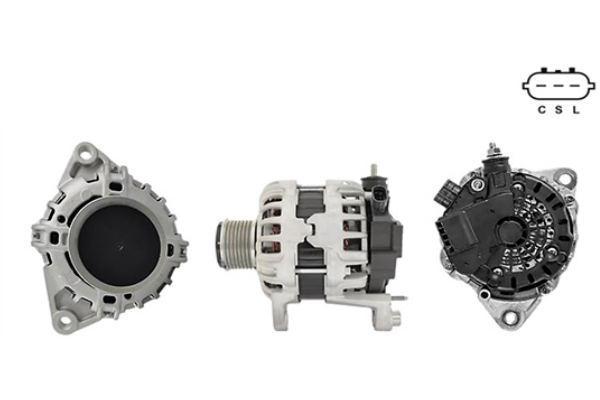 BOSCH Alternator
OEM NO: 23100‑4JM0B, F000BL06Z9
ENGINE: —
DESCRIPTION: 120Amp/12Volt, IR/IF‑7PK/FW
APPLICATION:
NISSAN NAVARA 2.5L NP300 -
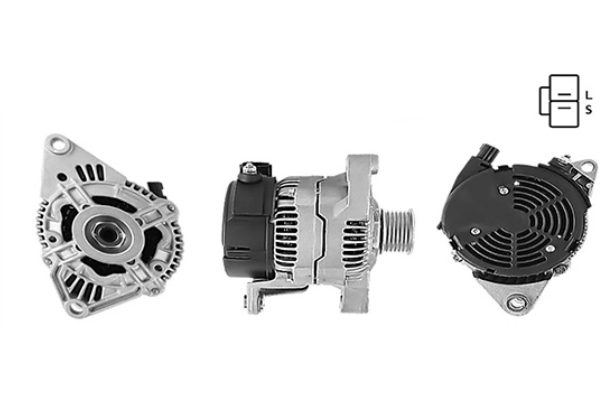 BOSCH Alternator
OEM NO: 23100‑54B62,23100‑0U060,23100‑10S00,23100‑54B61
ENGINE: CG10DE
DESCRIPTION: 75 Amp/12 Volt, IR/IF‑6PK
APPLICATION:
NISSAN SENTRA SUPER SALOON -
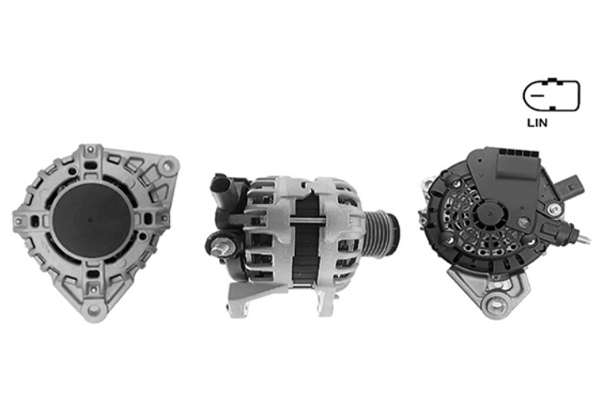 BOSCH Alternator
OEM NO: PW911138,F000BL06AA
ENGINE: S4PE,S4PH
DESCRIPTION: 110 Amp/12 Volt, CW, IR/IF‑6PK/FW
APPLICATION:
PROTON PERSONA, IRIZ -
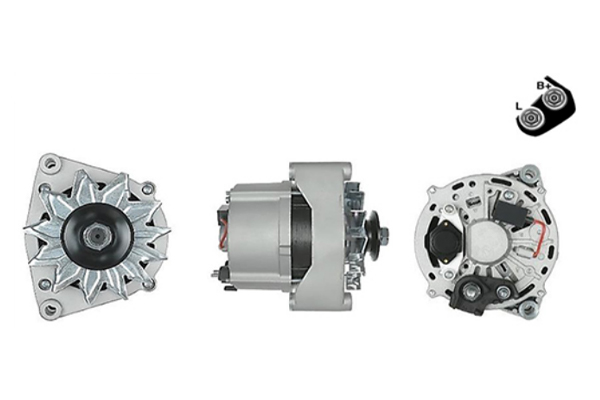 BOSCH Alternator
OEM NO: 0120469588, 0986033140, 0120469590,0120469589
ENGINE: M117.963, M102, 123
DESCRIPTION: 80Amp/12Volt, IR/OF-1V
APPLICATION:
MERCEDES BENZ 190E
MERCEDES BENZ 300SEL
MERCEDES BENZ 280SEL
MERCEDES BENZ 500SEL 5.0L -
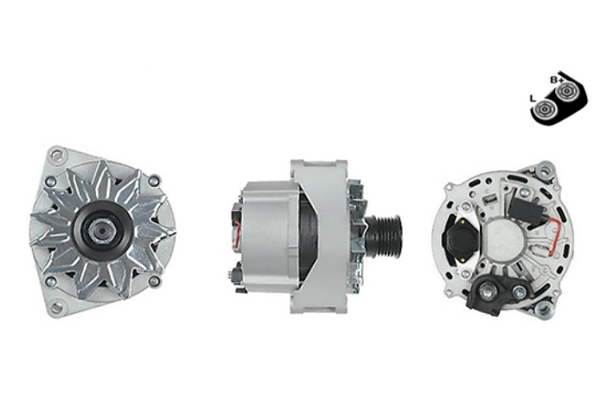 BOSCH Alternator
OEM NO: 0120469928, 0120469811, 0120469745, 0986034020
ENGINE: M103, 201, 124, 126
DESCRIPTION: 80Amp/12 Volt, IR/OF-6PK
APPLICATION:
MERCEDES BENZ 300SEL 2.9L
MERCEDES BENZ 260SE 2.6L
MERCEDES BENZ 210 2.3L -
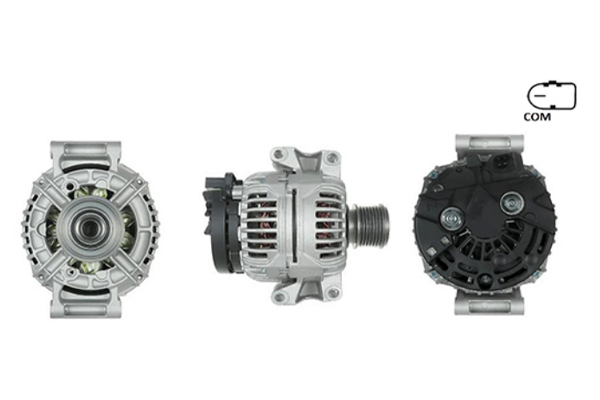 BOSCH Alternator
OEM NO: 0124515088,2711540202,2711540802,2711540202
ENGINE: M271.940, M271.942, M271.921, M271.946
DESCRIPTION: 120 Amp/12 Volt, CW, IR/IF-7PK/FW
APPLICATION:
Mercedes-Europe Car C1601800
Kompressor 2005-2008, C180 1800 2002-2007, C180 2002-2004, C200 1800
Kompressor 2002-2008, C230 1800
Kompressor 2002-2005, CLK200 1800 2002-2006, E200 1800 2006-2010, SLK200 1800 -
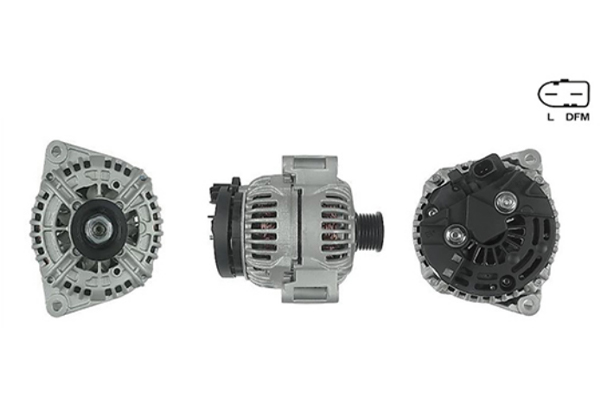 BOSCH Alternator
OEM NO: 0124615012, 0124615044, 0124615047, 0121541302, 0131548202, 0131548502
ENGINE: M113.943, M113.980, M112.913, M113.940
DESCRIPTION: 150 Amp/12 Volt, CW, IR/IF-6PK
APPLICATION:
Mercedes-Europe Car CL500 5000,V8 2001-2006
CLK430 4300 V8 1999-2003,E240 2600,V6 2002-09
E320 3200,2002-2005, E430 4300 1997-2002
E500 5500 2002-2009, E55 5500 AMG 1997-2002 -
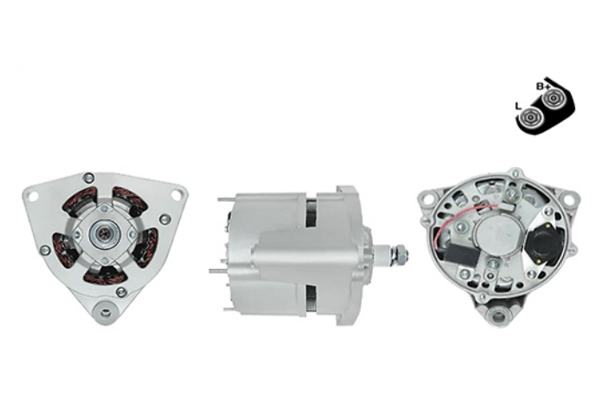 BOSCH Alternator
OEM NO: 0051543302, A0051546002, 0120400712,0120488282
ENGINE: OM314.946, OM314.948, OM314.956
DESCRIPTION: 55Amp/12 Volt, CW,IR/OF-W/OUT PULLEY
APPLICATION:
MERCEDES BENZ ROLLER 1500 5,7,6.0.
MERCEDES BENZ ROLLER 1400 6.0
MERCEDES BENZ ROLLER 1300 5,7,6.0. -
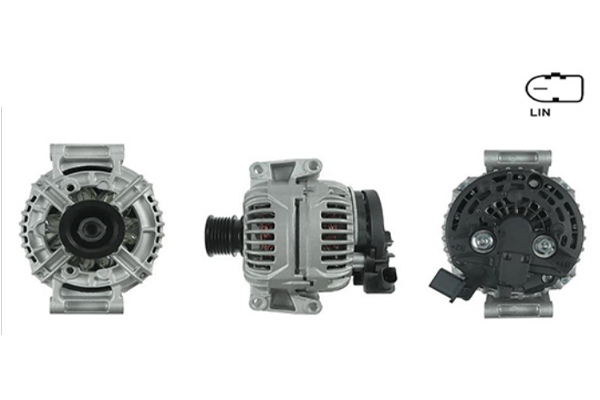 BOSCH Alternator
OEM NO: 0124525054,0124525055,2721540002,A2721540002
ENGINE: M272.920, M272.921, M272.947
DESCRIPTION: 150 Amp/12 Volt, CW, IR/IF-6PK
APPLICATION:
Mercedes-Europe Car C230 2500 2005-2009
C280 300, V6 2005-2012 / C350 3000, V6 07-12
CLK280 3000, V6 05-10 / CLK350 3500,V6 05-10
SLK280 3000, V6 05-10 / SLK350 3500, V6 04-10 -
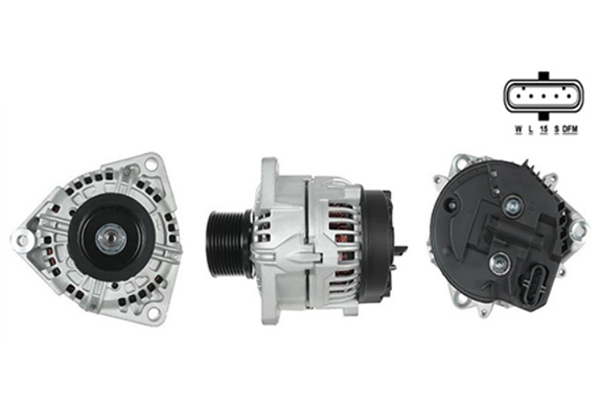 BOSCH Alternator
OEM NO: 0124655097, A0141545402, A0121546702, A0131547902,0131544102,0131544202
ENGINE: OM541.920, OM541.926, OM541.948, OM542.921
DESCRIPTION: 110Amp/24 Volt, IR/IF-9PK
APPLICATION:
MERCEDES BENZ AXOR 1823 6,4, 1823 K 6,4,
1835 LS 1, ATEGO 714 4,2, 714 L 4,2, 717 4,2,7
ACTROS 1831 11,9, 1831 AK 11,9, 1831 -
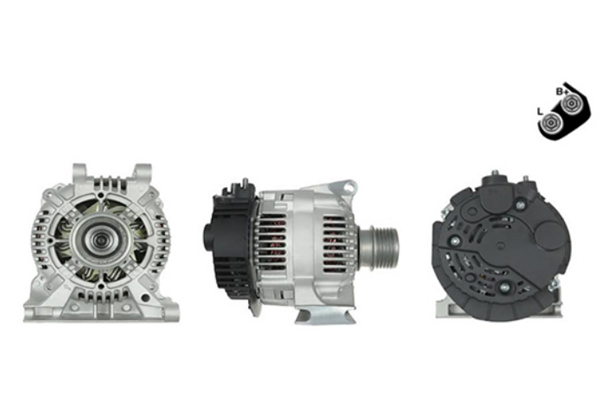 BOSCH Alternator
OEM NO: A0101543902, 2542347, SG9B038,0121544402
ENGINE: OM668.914, OM668.940, OM668.941, M166.995
DESCRIPTION: 90 Amp/12 Volt, IR/IF-5PK/FW
APPLICATION:
MERCEDES BENZ A160 1.7 CDI, A170 1.7 CDI,
MERCEDES BENZ A210 2.0,
MERCEDES BENZ VANEO 1.7 CDI
MERCEDES BENZ VANEO 1.9 -
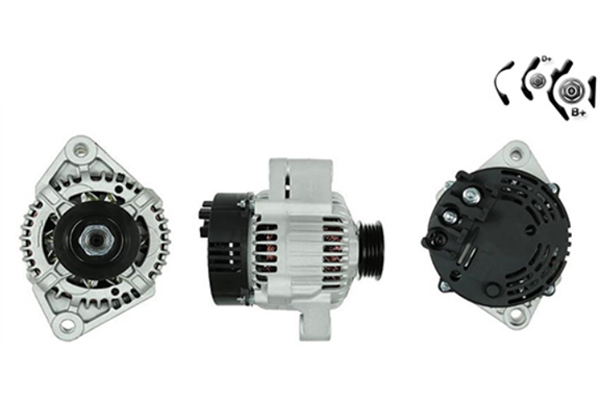 BOSCH Alternator
OEM NO: A1601540101, 0986049131, 1601540201, 63321702
ENGINE: M160E6ALB03, M160E6ALB04, M160E6ALB05
DESCRIPTION: 75Amp/12 Volt, IR/IF-4PK
APPLICATION:
MERCEDES BENZ SMART CAR 0.6L -
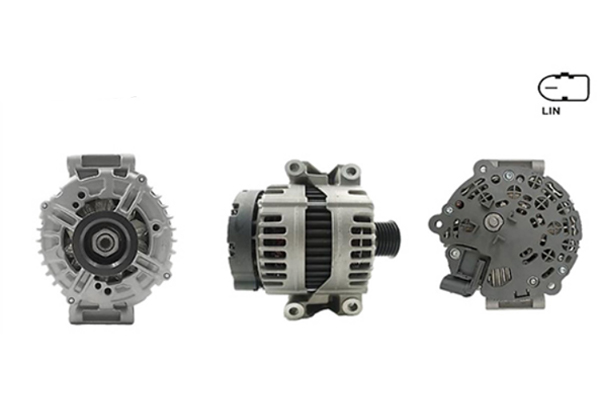 BOSCH Alternator
OEM NO: 0131543502,0986047650,0121715014,0986046670
ENGINE: M272.911, M272.948, M273.961
DESCRIPTION: 180 Amp/12 Volt, IR/IF-6PK
APPLICATION:
MERCEDES BENZ E350 3.5L
MERCEDES BENZ S550 5.5L
MERCEDES GL450 4.6L
MERCEDES BENZ ML350 3.5L -
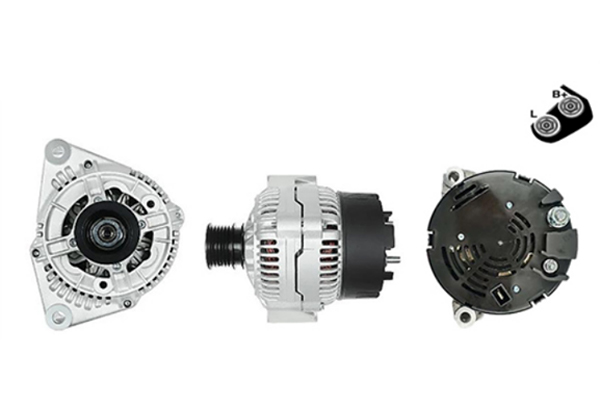 BOSCH Alternator
OEM NO: A0091540202,0123320044,101544602,0091540102
ENGINE: M104.992, M104.996, M104.942, M111.960
DESCRIPTION: 90Amp/12 Volt, IR/IF-6PK
APPLICATION:
MERCEDES BENZ ML230 2.3 (163),G320 3.2 (463)
MERCEDES BENZ E300 3.4 AMG (124)
MERCEDES BENZ C200 2.0 (202)
MERCEDES BENZ C180 1.8 (202) -
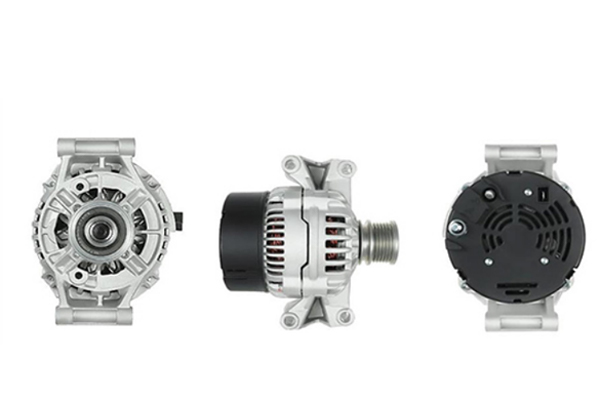 BOSCH Alternator
OEM NO: 0123320065, A0121542202, 0986042520,0986041530
ENGINE: OM611.980, OM611.6M, OM611.981, OM611.960
DESCRIPTION: 90 Amp/12 Volt, IR/IF-6PK/FW
APPLICATION:
MERCEDES BENZ SPRINTER 416 CDI 2.7 (904)
MERCEDES BENZ SPRINTER 416 CDI 2.7 (905)
MERCEDES BENZ VITO 208 CDI 2.2 (601,902)
MERCEDES BENZ VITO 108 2.2 CDI (638) -
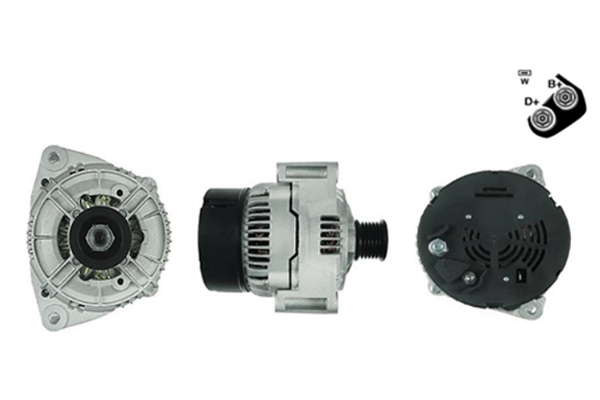 BOSCH Alternator
OEM NO: A0101543202,0123510079,0986039370,0123510081
ENGINE: M112.910,M112.915,M112.920,M112.940/942
DESCRIPTION: 115Amp/12 Volt, IR/IF-6PK
APPLICATION:
MERCEDES BENZ V 230 2.3 / G 500 5.0 (463)
MERCEDES BENZ SL 280 2.8 (129)
MERCEDES BENZ V 200 2.0 (638/2)
MERCEDES BENZ SPRINTER 314 2.3, 4x4 (903) -
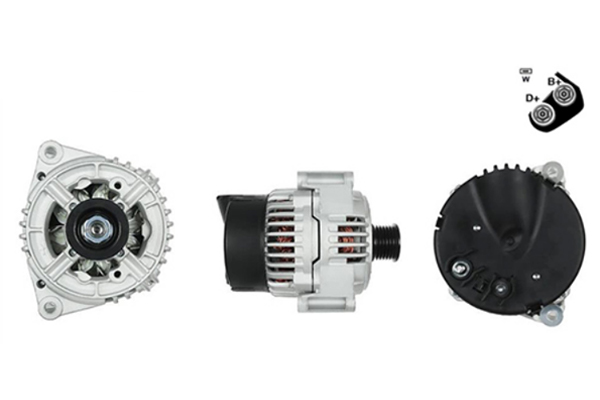 BOSCH Alternator
OEM NO: 0986041550, 0123520017, 0111543202,437653
ENGINE: M133.960, M112.922, M112.944, M113.941
DESCRIPTION: 150 Amp/12 Volt, IR/IF-6PK
APPLICATION:
MERCEDES BENZ S 430 4.3 (220)
MERCEDES BENZ S 320 3.2 (220)
MERCEDES BENZ S 280 2.8 (220)
MERCEDES BENZ CL500 5.2 (215)
Our Company is China BOSCH Alternator Suppliers and BOSCH Alternator Manufacturers, Founded in 1997, Mengyang Motor Group specializes in DC, AC, and brushless motor solutions and serves as a professional motor manufacturer for the global market.
Innovation is both our goal and our legacy. We are certified to UL, CE, IATF 16949, and RoHS, delivering stable and reliable quality that meets international standards.
-
By: Mengyang Motor
 How Can Electric Motor Optimization Improve Performance and Efficiency?
VIEW more
How Can Electric Motor Optimization Improve Performance and Efficiency?
VIEW more
How Does BOSCH Alternator Technology Support Stable Vehicle Power Generation?
The Fundamental Role of Alternators in Automotive Electrical Systems
Modern vehicles rely on increasingly complex electrical systems to support engine control units, lighting systems, sensors, infotainment equipment, safety functions, and various electronic components. While the battery provides initial electrical energy, the alternator becomes the main power source once the engine starts running. Its primary function is to convert mechanical energy from the engine into electrical energy, ensuring continuous power supply and maintaining battery charging efficiency.
BOSCH Alternator products are recognized for their reliable power generation capability, efficient electrical conversion, and durable construction. As vehicle electrical requirements continue increasing, alternators need to provide stable voltage output while operating under different driving conditions, including high-speed operation, frequent load changes, and challenging environments.
A high-performance alternator consists of several important components, including the rotor, stator, rectifier, voltage regulator, pulley system, bearings, and housing. The rotor creates a rotating magnetic field, while the stator generates alternating current through electromagnetic induction. The rectifier converts AC power into DC power, allowing the vehicle electrical system and battery to receive usable energy.
The voltage regulator plays an important role in maintaining stable output voltage. Without proper regulation, electrical components may experience unstable power supply, which could affect system reliability. Therefore, alternator design requires precise coordination between mechanical and electrical components.
For vehicles operating over long distances or under heavy electrical loads, alternator reliability becomes particularly important. Commercial vehicles, transportation equipment, and special-purpose vehicles often require continuous power generation capability. A dependable alternator helps maintain system stability and reduces the risk of electrical failures.
BOSCH Alternator solutions focus on balancing power output, efficiency, and durability. Through optimized design and reliable components, alternators can support the stable operation of vehicle electrical systems while improving overall energy management.
| BOSCH Alternator Characteristics | Technical Features | Application Benefits |
| Stable Power Output | Provides consistent electrical generation | Maintains vehicle electrical system operation |
| Efficient Energy Conversion | Optimized electromagnetic design | Improves power utilization |
| Durable Construction | Strong internal components and protection design | Supports long service life |
| Reliable Voltage Regulation | Maintains stable electrical output | Protects electronic systems |
Why Are Output Efficiency and Durability Important for Alternator Performance?
The performance of an alternator is determined not only by its maximum power output but also by its ability to operate efficiently over extended periods. Vehicles today contain more electronic systems than ever before, creating higher demands on the alternator’s charging capability.
Output efficiency directly affects how effectively mechanical energy is converted into electrical energy. An efficient alternator can provide sufficient power while reducing unnecessary energy losses, helping improve overall vehicle performance.
Durability is another essential factor. Alternators operate continuously whenever the engine is running, meaning internal components must withstand long-term rotation, vibration, temperature changes, and electrical loads. Components such as bearings, windings, and rectifiers must maintain stable performance throughout the service period.
Thermal management also influences alternator reliability. Excessive heat can reduce component lifespan and affect electrical efficiency. Proper ventilation, housing design, and material selection help control operating temperature and improve long-term stability.
When selecting an alternator, it is important to evaluate power requirements, operating environment, installation conditions, and expected service cycles. A properly matched alternator can improve vehicle reliability and reduce maintenance frequency.
| Alternator Performance Factor | Description | Impact on Vehicle Operation |
| Charging Capacity | Defines electrical power generation ability | Supports vehicle electrical demand |
| Voltage Stability | Controls output fluctuations | Protects electronic components |
| Thermal Performance | Manages heat during operation | Improves durability |
| Mechanical Strength | Resists vibration and rotation stress | Extends service life |
How Does Jiangsu Mengyang Motor Manufacture Co. Ltd. Develop Reliable Automotive Motor Solutions?
Manufacturing reliable alternators requires strong capabilities in motor engineering, electrical design, precision production, and quality management. Every component must meet strict requirements to ensure stable performance in practical applications.
Founded in 1997, Jiangsu Mengyang Motor Manufacture Co. Ltd. is a professional motor manufacturer specializing in the research, development, and production of DC motors, AC motors, and brushless DC motors. The company has established a comprehensive system covering engineering development, manufacturing processes, and product delivery.
With a modern manufacturing facility covering approximately 70,000 m² and more than 300 employees, Jiangsu Mengyang Motor Manufacture Co. Ltd. has developed strong production capabilities supported by professional engineering teams and quality management systems.
Through continuous improvement in motor technology and manufacturing processes, Jiangsu Mengyang Motor Manufacture Co. Ltd. focuses on delivering reliable motor products with stable performance, efficient operation, and long-term durability.
What Technical Features Should Be Considered When Choosing BOSCH Alternators for Different Applications?
How Do Vehicle Power Requirements Influence Alternator Selection?
Selecting a suitable alternator requires a detailed understanding of the vehicle’s electrical requirements and operating environment. Different vehicles have different power demands depending on the number of electrical devices, operating conditions, and usage patterns.
Passenger vehicles generally require alternators that provide stable charging performance while maintaining compact dimensions. Commercial vehicles and transportation equipment often require higher output capability because they may operate with additional lighting systems, control equipment, refrigeration units, or other electrical loads.
The electrical demand of modern vehicles continues increasing due to advanced electronic systems. Therefore, alternators must provide sufficient output capacity while maintaining stable voltage regulation.
Operating conditions also influence alternator selection. Vehicles used in extreme temperatures or demanding environments require alternators with strong thermal management and durable construction.
| Selection Consideration | Main Evaluation | Importance |
| Power Requirement | Matches electrical load demand | Ensures sufficient energy supply |
| Operating Environment | Includes temperature and vibration conditions | Affects reliability |
| Installation Space | Determines alternator dimensions | Supports proper integration |
| Duty Cycle | Defines working intensity | Influences durability requirements |
How Do Alternator Components Affect Charging Performance?
An alternator is a precision electromechanical system where each component influences the overall charging performance. The quality of internal components determines efficiency, reliability, and service life.
The rotor creates the magnetic field necessary for electricity generation. Its design affects magnetic efficiency and power output.
The stator contains windings that generate alternating current. High-quality winding design improves electrical efficiency and reduces energy loss.
The rectifier converts AC electricity into DC electricity suitable for vehicle systems. Reliable rectifier performance helps maintain stable charging.
The voltage regulator controls output voltage according to electrical demand. Accurate regulation protects sensitive electronic components and improves system stability.
Main Alternator Components
| Component | Function | Performance Influence |
| Rotor | Creates rotating magnetic field | Affects power generation efficiency |
| Stator | Generates electrical current | Determines output capability |
| Rectifier | Converts AC into DC power | Ensures usable electrical output |
| Voltage Regulator | Controls charging voltage | Protects electrical systems |
Why Is Manufacturing Precision Important for Alternator Reliability?
Alternators operate continuously during vehicle operation, making manufacturing accuracy essential. Small differences in component dimensions, assembly precision, or material quality can influence efficiency, noise, vibration, and operating life.
Professional alternator manufacturing requires strict control over electrical testing, mechanical assembly, and performance verification. These processes ensure stable quality and consistent operation.
Jiangsu Mengyang Motor Manufacture Co. Ltd. integrates engineering experience with modern manufacturing systems to support reliable motor production. Through professional processes and continuous improvement, the company provides motor solutions designed for demanding applications.
How Can Advanced Alternator Manufacturing Improve Future Vehicle Energy Management?
Why Are High-Efficiency Alternators Becoming More Important?
The automotive industry is moving toward higher energy efficiency, intelligent control systems, and improved electrical performance. These trends are creating new requirements for alternator technology.
Modern vehicles require alternators that can provide greater electrical output while maintaining compact size and efficient operation. Improvements in electromagnetic design, lightweight materials, and thermal management technologies help achieve better performance.
Energy-efficient alternators can reduce unnecessary mechanical losses and improve the overall efficiency of vehicle systems. This is especially valuable for vehicles with increasing electrical loads.
| Technology Development Trend | Improvement Method | Application Benefit |
| Efficiency Enhancement | Optimized electromagnetic structure | Improves energy conversion |
| Lightweight Design | Uses advanced materials | Reduces system load |
| Thermal Optimization | Improves heat dissipation | Enhances reliability |
| Smart Control | Improves voltage management | Supports advanced electrical systems |
Why Does Jiangsu Mengyang Motor Manufacture Co. Ltd. Have Advantages in Motor Manufacturing?
Automotive motor manufacturing requires comprehensive knowledge of electrical engineering, mechanical design, production technology, and quality control. Manufacturers with strong experience can better develop products that meet different application requirements.
Since 1997, Jiangsu Mengyang Motor Manufacture Co. Ltd. has focused on motor research and manufacturing. The company specializes in DC motors, AC motors, and brushless DC motors, supported by professional engineering capabilities and integrated manufacturing systems.
With a production facility of approximately 70,000 m² and more than 300 employees, Jiangsu Mengyang Motor Manufacture Co. Ltd. continues improving its technology and manufacturing capabilities.
Through innovation, quality management, and engineering expertise, the company provides reliable motor products designed for stable operation and long-term performance.
Future Development Trends of Automotive Alternator Technology
Future alternator development will focus on higher efficiency, stronger durability, compact structures, and improved compatibility with intelligent vehicle systems.
As vehicles become more electrified, alternators will continue playing an important role in maintaining stable energy supply. Advanced manufacturing technology will help create more efficient and reliable alternator solutions.
FAQ About BOSCH Alternators
Q1: What is a BOSCH Alternator?
A BOSCH Alternator is an automotive power generation component that converts mechanical energy from the engine into electrical energy.
Q2: What are the main advantages of BOSCH Alternators?
They provide stable power generation, efficient energy conversion, reliable voltage control, and durable operation.
Q3: Where are alternators commonly used?
Alternators are widely used in passenger vehicles, commercial vehicles, transportation equipment, and various automotive systems.
Q4: What factors should be considered when selecting an alternator?
Important factors include power output, voltage requirements, operating environment, installation conditions, and duty cycle.
Q5: Why choose Jiangsu Mengyang Motor Manufacture Co. Ltd. for motor solutions?
Jiangsu Mengyang Motor Manufacture Co. Ltd. has professional motor manufacturing experience, advanced production capabilities, and complete engineering systems to provide reliable motor products.

Copyright © 2026 by Jiangsu Mengyang Motor Manufacture Co. Ltd. Rights Reserved.
