 English
 中文简体
中文简体 русский
 Français
 Español
 عربى
عربى
Starter Assembly Kit Suppliers
information to be updated
Our Company is China Starter Assembly Kit Suppliers and Starter Assembly Kit Manufacturers, Founded in 1997, Mengyang Motor Group specializes in DC, AC, and brushless motor solutions and serves as a professional motor manufacturer for the global market.
Innovation is both our goal and our legacy. We are certified to UL, CE, IATF 16949, and RoHS, delivering stable and reliable quality that meets international standards.
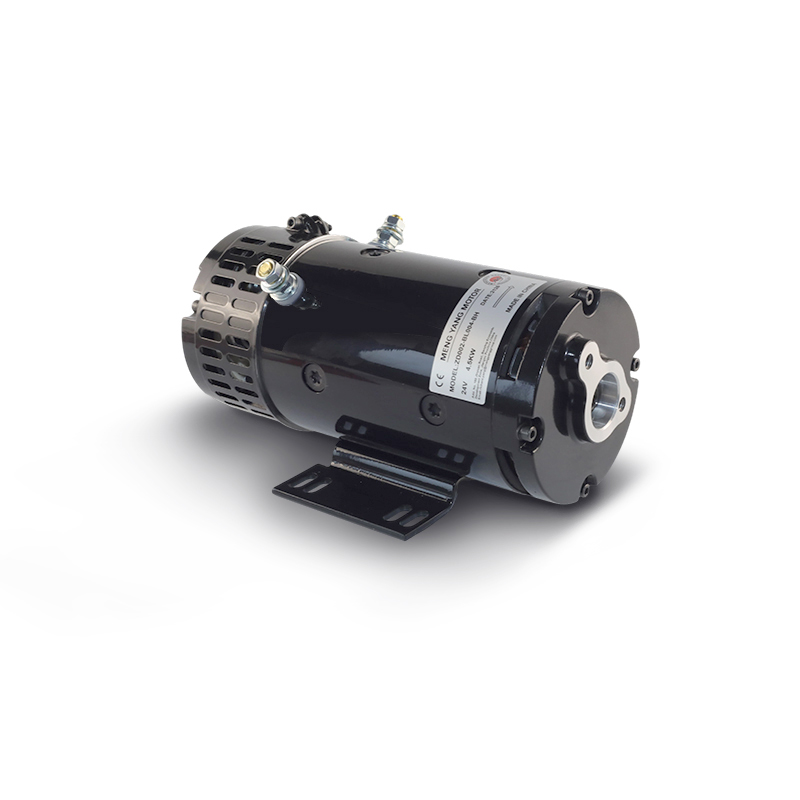
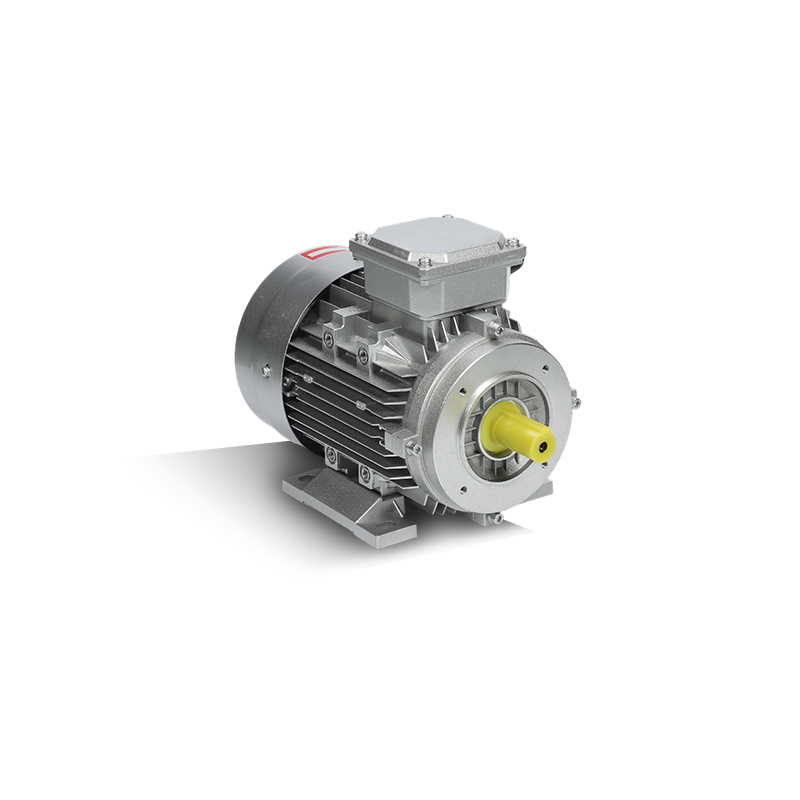
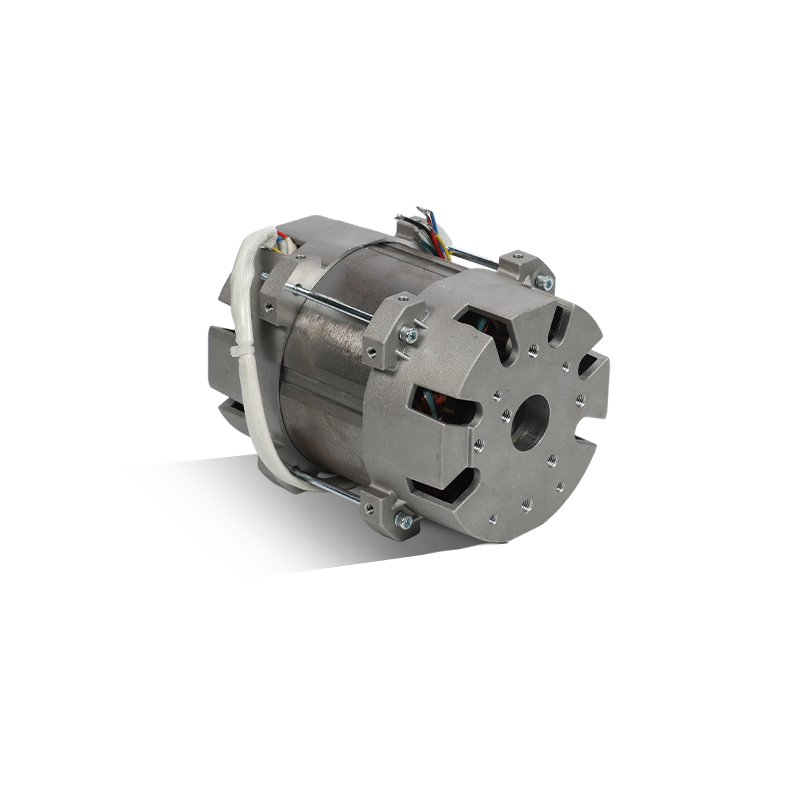
A starter assembly kit brings together several precision components — armature, solenoid, overrunning clutch, drive gear, and housing — into a single, coordinated system. Because these parts must work together seamlessly, kit quality depends as much on how well the components are matched to one another as on the quality of any single part.
Core Components That Determine Starter Assembly Kit Performance
A starter assembly kit is only as reliable as the weakest component within it, which is why understanding how each part contributes to overall system performance matters when evaluating kit quality. Rather than assessing components in isolation, experienced buyers look at how well the parts are engineered to work as a coordinated system.
Armature and Field Winding Interaction
The armature generates the rotational force needed for cranking, but its output must be matched to the field winding's magnetic strength for the motor to reach its intended torque and speed characteristics. A mismatch between armature and field coil specifications — even within a single kit — can result in weaker cranking performance or excessive heat generation.
Solenoid and Drive Engagement Timing
The solenoid controls both the electrical circuit and the mechanical movement that pushes the drive gear into engagement with the flywheel. Precise timing coordination between solenoid plunger travel and drive gear movement is essential — if the gear engages even slightly out of sync with full electrical contact, the result is grinding noise, delayed starts, or accelerated gear wear.
Overrunning Clutch as the Protective Link
As covered in dedicated discussions of clutch design, the overrunning clutch protects the armature from over-speed damage once the engine fires. Within a kit, its performance must be matched to the torque characteristics of the armature and the engagement speed of the drive gear it's paired with.
Housing and Bushing Alignment
The housing and internal bushings maintain shaft alignment throughout the assembly. Poor alignment tolerances introduce friction and uneven wear across the armature shaft, clutch, and drive gear — often manifesting as reduced service life even when each individual component would otherwise meet specification on its own.
| Kit Component | Primary Role | Risk if Poorly Matched |
|---|---|---|
| Armature & Field Winding | Generates cranking torque | Weak output, excess heat |
| Solenoid & Drive Gear | Controls engagement timing | Grinding, delayed start, gear wear |
| Overrunning Clutch | Protects motor from over-speed | Motor damage, inconsistent cranking |
| Housing & Bushings | Maintains shaft alignment | Uneven wear, shortened service life |
Compatibility Standards for Cross-Platform Starter Assembly Kits
Because starter assembly kits are often sourced to cover multiple vehicle platforms within a single product line or catalog, compatibility standards play a central role in how confidently buyers can consolidate their sourcing without introducing fitment risk across their customer base.
Dimensional and Electrical Baseline Matching
Shaft length, mounting bolt patterns, voltage rating, and terminal configuration must align with the specific platform a kit is intended to serve. Even kits marketed as broadly compatible should be validated against actual OE dimensional data rather than general part-family assumptions.
Performance Consistency Across Kit Variants
When a single kit design is adapted to cover several related platforms, performance characteristics — torque output, engagement speed, current draw — should remain within a consistent, documented range across all variants. Significant performance drift between variants often signals that a kit has been adapted without sufficient re-validation.
Reference Standards Used for Cross-Checking
Industry-recognized reference specifications, including those historically associated with major original equipment brands, are commonly used as informal benchmarks when validating whether a new kit design meets expected dimensional and performance tolerances.
Documentation Supporting Multi-Platform Sourcing
Clear cross-reference documentation — showing exactly which platforms a given kit configuration supports — reduces the risk of catalog errors and helps downstream buyers select the correct kit with confidence, minimizing returns caused by fitment mistakes.
| Compatibility Element | What to Confirm | Consequence of Oversight |
|---|---|---|
| Dimensional Baseline | Shaft length, bolt pattern, terminals | Fitment failure on installation |
| Performance Range | Consistent torque and current draw across variants | Inconsistent field performance |
| Reference Benchmarking | Comparison against recognized OE specifications | Undetected design drift |
| Cross-Reference Documentation | Clear platform-to-kit mapping | Catalog errors, increased returns |
Quality Control Practices Behind Reliable Kit Manufacturing
Because a starter assembly kit combines multiple precision-manufactured components, quality control cannot be limited to inspecting each part individually — it must also verify how those parts perform once assembled together as a complete system.
Component-Level Inspection Before Assembly
Each part entering final assembly — armature, solenoid, clutch, housing — should pass its own dimensional and electrical inspection before being paired with the rest of the kit. Catching a defective component at this stage prevents it from being built into a finished kit that would later fail testing or, worse, field use.
Full-Kit Functional Testing
Assembled-kit testing — verifying cranking torque, current draw, and engagement timing as a complete unit — catches interaction issues between components that individual part inspection alone would miss. This step is one of the clearest indicators of a manufacturer's genuine quality discipline versus one that simply assembles pre-tested parts without further verification.
Batch Traceability Across Kit Components
Because a kit combines multiple manufactured parts, traceability records should link each component within a kit back to its production batch, allowing precise root-cause analysis if a quality issue emerges after shipment.
Manufacturing Foundation Behind Consistent Kit Quality
Jiangsu Mengyang Motor Manufacture Co., Ltd., founded in 1997, specializes in the research, development, and production of DC motors, AC motors, and brushless DC motors, giving it engineering oversight across the core components that make up a starter assembly kit. Together with its subsidiary, Wuxi Mengyuan Motor Manufacturing Co., Ltd., the group operates an integrated system covering engineering, manufacturing, and delivery, supported by a 70,000 m² facility, a workforce of more than 300 employees, and a well-established quality management framework.
| Quality Control Stage | Purpose |
|---|---|
| Component Inspection | Catches defects before final assembly |
| Full-Kit Functional Testing | Verifies component interaction as a complete system |
| Batch Traceability | Enables root-cause analysis across kit components |
| Integrated Engineering Oversight | Maintains consistency from design through delivery |
Frequently Asked Questions
Why does armature-solenoid matching matter within a single kit?
Because the two components must work in coordinated timing and output range; a mismatch can lead to weaker cranking performance or premature wear, even if each part meets its own individual specification.
How can buyers confirm a kit is compatible with multiple platforms?
By reviewing dimensional and electrical cross-reference documentation and, where possible, requesting sample testing against actual OE data rather than relying on general part-family assumptions.
Does full-kit testing add meaningful value beyond individual component inspection?
Yes. Full-kit functional testing identifies interaction issues between components — such as engagement timing mismatches — that testing individual parts in isolation would not reveal.
What is Jiangsu Mengyang Motor Manufacture Co., Ltd.'s role in kit manufacturing?
The company applies its engineering background in DC, AC, and brushless DC motor production, combined with an integrated manufacturing and quality system, to support consistent starter assembly kit production at scale.

Copyright © 2026 by Jiangsu Mengyang Motor Manufacture Co. Ltd. Rights Reserved.
