 English
 中文简体
中文简体 русский
 Français
 Español
 عربى
عربى
HITACHI Alternator Suppliers
-
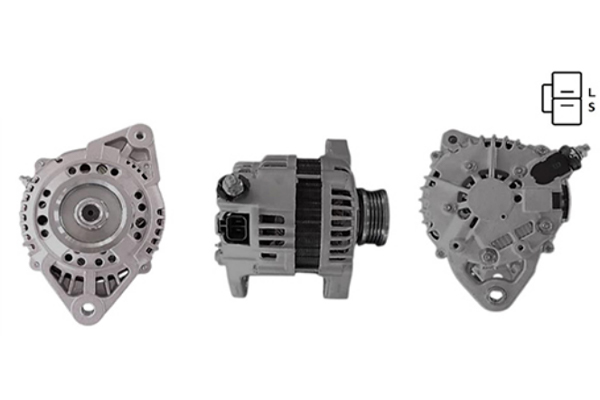 HITACHI Alternator
OEM NO: 23100‑70F00,LR180‑742,LR180‑761,23100‑VH300
ENGINE: KA24DE
DESCRIPTION: 85 Amp/12 Volt, CW, IR/IF‑4PK
APPLICATION:
NISSAN CAR 240SX L4 2.4L 2389CC 1995‑1998 -
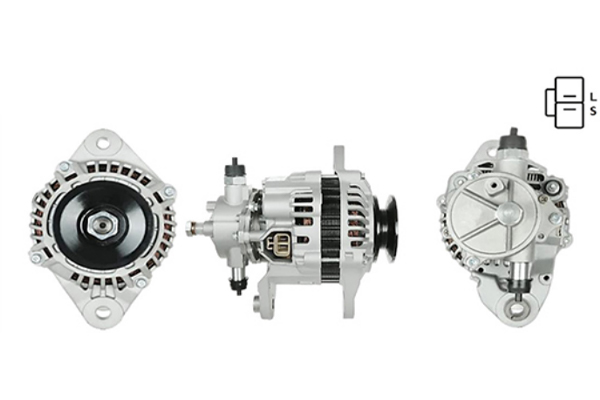 MITSUBISHI Alternator
OEM NO: 23100‑0T060,A3TB5082,A2T75282,A2TN5282J
ENGINE: FD46
DESCRIPTION: 35 Amp/24 Volt, IR/IF‑1V
APPLICATION:
NISSAN YU41,
MAZDA T3500 1992, MAZDA T4000 1992 -
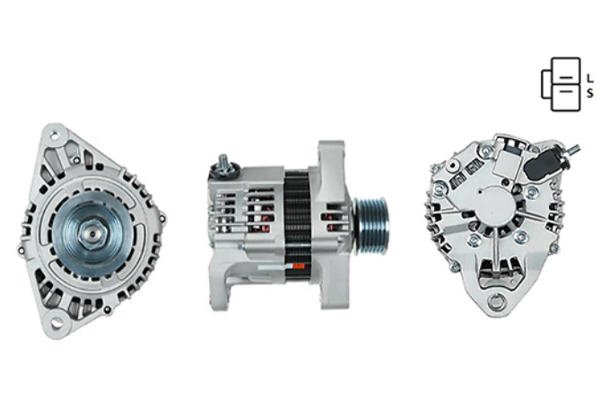 HITACHI Alternator
OEM NO: LR1100‑723, LR1100‑723R, 23100‑4M800
ENGINE: SR20DE
DESCRIPTION: 100 Amp/12 Volt, CW, IR/IF‑6PK
APPLICATION:
NISSAN SENTRA L4 2.0L 1998CC 122CID 2000‑2001 -
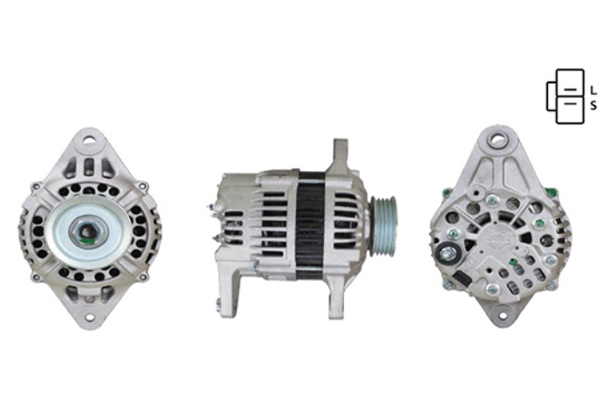 HITACHI Alternator
OEM NO: LR160‑715, 23100‑53A00,A5T41592,A5T41592B
ENGINE: GA16i, E16S, E10S, E13S, E15S, E16i
DESCRIPTION: 60 Amp/12 Volt, CW,IR/IF‑4PK
APPLICATION:
NISSAN CAR PULSAR NX L4 1.6L 1597CC 1988
PULSAR NX L4 1.6L 1597CC SOHC 1987
SENTRA L4 1.6L 1597CC 1987‑1988 -
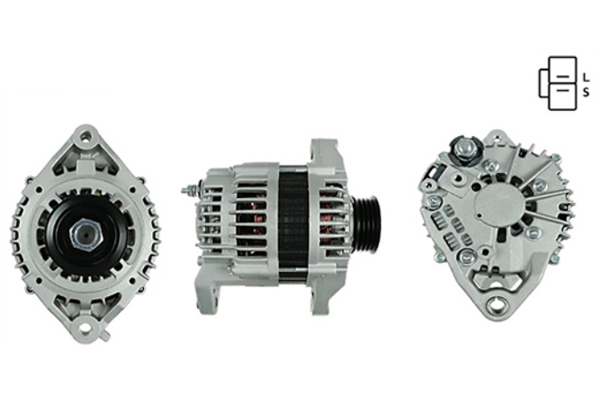 HITACHI Alternator
OEM NO: 23100‑0M003,23100‑4M400,LR170‑746,LR170‑719
ENGINE: GA14DE, GA16DE
DESCRIPTION: 70Amp/12Volt, IR/IF‑4PK
APPLICATION:
NISSAN SUNNY 1.6
NISSAN PRIMERA 1.6i
NISSAN ALMERA 1.4 (N15) -
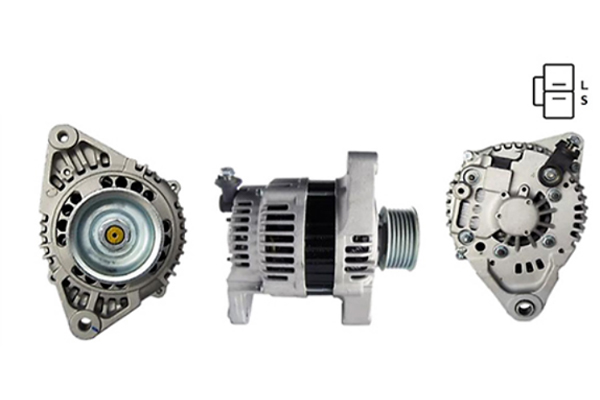 HITACHI Alternator
OEM NO: 23100‑64J00,23100‑64J01,23100‑64J03,23100‑6J111
ENGINE: SR18,SR20
DESCRIPTION: 90 Amp/12 Volt, IR/IF‑6PK
APPLICATION:
NISSAN SERENA 1.6 90A INF
NISSAN 100NX 2.0 1990‑1993 -
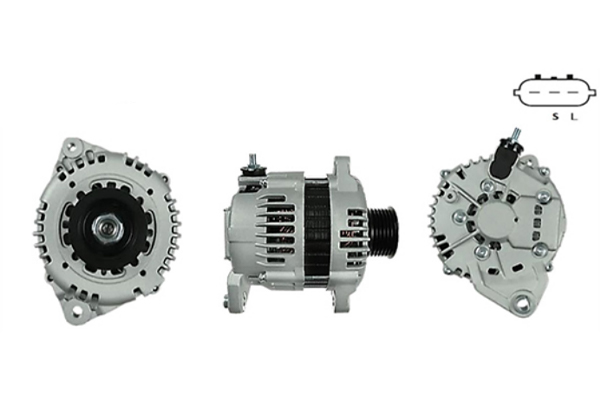 HITACHI Alternator
OEM NO: 23100‑31U00, 23100‑2Y005, LR1100‑703, 23100‑2Y900,23100‑L700,23100‑2Y900
ENGINE: VQ20DE,VQ25DE,VQ30DE
DESCRIPTION: 100 Amp/12 Volt, IR/IF‑6PK
APPLICATION:
NISSAN MAXIMA 2.0 V6 (A33) 2000‑2003 -
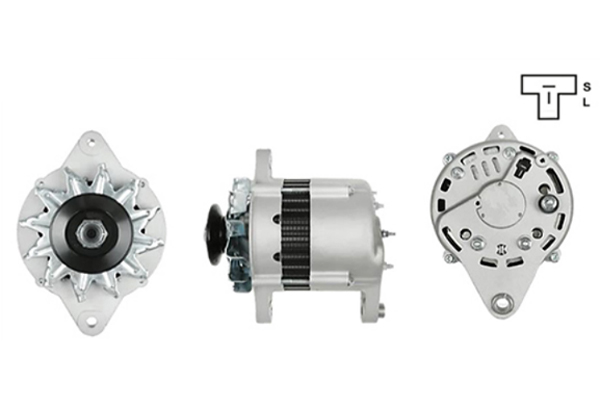 HITACHI Alternator
OEM NO: 23100‑27G10,23100‑05B10,23100‑10B10,23100‑27G00
ENGINE: L16, L18, E15, E15S
DESCRIPTION: 50Amp/12 Volt, IR/OF‑1V
APPLICATION:
NISSAN BLUEBIRD 1.6
NISSAN BLUEBIRD 1.8
NISSAN SUNNY -
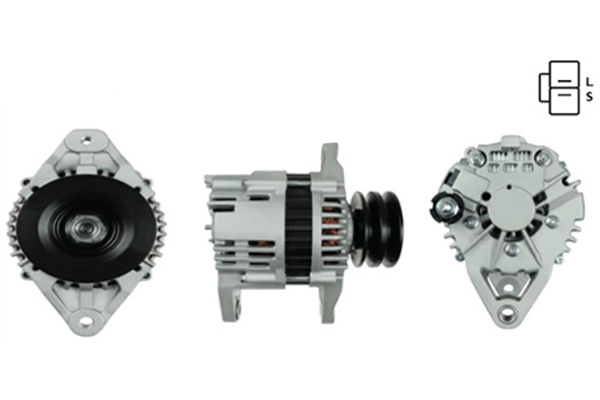 HITACHI Alternator
OEM NO: LR160‑728F,23100‑7T400,23100‑6T00A, LR160‑728E, LR160‑728C,23100‑7T40A
ENGINE: TD25,TD25Ti,TD27
DESCRIPTION: 60 Amp/12 Volt, IR/IF‑2V
APPLICATION:
NISSAN PICKUP II 2.5 4WD (D22)
NISSAN KING CABSTAR I 2.7 TD 4WD -
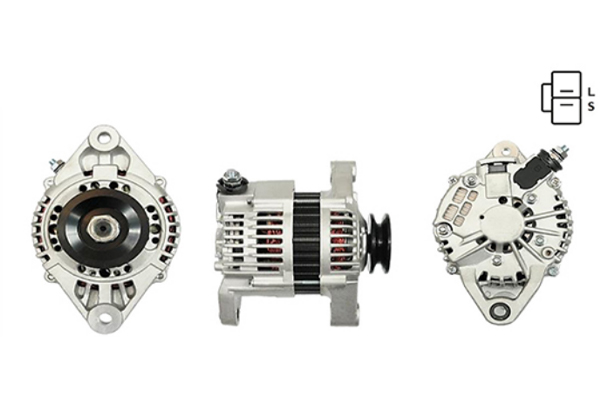 HITACHI Alternator
OEM NO: 23100‑0S300,23100‑35500,23100‑3S500,23100‑9Z000
ENGINE: KA24DE, KA24E
DESCRIPTION: 70Amp/12 Volt, IR/IF‑1V
APPLICATION:
NISSAN FRONTIER 2.4
NISSAN PICK UP
NISSAN XTERA -
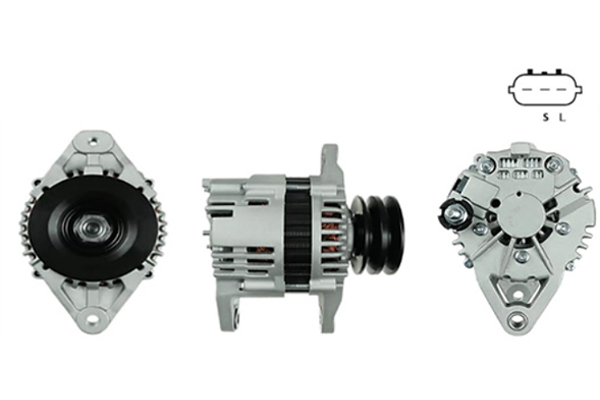 HITACHI Alternator
OEM NO: LR150‑133C, 23100‑36W04, LR160‑728E, LR160‑728C,23100‑32J01,23100‑7T400
ENGINE: SD23, CD20
DESCRIPTION: 50 Amp/12 Volt, IR/IF‑1V
APPLICATION:
NISSAN 720 PICK UP L4 2.2L 1981‑1983 -
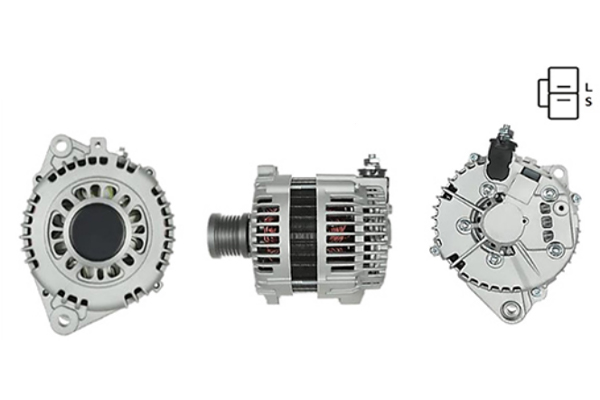 HITACHI Alternator
OEM NO: 1‑2450‑01HI,LR1100‑734, 23100‑8J000
ENGINE: QR20DE
DESCRIPTION: 100 Amp/12 Volt, CW, IR/IF‑6PK/FW
APPLICATION:
NISSAN ALTIMA 2006‑02 L4 2.5L
NISSAN SENTRA 2006‑02 L4 2.5L
NISSAN X‑TRIAL 2.0 (T30),
NISSAN PRIMERA 2.0 (P12) -
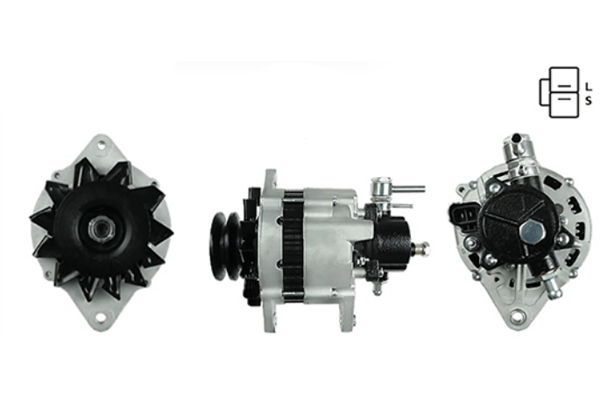 HITACHI Alternator
OEM NO: 23100‑02N23, LR170‑407,23100‑02N14,23100‑02N15
ENGINE: TD27
DESCRIPTION: 70 Amp/12 Volt, CW, IR/IF‑2V
APPLICATION:
NISSAN BLUEBIRD 2.0D
NISSAN TD27 -
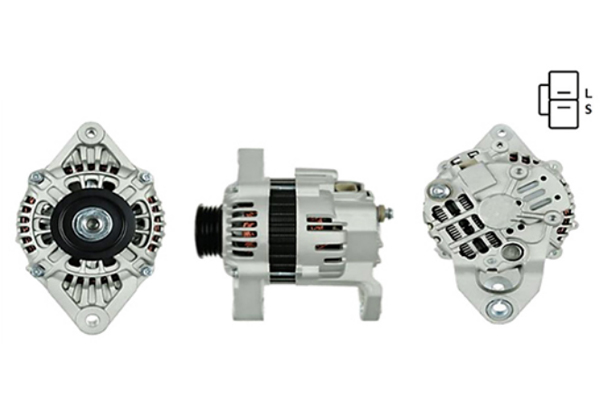 HITACHI Alternator
OEM NO: 23100‑77A00, 23100‑77A10, LR165‑707,LR165‑707B
ENGINE: GA14S, GA16i, CA20E
DESCRIPTION: 65 Amp/12 Volt, CW, IR/IF‑4PK
APPLICATION:
PULSAR NX L4 1.6L 1597CC 1990
SENTRA L4 1.6L 1597CC 1990
NISSAN SUNNY 1.4 N13 -
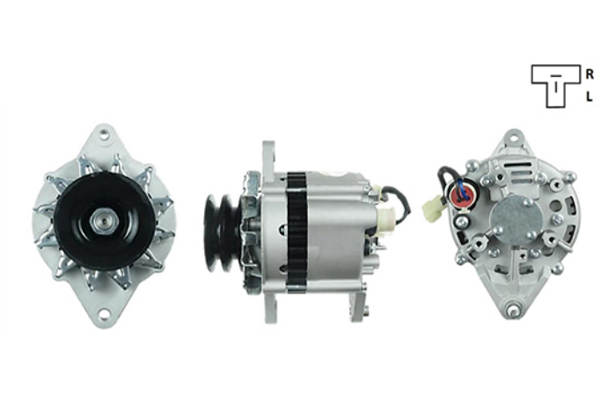 HITACHI Alternator
OEM NO: LR225‑84T, LR225‑84TR, 23100‑51H00,23100‑51H02
ENGINE: TD42
DESCRIPTION: 35 Amp/24 Volt, CW, IR/OF‑2V
APPLICATION:
NISSAN LIFT TRUCK F03 TD42 ENGINE 0000 -
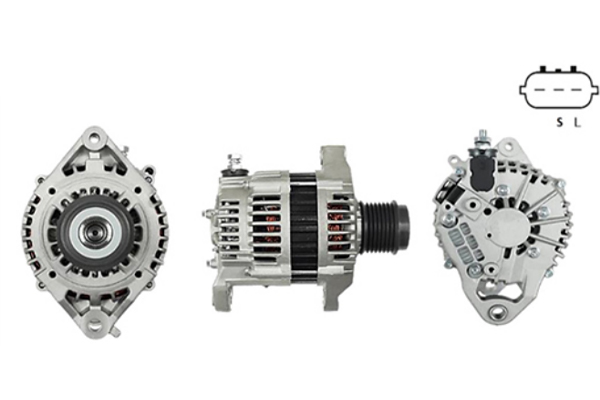 HITACHI Alternator
OEM NO: 23100‑VC10A, LR190‑752, 23100‑VC100
ENGINE: ZD30DDTi, ZD30
DESCRIPTION: 90 Amp/12 Volt, IR/IF‑7PK/FW
APPLICATION:
NISSAN TERRANO II 3.0 DIESEL Di 4WD
NISSAN PATROL GR II 3.0 DTi (Y61)
NISSAN PATROL 3.0 Tdi (Y61) -
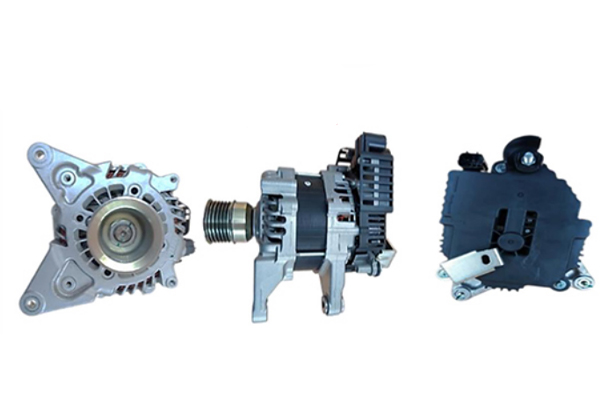 HITACHI Alternator
OEM NO: 2310A‑5TA2A, C003TA1491
ENGINE: MR20DD
DESCRIPTION: 240 Amp/12 Volt, IR/IF‑ 6PK
APPLICATION:
NISSAN SERENA S‑HYBRID GC27 -
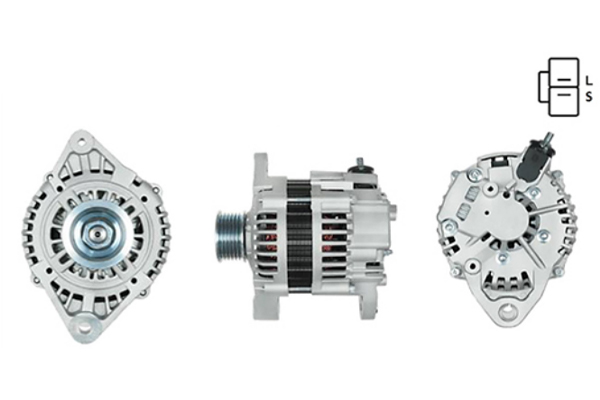 HITACHI Alternator
OEM NO: 1‑2193‑01HI, LR1100‑709, 23100‑9E000
ENGINE: KA24DE, VQ35
DESCRIPTION: 100 Amp/12 Volt, CW,IR/IF‑6PK
APPLICATION:
NISSAN ALTIMA 1998‑2001 L4/2.4L
NISSAN PATHFINDER 3.5 4WD 2000‑2004 -
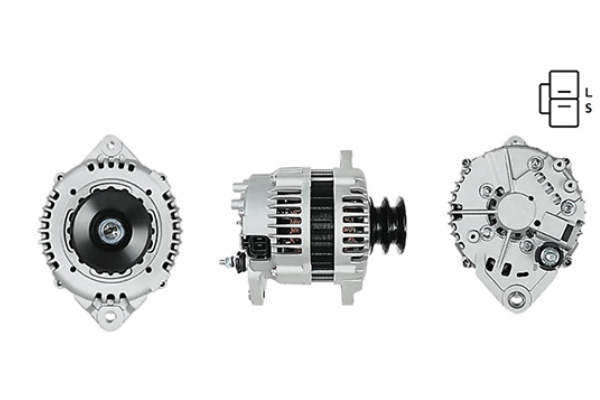 HITACHI Alternator
OEM NO: LR1100‑708, 23100‑VB000,23100‑VB001
ENGINE: VG30E
DESCRIPTION: 90 Amp/12 Volt,CW,IR/IF‑2V
APPLICATION:
NISSAN SAFARI Y61 -
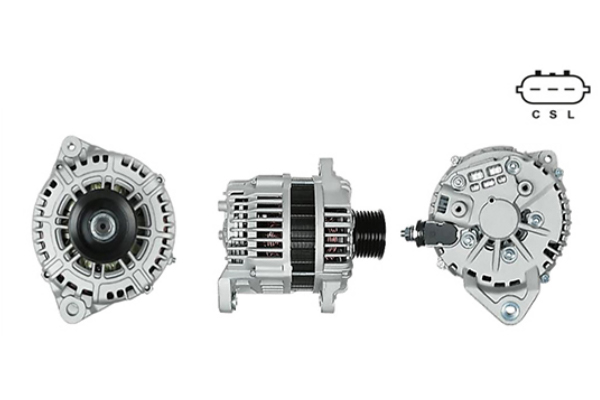 HITACHI Alternator
OEM NO: 23100‑EA200, 23100‑EA20A, LR1130‑703B
ENGINE: VK56DE, VQ40DE, R51M
DESCRIPTION: 130 Amp/12 Volt, IR/IF‑7PK
APPLICATION:
ISSAN PATHFINDER 2005‑2008,
NISSAN TITAN 2006‑2008
Our Company is China HITACHI Alternator Suppliers and HITACHI Alternator Manufacturers, Founded in 1997, Mengyang Motor Group specializes in DC, AC, and brushless motor solutions and serves as a professional motor manufacturer for the global market.
Innovation is both our goal and our legacy. We are certified to UL, CE, IATF 16949, and RoHS, delivering stable and reliable quality that meets international standards.
-
By: Mengyang Motor
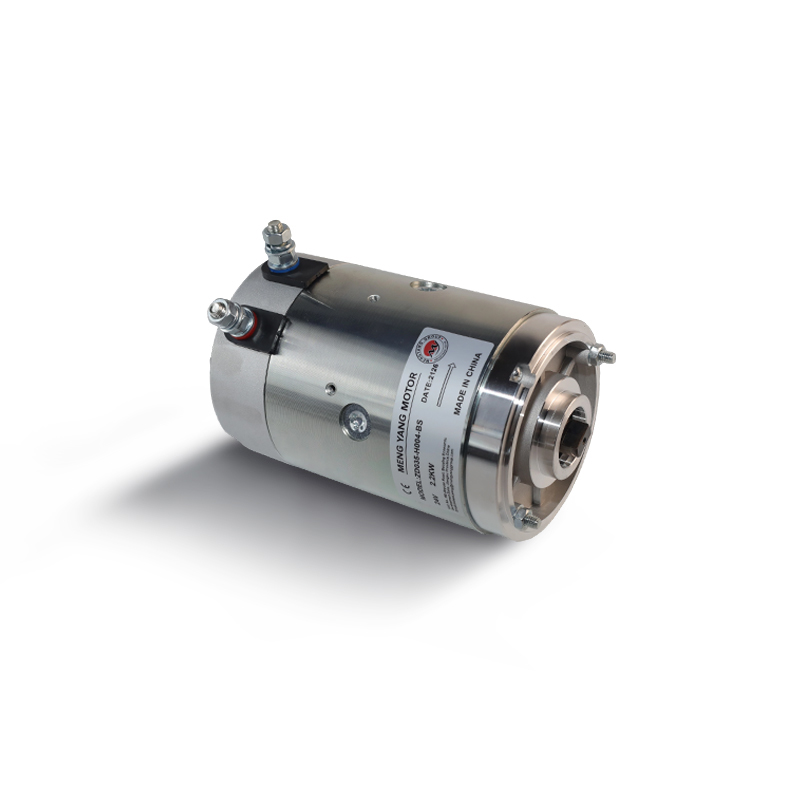 How Can Electric Motor Optimization Improve Performance and Efficiency?
VIEW more
How Can Electric Motor Optimization Improve Performance and Efficiency?
VIEW more
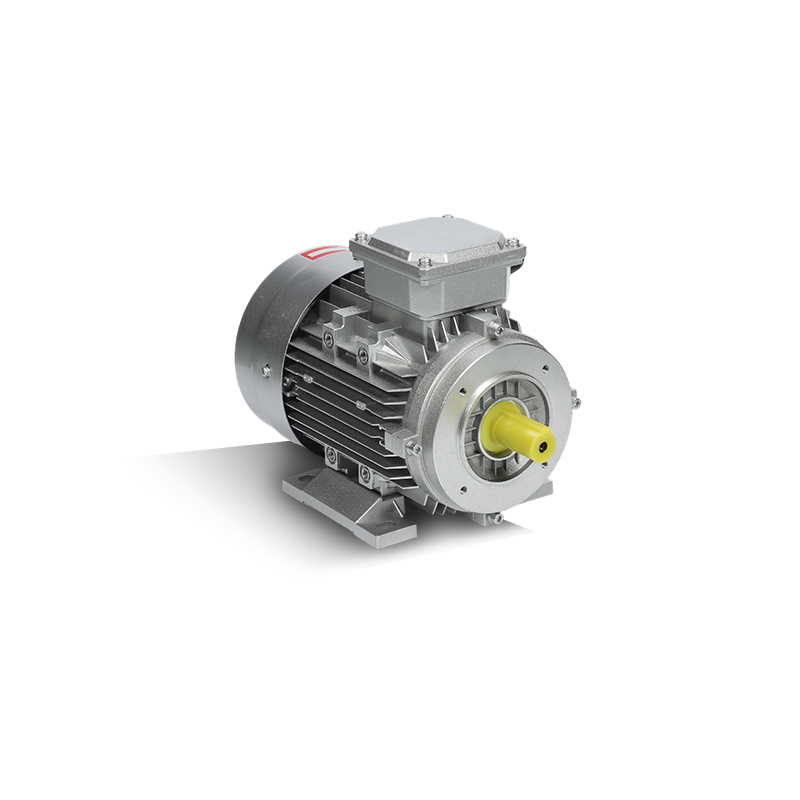
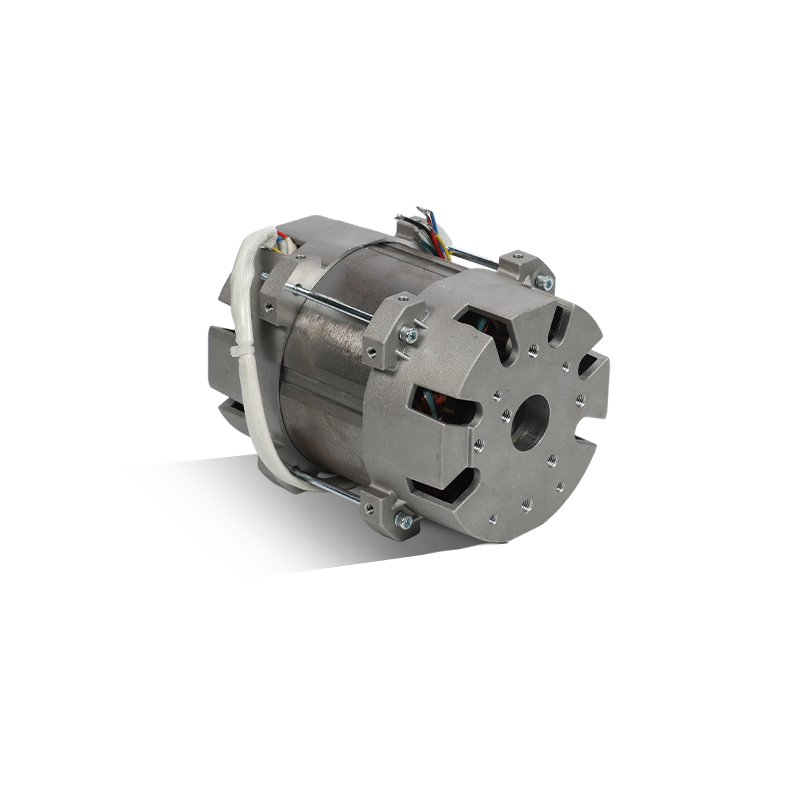
1. Why HITACHI Alternators Remain a Trusted Reference Standard
HITACHI has supplied alternators to major automotive, agricultural, and heavy-equipment OEMs for several decades, and its designs are widely treated as a reference standard across the global aftermarket. This reputation was not built overnight — it reflects sustained investment in rotor winding technology, rectifier design, and thermal management across many product generations. For procurement professionals, understanding why this brand holds such influence is the first step toward setting realistic technical benchmarks for any alternative or compatible sourcing strategy.
Proven Engineering Heritage
HITACHI's alternator platforms are built on architectures that have been refined through long, uninterrupted production runs. The rotor-stator-rectifier configuration used across many of its product lines has been field-tested across millions of operating hours in passenger cars, light trucks, and industrial equipment. This depth of field data means that failure modes are well understood, which in turn allows both original and compatible manufacturers to design around known weak points — such as bearing wear under sustained high-RPM operation or diode degradation under thermal cycling.
Design Consistency Across Generations
Unlike suppliers who frequently redesign core architecture, HITACHI has historically favored incremental refinement. This gives buyers a more predictable technical roadmap when planning multi-year procurement contracts, since compatible components and tooling do not need to be redesigned as frequently.
Cross-Platform Compatibility
HITACHI alternator specifications are referenced across a wide range of vehicle and machinery platforms — from passenger sedans to commercial trucks, construction machinery, and marine engines. This broad applicability simplifies cross-referencing for buyers who need to source replacement or compatible units across a diverse fleet or product catalog, reducing the number of distinct SKUs that purchasing and inventory teams must manage.
Established Performance Benchmarks
Output curves, voltage regulation behavior, and thermal tolerance data for HITACHI units are extensively documented in the aftermarket. This makes it considerably easier for quality assurance teams to set clear, testable acceptance criteria for incoming inspection — rather than relying on vague or supplier-provided claims alone.
| Evaluation Area | Why It Matters to Buyers | Typical Reference Data |
|---|---|---|
| Rotor/Stator Design | Determines output stability and heat resistance | Field-tested across multiple vehicle generations |
| Platform Coverage | Reduces SKU complexity for multi-fleet buyers | Passenger, commercial, industrial, marine |
| Performance Documentation | Enables objective incoming inspection | Output curves, voltage regulation tolerances |
2. Key Technical and Commercial Factors Procurement Teams Should Evaluate
When sourcing HITACHI-type alternators — whether genuine, OEM-equivalent, or compatible units — a disciplined evaluation process is essential to protect against downstream quality risk. Procurement decisions based on unit price alone frequently lead to higher warranty costs, unplanned downtime, and reputational risk with end customers. A structured evaluation framework should weigh both technical performance and commercial reliability side by side.
Electrical Performance Data
Buyers should always request rated output figures, idle-speed charging performance, and voltage regulation tolerances, and compare them directly against the original specification sheet rather than relying on nameplate wattage alone. Bench test reports under simulated load conditions provide a far more reliable indicator of real-world performance than static datasheet values.
Component-Level Quality
Alternator failures are most frequently traced to two sources: bearing wear and winding insulation breakdown under repeated heat cycling. Procurement teams should request accelerated life-cycle test data along with material certifications, including copper wire grade and insulation class, before approving a new supplier for volume orders.
Rectifier and Regulator Reliability
Diode rectifiers and voltage regulators remain common failure points in the field. It is good practice to request component-level sourcing information and burn-in test protocols, since these smaller components often determine an alternator's real-world service life more than the housing or winding design itself.
Manufacturing Traceability
For B2B volume orders, batch traceability, incoming raw material inspection records, and finished-goods test reports — including load bench testing and IP rating verification — are essential for quality audits and for managing warranty claims efficiently across large shipments.
Supply Continuity
Lead times, minimum order quantities, and a supplier's capacity to scale production without compromising consistency are just as important as unit pricing, particularly for buyers managing multi-region distribution or seasonal demand spikes.
| Evaluation Criterion | Key Question for Suppliers | Risk if Overlooked |
|---|---|---|
| Electrical Performance | Do bench test reports match datasheet claims? | Field underperformance, customer complaints |
| Bearing & Winding Quality | What is the accelerated life-cycle test result? | Premature failure, high warranty cost |
| Rectifier Reliability | Is burn-in testing performed on diodes? | Intermittent charging faults |
| Traceability | Can batch-level records be provided? | Difficult root-cause analysis on returns |
| Supply Continuity | Can capacity scale with demand? | Production delays, stockouts |
3. Partnering with a Qualified Manufacturer: Jiangsu Mengyang Motor Manufacture Co., Ltd.
Consistent alternator quality depends as much on the manufacturing system behind the product as on the design itself. This is precisely where an established, vertically capable motor manufacturer becomes a valuable long-term sourcing partner rather than a transactional vendor.
Company Background
Jiangsu Mengyang Motor Manufacture Co., Ltd., founded in 1997, is a professional motor manufacturer specializing in the research, development, and production of DC motors, AC motors, and brushless DC motors — the same core electromechanical disciplines that underpin alternator design and production. With nearly three decades of continuous operation, the company has accumulated deep engineering know-how in rotor winding, magnetic circuit design, and precision assembly that directly transfers to alternator manufacturing and quality control.
Integrated Group Structure
Operating alongside its subsidiary, Wuxi Mengyuan Motor Manufacturing Co., Ltd., Jiangsu Mengyang Motor Manufacture Co., Ltd. has built an integrated system spanning engineering, manufacturing, and delivery. This structure allows the group to support customers from initial technical consultation and prototype validation through to finished-goods shipment, without the coordination gaps that often occur when engineering and production are handled by separate, unaffiliated entities.
Manufacturing Scale
The group operates a 70,000 m² modern manufacturing facility, staffed by more than 300 employees, supported by a well-established manufacturing system, in-house engineering capability, and a structured quality management framework. This scale enables the company to accommodate both trial orders for new buyers and sustained, high-volume procurement for established fleet or distribution partners.
Why This Matters for B2B Procurement
For buyers evaluating new or secondary suppliers for HITACHI alternators or compatible equivalents, working with a manufacturer that combines engineering depth, scalable production capacity, and integrated quality management reduces the inspection burden on the buyer's side and supports consistent, batch-to-batch performance — key concerns highlighted in Section 2 above.
| Capability | Details |
|---|---|
| Founded | 1997 |
| Core Products | DC motors, AC motors, brushless DC motors |
| Group Subsidiary | Wuxi Mengyuan Motor Manufacturing Co., Ltd. |
| Facility Size | 70,000 m² |
| Workforce | 300+ employees |
| Integrated Coverage | Engineering → Manufacturing → Delivery |
FAQ
Q1: Does Jiangsu Mengyang Motor Manufacture Co., Ltd. produce genuine HITACHI-branded alternators?
No. Jiangsu Mengyang Motor Manufacture Co., Ltd. is an independent motor manufacturer with its own R&D and production capabilities for DC, AC, and brushless DC motors. Reference to HITACHI in this article relates to industry technical benchmarks, not brand affiliation or licensing.
Q2: What documentation should I request before placing a bulk order?
At minimum, request bench performance test reports, material certifications, batch traceability records, and burn-in test data for rectifier and regulator components.
Q3: Can production scale for large or recurring orders?
With a 70,000 m² facility and 300+ employees, Jiangsu Mengyang Motor Manufacture Co., Ltd. is structured to support both trial orders and sustained volume procurement.
Q4: How does the group ensure consistent quality across batches?
Through an integrated system covering engineering, manufacturing, and delivery, supported by a structured quality management framework and its subsidiary, Wuxi Mengyuan Motor Manufacturing Co., Ltd.

Copyright © 2026 by Jiangsu Mengyang Motor Manufacture Co. Ltd. Rights Reserved.
