 English
 中文简体
中文简体 русский
 Français
 Español
 عربى
عربىRising electricity bills are rarely blamed on the motors in the building. A motor sits quietly inside a machine and almost never announces itself. That is precisely why high efficiency electric motors deserve a closer look: a unit running 5,000 hours a year turns a small difference in efficiency into a noticeable difference on the invoice.
This guide covers where the losses actually go, what the IE classes mean, and how to judge whether an upgrade will pay for itself or simply look good on a specification sheet.
What "High Efficiency" Really Means
Efficiency is the ratio of mechanical power delivered at the shaft to the electrical power drawn from the supply. Everything not delivered as useful work becomes heat, and that heat comes from five places:
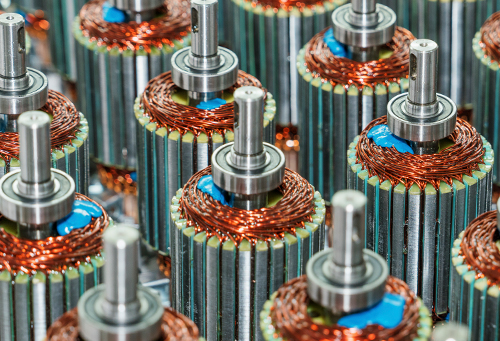
- Stator winding losses, mostly resistance heating in the copper
- Rotor losses, which behave differently in a brushed DC motor and an induction motor
- Core losses from hysteresis and eddy currents in the laminations
- Stray losses caused by leakage flux and harmonics
- Mechanical losses in bearings, ventilation and friction
An efficient design does not remove any of these categories. It reduces each one with thinner laminations, better stacking, tighter air gaps, a smarter fan, low-drag bearings and more active material where it matters. There is no secret ingredient, which is also why you cannot identify an efficient motor by appearance alone.
IE Classes, From IE1 to IE4
IEC 60034-30-1 defines the international efficiency classes. NEMA uses its own framework, where NEMA Premium broadly aligns with IE3. All of these are measured under standard test conditions, so real-world figures will be slightly lower.
| Class | Common equivalence | Where it usually fits |
|---|---|---|
| IE1 | Standard efficiency | Legacy replacements, intermittent duty |
| IE2 | Improved efficiency | Retrofit projects, shorter run hours |
| IE3 | NEMA Premium equivalent | Most new industrial installations |
| IE4 | Super premium | High run hours, energy-intensive duty |
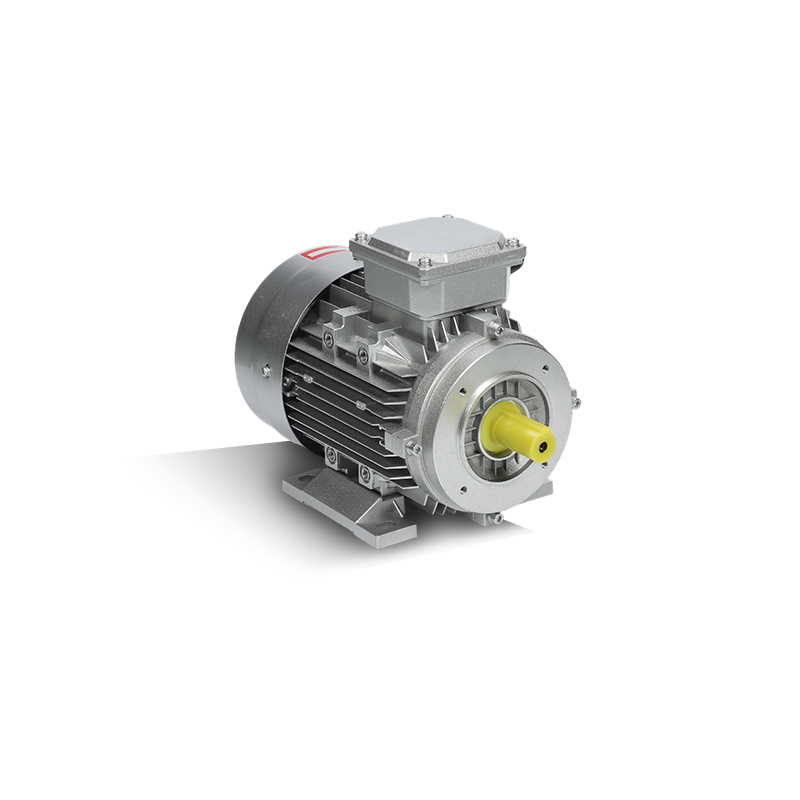
There is one thing the table deliberately leaves out: a fixed number. A small two-pole motor and a large four-pole motor live on completely different parts of the efficiency curve, so compare nameplate data rather than generic percentages. If IE3 is the class you are weighing, our IE3 aluminium-cased range was built around exactly that duty.
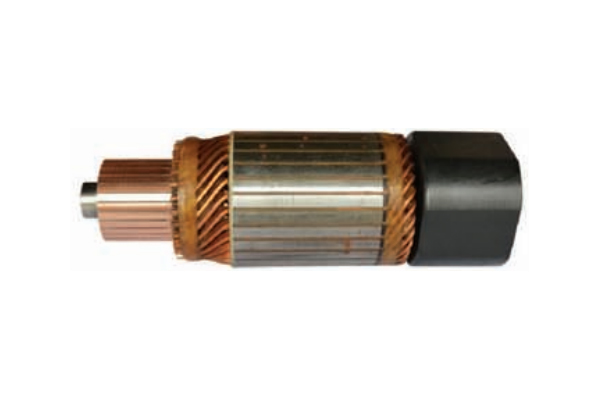 EHBD IE3 Aluminium-Cased Three-Phase MotorCompare nameplate data for this IE3 aluminium-cased motor, suited to industrial and agricultural duties such as pumps, fans, compressors, and conveyors.View Product →
When Does Higher Efficiency Actually Pay Off?
Overspending on an efficiency class is just as much of a mistake as underspending. Four variables decide the answer:
- Run hours. A motor that runs 800 hours a year and one that runs 6,000 hours a year are two different business cases.
- Real load factor. If the motor sits at 30 percent load, most of the efficiency advantage evaporates.
- Local energy price. Expensive power shortens payback; subsidised power stretches it.
- Whether a drive is involved. On fan and pump duty, variable speed often saves more than the jump from IE2 to IE3.
As a rough rule, higher run hours make an IE3 upgrade easier to justify, and continuous, energy-intensive duty is where IE4 starts to earn its price. For intermittent loads, IE2 or even a well-repaired IE1 may be the more rational place to put the money.
Matching the Motor to the Load
Even an IE4 motor wastes energy when it is oversized. The habit of adding a generous safety margin pushes the motor into a lightly loaded region where power factor and efficiency both fall away. Proper sizing starts from the actual shaft requirement at the worst-case operating point, not from a round number that happens to be available.
Why a drive changes the arithmetic
On variable-torque loads such as centrifugal fans and pumps, dropping speed to 80 percent cuts shaft power to roughly half of full-speed demand. That saving dwarfs anything a class label can deliver. Constant-torque loads benefit less dramatically, but soft starting and reduced mechanical shock still count for something.
Common specification mistakes
- Matching the old nameplate rating instead of the measured load
- Ignoring the duty cycle, where night shifts may draw a fraction of daytime demand
- Pairing a new IE3 motor with an outdated starter or control method
- Overlooking ambient temperature, altitude and dust, all of which reduce site efficiency
Which Motor Types Suit an Efficiency-First Project
Induction motors carry most industrial drive duty worldwide and are standardised under both IEC and NEMA frame systems, which makes them the natural starting point for efficiency work.
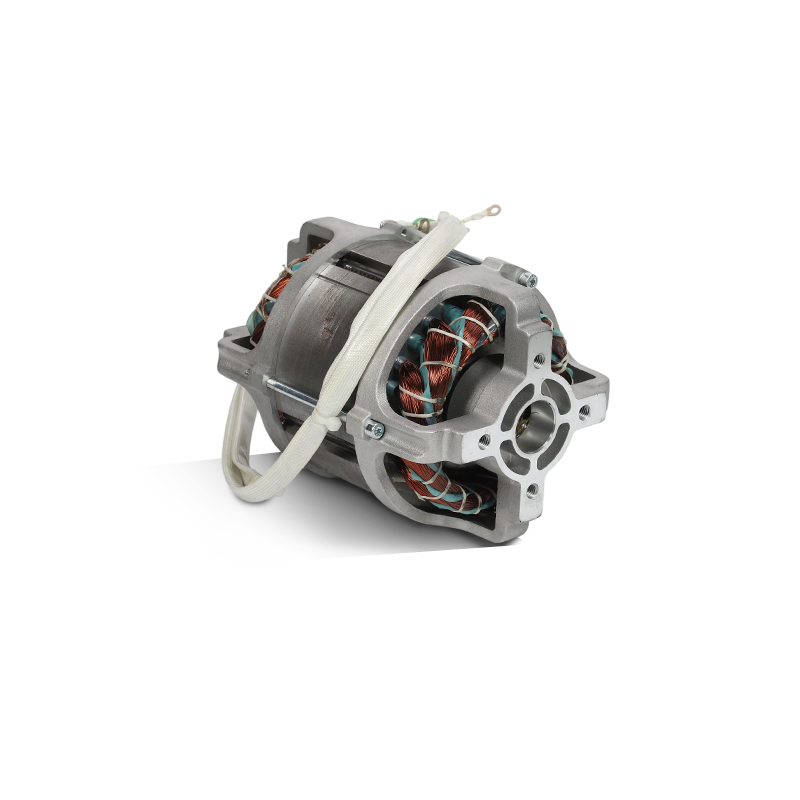 IEC AC Asynchronous Motors for Industrial Drive ApplicationsExplore IEC-standard induction motors for industrial machinery, pumps, fans, and conveyors, with series covering varied drive duties and efficiency needs.View Product →
The work does not stop at the motor, though. A well-chosen motor on a poorly matched gearbox is still a compromise.
Gear reduction affects overall efficiency too
Sometimes the efficient choice is not a more efficient motor but a faster motor paired with a gearbox, running at a speed where the motor performs best and letting the reduction stage handle torque. An asynchronous induction gear motor often beats a large direct-drive unit on both efficiency and cost.
Where Efficiency Matters Most in Practice
Savings are not spread evenly. They cluster around duties that run long and hard.
- Industry and automation. Pumps, fans, compressors and conveyors frequently run two or three shifts. Our industrial and automation applications cover the motor types most often found on those lines.
- Intelligent logistics. Storage trucks, stackers and dock levellers run almost continuously with frequent starts, which makes their drive and pump motors prime candidates for review. See the intelligent logistics range for the usual configurations.
- Commercial vehicles. Starters and alternators are not judged by efficiency class, but matching alternator output to actual electrical load still affects fuel consumption and battery life.
- Construction machinery. Durability usually outranks a fraction of a percent, yet the two are not in conflict: tighter tolerances and better windings help both.
The Free Percentage Points
A premium motor held back by its environment can perform no better than a standard one. Much of the gap between catalogue efficiency and site efficiency comes from installation and operation, not from the product.
- Voltage imbalance is one of the most common culprits; a few percent of imbalance raises losses and heat noticeably.
- Alignment and belt tension quietly consume electricity that was meant to drive the load.
- Bearing condition and ventilation matter more than most people expect, since a hot motor derates itself.
- Winding insulation resistance and phase balance are worth checking on a schedule rather than after a failure.
None of this requires a purchase order, and it routinely recovers more than a class upgrade would.
How Mengyang Approaches Efficiency
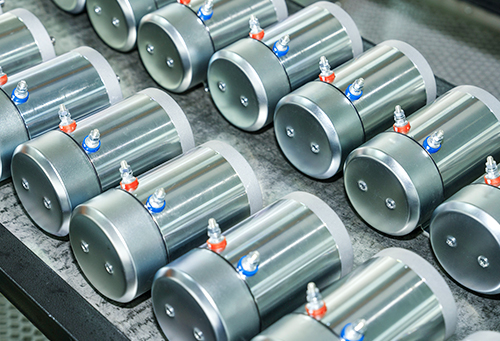
Jiangsu Mengyang Motor Manufacture has been building motors since 1997, starting from vehicle electrical components and expanding into DC motors, AC motors, brushless DC motors, starters, alternators and the core parts behind them. The company runs a manufacturing site of roughly 70,000 square metres with more than 300 employees, working alongside its Wuxi subsidiary across engineering, production and delivery.
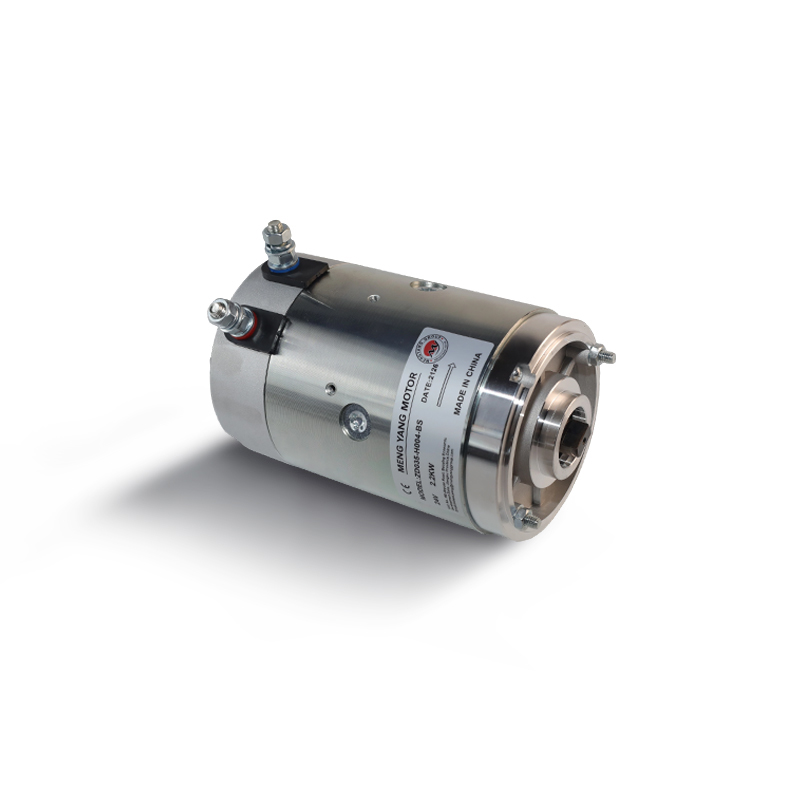
In practice, that efficiency focus shows up in a few places: an IE3 aluminium-cased family inside the IEC range, AC asynchronous motors offered under both IEC and NEMA frame systems, and brushless DC designs developed for specific machine forms such as a sweeper brush-disc motor, where the real question is not the class label but whether the battery lasts the full shift.
For buyers weighing total cost of ownership rather than purchase price alone, the more useful conversation is about duty cycle, load profile and frame compatibility, and that is where a conversation with the engineering side usually starts.
A Short Checklist Before You Specify
- Measure the real load profile rather than inheriting the old nameplate.
- Work out total cost of ownership over the expected run hours and local energy price.
- Compare an efficiency upgrade against a variable-speed retrofit; the cheaper option is not always the lower class.
- Confirm voltage, frequency and frame dimensions fit the installation without adapters.
- Budget for installation quality and a maintenance routine, since both decide whether the savings survive.
High efficiency electric motors cannot rescue a badly designed system, but they will quietly improve a well-designed one and return a little money every year. Judge them on lifetime cost, not on the line item at purchase.