 English
 中文简体
中文简体 русский
 Français
 Español
 عربى
عربى
MITSUBISHI Alternator Suppliers
-
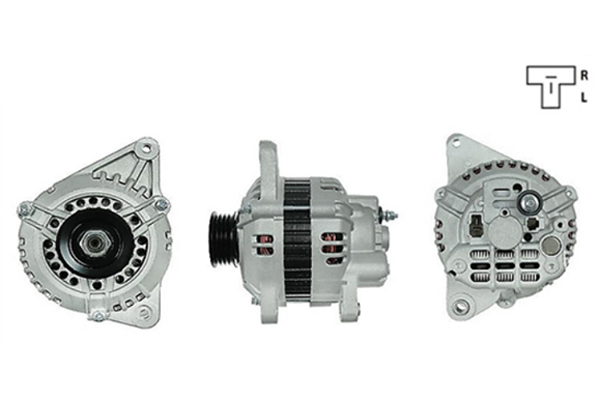 MITSUBISHI Alternator
OEM NO: A1T40791,A1T41991,MD074644,A2T42677,AR160A,AB155001
ENGINE: 4G32,4G15,4G‑16
DESCRIPTION: 60Amp/12 Volt, IR/IF‑4PK
APPLICATION:
MITSUBISHI Colt 1.5 GLX
MITSUBISHI Lancer 1.5
MITSUBISHI GALANT III 1.6 -
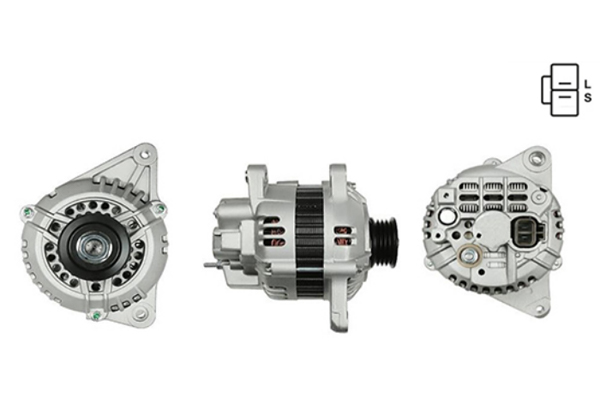 MITSUBISHI Alternator
OEM NO: A2T07292,A2T17692,A2T09792ZC,A2T09792,MD116418,MD117156
ENGINE: 4G32,4G37,4G63
DESCRIPTION: 75 AMP/12 VOLT, CW, IR/IF‑4PK
APPLICATION:
MITSUBISHI ECLIPSE 1.8L 1990‑1994
MITSUBISHI Lancer 1.8 4x4
MITSUBISHI Galant 1.6/1.8 -
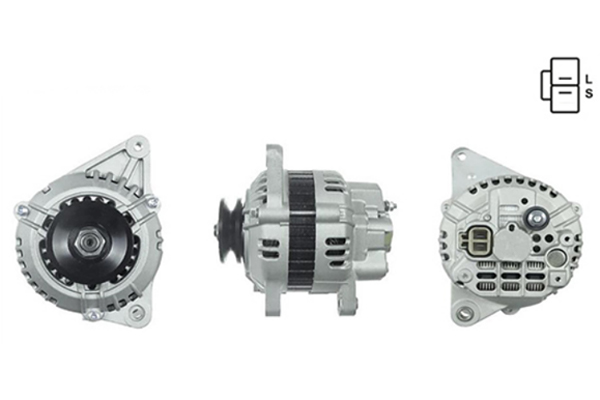 MITSUBISHI Alternator
OEM NO: MD006187,A002T02671,A2T02671,MD007509,A2T02871,A2T02771,MD108229
ENGINE: 4G32
DESCRIPTION: 50AMP 12Volt, IR/IF‑1V
APPLICATION:
MITSUBISHI L300 1.6 -
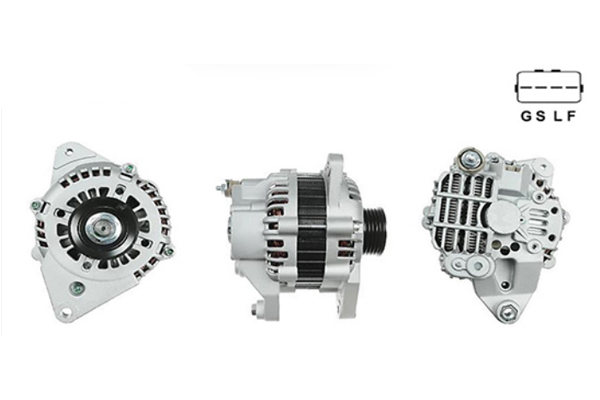 MITSUBISHI Alternator
OEM NO: MD341353,A3TA7291,A3TB2091A,A003TB2091A
ENGINE: 6G74,6G75
DESCRIPTION: 125 Amp/12 Volt, IR/IF‑5PK
APPLICATION:
PAJERO SPORT 3.5L V6 -
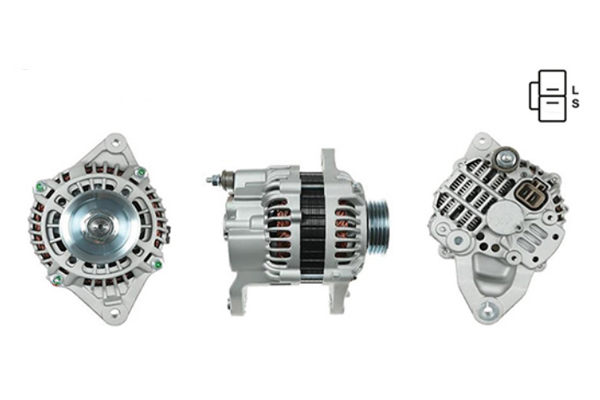 MITSUBISHI Alternator
OEM NO: A2T80591,A2T81791,MD194482,A2T81791A
ENGINE: 4G63,4G63A
DESCRIPTION: 90 Amp/12 Volt, IR/IF‑4PK
APPLICATION:
MITSUBISHI Space 2.0 4WD
MITSUBISHI GALANT 2.4L 1992‑1995 -
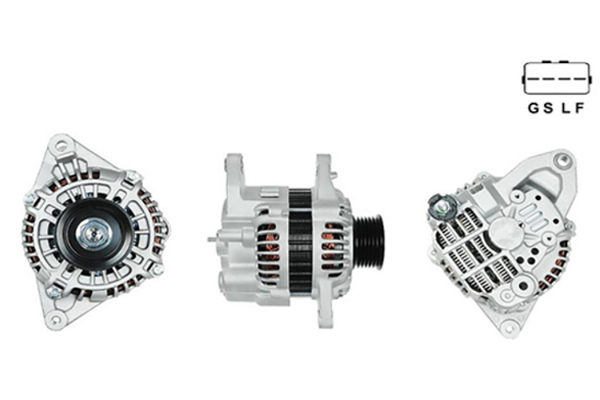 MITSUBISHI Alternator
OEM NO: 1800A008,A3TG3391ZT,A3TG3391,A003TG3391ZT
ENGINE: 4D56
DESCRIPTION: 120Amp/12 Volt, IR/IF‑6PK
APPLICATION:
MITSUBISHI L200 2.5 Di‑D (KB4T) 4X4 AT 2006
MITSUBISHI L200 2.5 Di‑D (KA4T) AT 2006 -
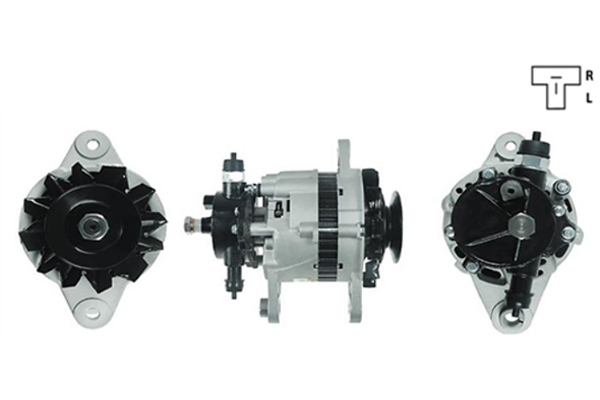 MITSUBISHI Alternator
OEM NO: ME017552, ME017561, ME017550, A5T70283, A5T70185, A5T70178, A2T73499, A2T71983, A2T71583, A2T71483
ENGINE: 4D31,4D31‑T,4D30A
DESCRIPTION: 35Amp/24 Volt, IR/OF‑1B
APPLICATION:
MITSUBISHI TRUCK CANTER D (FE211) 1983
MITSUBISHI CANTER 444 DIESEL (FE) 1983 -
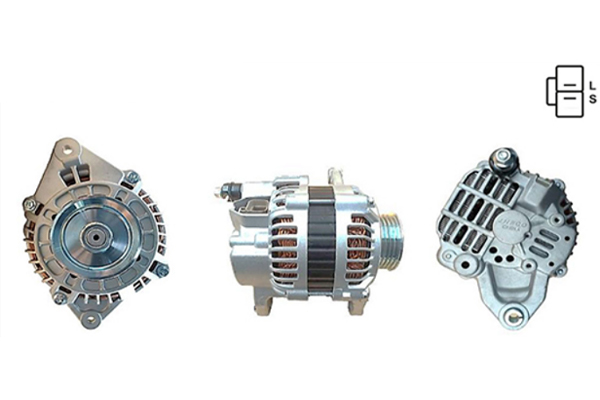 MITSUBISHI Alternator
OEM NO: MD354802, A3TA0991A,A5T70185,MD313941
ENGINE: 4G63,4G64
DESCRIPTION: 75Amp/12 Volt, IR/IF‑4PK
APPLICATION:
MITSUBISHI L200 2.4 C4X4
MITSUBISHI L400 -
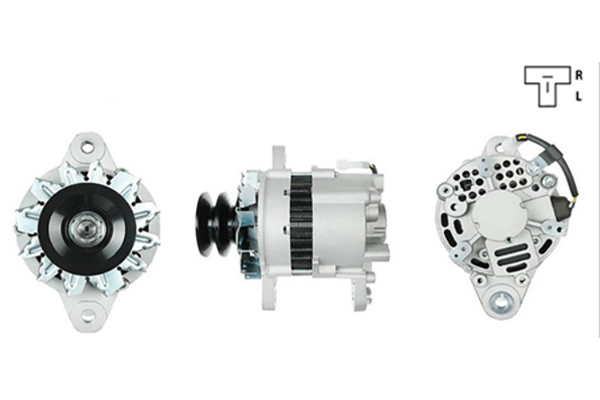 MITSUBISHI Alternator
OEM NO: ME067611,A4T57472,ME049154,A2T70771
ENGINE: 6D14,6D22,8DC,6D15
DESCRIPTION: 30Amp/24 Volt, IR/OF‑2V
APPLICATION:
MITSUBISHI FUSO 6D14,6D15,6D20,6D22,
KOBELCO EXCAVATOR K912A -
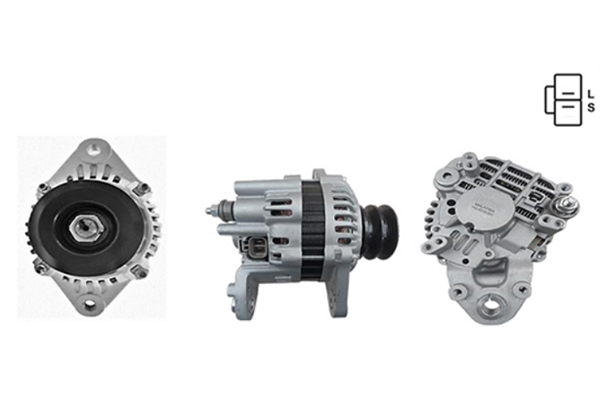 MITSUBISHI Alternator
OEM NO: ME067612,A4T57471,A2T71189
ENGINE: 8DC9
DESCRIPTION: 50 Amp/24 Volt, IR/OF‑1V
APPLICATION:
MITSUBISHI FUSO 8DC9
KOBELCO EXCAVATOR SK220,K904‑11,
K907,SK100,SK200 -
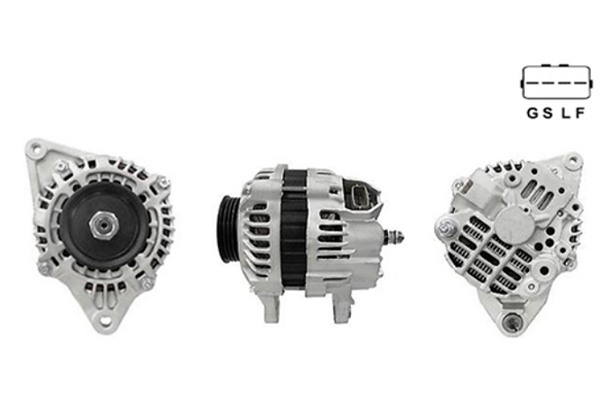 MITSUBISHI Alternator
OEM NO: MD195437,A2T39881
ENGINE: 4G92
DESCRIPTION: 75AMP,12Volt, IR/IF‑4PK
APPLICATION:
MITSUBISHI MIRAGE MIVEC -
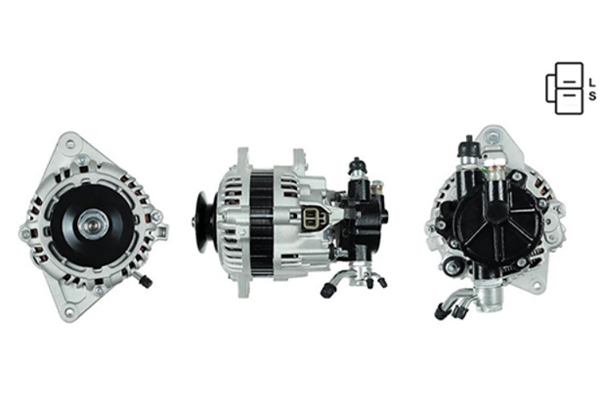 MITSUBISHI Alternator
OEM NO: A3T08183,MD160671,A003T08183
ENGINE: 4D56TD
DESCRIPTION: 75Amp/12 Volt , IR/IF‑1V
APPLICATION:
MITSUBISHI PAJERO 2.5TD (V24C,W) -
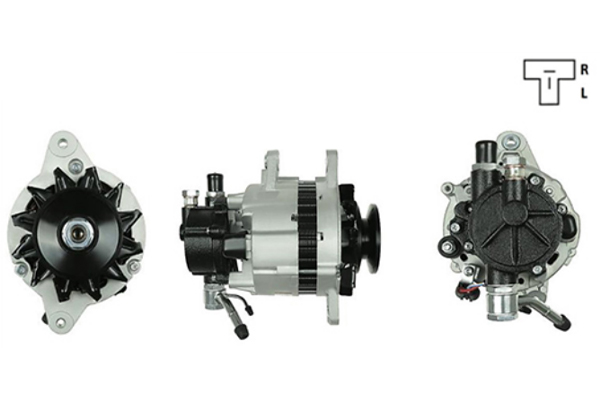 MITSUBISHI Alternator
OEM NO: MD013740, A5T20484, A002TN2584, A005T16084
ENGINE: 4D56,4D56T,4D55
DESCRIPTION: 75 Amp/12 Volt, IR/OF‑1V, 2V
APPLICATION:
MITSUBISHI PAJERO 2.3TD (L048G)
MITSUBISHI L200 2.5 (K14T), MITSUBISHI L300 2.3
MITSUBISHI, CANTER 35 2.5 -
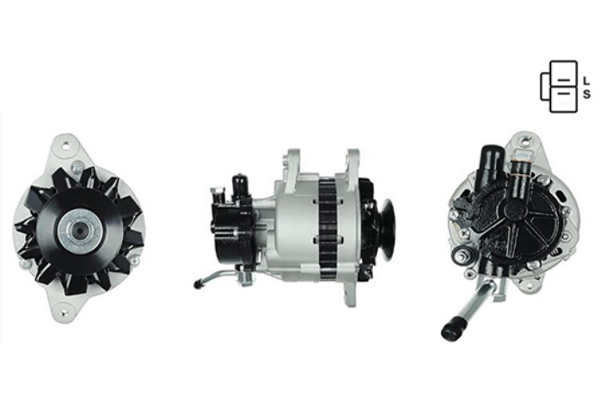 MITSUBISHI Alternator
OEM NO: MD140189,A002T11783,MD140189,A2T17783
ENGINE: 4D56,4D56‑T
DESCRIPTION: 65 Amp/12 Volt, 40CC, CW, IR/OF‑2V
APPLICATION:
MITSUBISHI PAJERO 2.5
MITSUBISHI L200 2.5
MITSUBISHI L 300 2.5 TD 4WD -
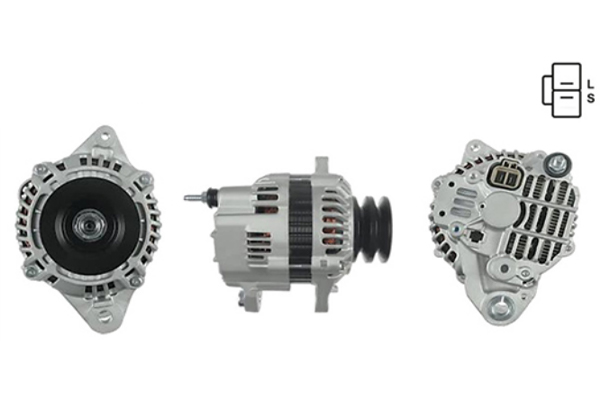 MITSUBISHI Alternator
OEM NO: A3TA3098,MD200695,ME200695,A3T09199
ENGINE: 4M40,4M40‑A,4M40‑2AT,4M42‑OAT
DESCRIPTION: 90 Amp/12 Volt, CW,IR/IF‑2V
APPLICATION:
4M40 4M41
MITSUBISHI CANTER 55 30
MITSUBISHI CANTER 35 2.8
MITSUBISHI PAJERO 2.8 TD -
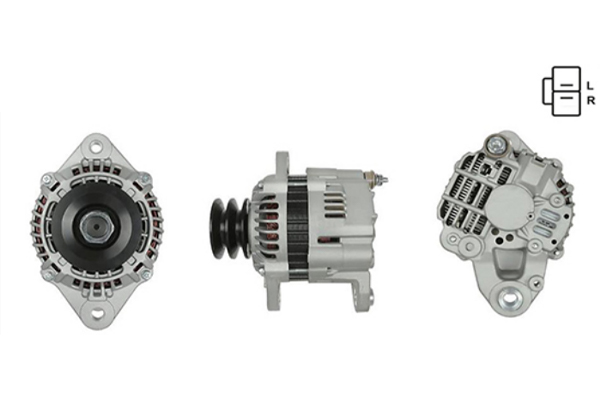 MITSUBISHI Alternator
OEM NO: ME088887,A3TN5188,ME017614,A003TN5387
ENGINE: 6D34‑E160,SK200‑5,4D34‑2AT4
DESCRIPTION: 45 Amp/24 Volt, CW, IR/IF‑2V
APPLICATION:
NEW HOLLAND EXCAVATER
MITSUBISHI 6D34
KOBELCO SK200‑5
MITSUBISHI Canter 60 3.9 -
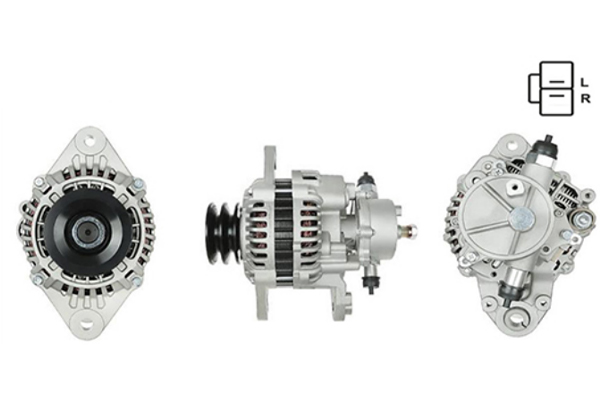 MITSUBISHI Alternator
OEM NO: ME011698,A3TN6188,A3TN6188ZJ
ENGINE: 4D34
DESCRIPTION: 45 Amp/24 Volt, 60CC, CW, IR/IF‑2V
APPLICATION:
Mitsubishi Canter 4D33, 4D34 -
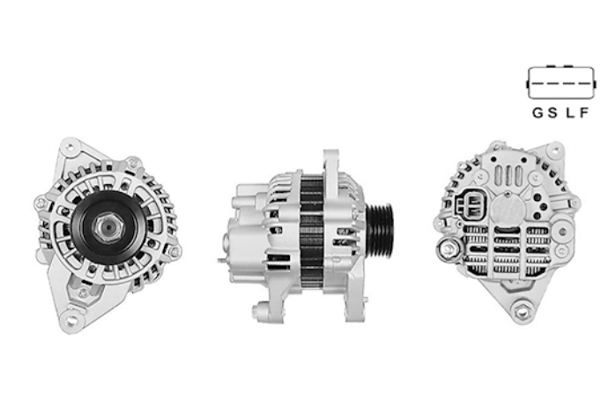 MITSUBISHI Alternator
OEM NO: A3T14491, A3TA1191, MD350609D,MD350608
ENGINE: 6G74,6G72
DESCRIPTION: 100 Amp/12 Volt, CW, IR/IF‑5PK
APPLICATION:
1998‑00 MITSUBISHI MONTERO W/3.5L
MITSUBISHI PAJERO II 3.0 V6
MITSUBISHI PAJERO II 3.5 V6 -
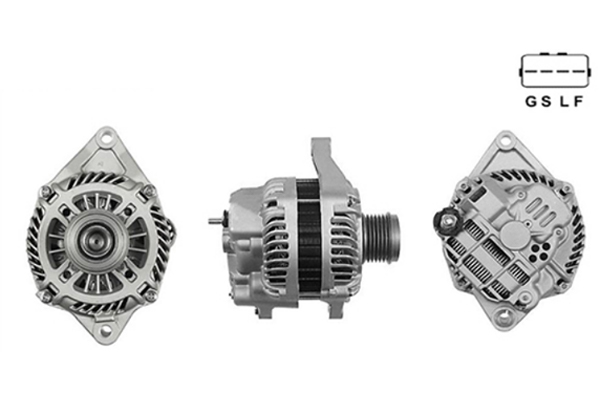 MITSUBISHI Alternator
OEM NO: A3TG3181, A003TG3181,1800A053,DRA1004
ENGINE: 4B10,4B11,4B12
DESCRIPTION: 120 Amp/12 Volt, CW, IR/IF‑6PK/FW
APPLICATION:
MITSUBISHI LANCER VIII 1.8
MITSUBISHI OUTLANDER II 2.0/2.0 4WD
MITSUBISHI OUTLANDER II 2.4 4WD
MITSUBISHI ASX 1.8 GA 2010 -
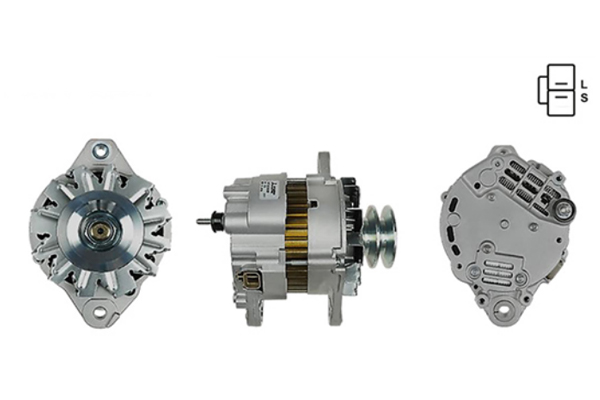 MITSUBISHI Alternator
OEM NO: ME037616,ME037260,ME354509,A004TU7686AM
ENGINE: 6D17,6M61
DESCRIPTION: 50 Amp/24 Volt, IR/OF‑2V
APPLICATION:
MITSUBISHI Fuso MJ218 8.2
MITSUBISHI Fuso MK25H 8.2
MITSUBISHI Fuso MM33H 8.2
Our Company is China MITSUBISHI Alternator Suppliers and MITSUBISHI Alternator Manufacturers, Founded in 1997, Mengyang Motor Group specializes in DC, AC, and brushless motor solutions and serves as a professional motor manufacturer for the global market.
Innovation is both our goal and our legacy. We are certified to UL, CE, IATF 16949, and RoHS, delivering stable and reliable quality that meets international standards.
-
By: Mengyang Motor
 How Can Electric Motor Optimization Improve Performance and Efficiency?
VIEW more
How Can Electric Motor Optimization Improve Performance and Efficiency?
VIEW more
How Do MITSUBISHI Alternators Improve Vehicle Electrical Performance in Complex Operating Conditions?
The Importance of Reliable Alternators in Modern Vehicle Systems
As automotive technology continues to advance, electrical systems have become an increasingly important part of vehicle operation. Modern vehicles are equipped with electronic control units, intelligent sensors, safety systems, communication devices, and various comfort functions, all of which require a stable and continuous power supply. While the battery provides the initial energy required for engine startup, the alternator becomes the main source of electrical power once the engine is running.
MITSUBISHI Alternators are designed to provide stable electricity generation by converting mechanical energy from the engine into electrical energy. Their performance directly affects battery charging efficiency, electrical system reliability, and the overall operating stability of vehicles.
The alternator operates through electromagnetic induction. When the engine drives the alternator rotor, a rotating magnetic field is created, generating alternating current in the stator windings. The rectifier then converts this AC power into DC power, which can be used by vehicle electrical systems and stored in the battery.
A reliable alternator needs to maintain consistent output under different operating conditions. Vehicle speed changes, electrical load fluctuations, temperature variations, and long working periods can all influence alternator performance. Therefore, alternator design requires careful consideration of electromagnetic efficiency, thermal management, mechanical durability, and component quality.
For transportation vehicles, commercial equipment, and industrial applications, alternator reliability is especially important. These applications often require long operating hours and stable electrical performance. An alternator failure may interrupt vehicle operation and increase maintenance requirements.
MITSUBISHI Alternators focus on achieving efficient power generation, stable voltage output, and durable operation. Through optimized structural design and reliable internal components, they can support different vehicle systems with consistent electrical performance.
| MITSUBISHI Alternator Feature | Technical Description | Application Advantage |
| Stable Power Generation | Maintains continuous electrical output | Supports reliable vehicle operation |
| Efficient Energy Conversion | Optimizes mechanical-to-electrical conversion | Improves energy utilization |
| Durable Internal Structure | Withstands vibration and continuous operation | Extends product service life |
| Voltage Regulation Capability | Controls charging voltage stability | Protects electronic components |
Why Are Alternator Efficiency and Charging Stability Critical for Vehicle Reliability?
The alternator is responsible for supplying electricity to the vehicle after engine startup, which means its efficiency directly influences the entire electrical system. A high-performance alternator must provide enough power while minimizing energy losses.
Charging efficiency determines how effectively the alternator converts engine power into usable electricity. When electrical demand increases, such as when multiple devices operate simultaneously, the alternator must maintain sufficient output to support the system.
Voltage stability is another essential factor. Modern electronic components are sensitive to voltage fluctuations. Unstable output may affect control modules, sensors, and other electrical devices. A reliable voltage regulation system helps maintain consistent operation.
Durability also plays an important role in alternator performance. Since alternators operate whenever the engine runs, they experience continuous rotation, heat generation, and vibration. Components such as bearings, windings, rectifiers, and regulators must maintain performance over long periods.
Selecting a suitable alternator requires evaluating several factors, including output capacity, operating environment, installation conditions, and expected working intensity. Proper matching helps improve system reliability and reduce maintenance frequency.
| Performance Factor | Main Function | Impact on Vehicle Operation |
| Output Capacity | Determines available electrical power | Meets different system requirements |
| Voltage Stability | Controls output fluctuation | Protects electrical equipment |
| Thermal Management | Controls heat generation | Improves continuous operation |
| Mechanical Durability | Resists wear and vibration | Extends service period |
How Does Jiangsu Mengyang Motor Manufacture Co. Ltd. Provide Reliable Motor Manufacturing Solutions?
Producing high-quality alternators requires comprehensive capabilities in electrical engineering, mechanical design, precision manufacturing, and quality control. Each production stage affects the final performance and reliability of the motor.
Founded in 1997, Jiangsu Mengyang Motor Manufacture Co. Ltd. is a professional motor manufacturer specializing in the research, development, and production of DC motors, AC motors, and brushless DC motors. The company has established an integrated system covering engineering development, manufacturing processes, and product delivery.
The company operates a modern manufacturing facility covering approximately 70,000 m² with more than 300 employees. Supported by experienced engineering teams, advanced production equipment, and a complete quality management framework, Jiangsu Mengyang Motor Manufacture Co. Ltd. focuses on providing reliable motor products for various application requirements.
Through continuous improvement in design optimization, manufacturing processes, and quality systems, Jiangsu Mengyang Motor Manufacture Co. Ltd. provides motor solutions featuring stable performance, efficient operation, and long-term reliability.
What Factors Should Be Evaluated When Selecting MITSUBISHI Alternators for Different Applications?
How Do Vehicle Specifications Influence Alternator Configuration Requirements?
Different vehicles have different electrical requirements, making alternator selection an important part of system design. The correct alternator configuration depends on factors such as engine type, electrical load, operating environment, and installation conditions.
Passenger vehicles generally require alternators that provide stable charging performance while maintaining compact dimensions and efficient operation. Vehicles used for transportation, logistics, or industrial applications often require higher output capability because they may include additional electrical equipment.
The engine operating condition also influences alternator requirements. Vehicles with frequent acceleration, long-distance operation, or heavy electrical loads need alternators capable of maintaining stable output under changing conditions.
Environmental conditions should also be considered. Vehicles operating in high-temperature, dusty, humid, or cold environments require alternators with strong durability and effective thermal management.
A properly selected alternator can improve energy efficiency, reduce system stress, and support reliable vehicle operation.
| Selection Consideration | Evaluation Content | Importance |
| Electrical Load | Determines required power output | Ensures sufficient energy supply |
| Engine Characteristics | Influences alternator drive conditions | Affects operating efficiency |
| Environmental Conditions | Includes temperature and protection needs | Determines durability requirements |
| Installation Space | Matches vehicle structure | Ensures proper integration |
How Do Alternator Components Affect Overall Performance?
An alternator consists of multiple precision components that work together to generate and regulate electrical power. The quality and performance of each component influence the reliability of the complete system.
The rotor creates the magnetic field required for electricity generation. Its electromagnetic design affects conversion efficiency and output capability.
The stator contains windings that generate electrical current. Proper winding design helps improve output stability and reduce energy loss.
The rectifier converts alternating current into direct current, making electrical energy suitable for vehicle systems. Reliable rectifier performance ensures consistent power delivery.
The voltage regulator adjusts output according to electrical demand. It helps maintain stable voltage and protects electronic components from excessive fluctuations.
Main Components of Automotive Alternators
| Component | Primary Function | Performance Influence |
| Rotor | Creates rotating magnetic field | Affects energy generation efficiency |
| Stator | Produces electrical current | Determines output performance |
| Rectifier | Converts AC power to DC power | Ensures usable electrical supply |
| Voltage Regulator | Controls charging voltage | Maintains system stability |
Why Is Manufacturing Precision Important for Long-Term Alternator Performance?
Alternators operate under continuous mechanical and electrical stress, which makes manufacturing precision extremely important. Small variations in component dimensions, assembly accuracy, or material quality can influence efficiency and service life.
Professional motor manufacturing requires strict control of raw materials, machining processes, electrical testing, and final inspection. These processes ensure stable product quality and consistent performance.
Jiangsu Mengyang Motor Manufacture Co. Ltd. applies systematic production management and quality control methods to improve motor reliability. Through engineering experience and advanced manufacturing capabilities, the company supports the development of dependable motor products.
How Can Future Alternator Technologies Enhance Automotive Energy Management Systems?
Why Are High-Efficiency Alternator Designs Becoming More Important?
The automotive industry is moving toward greater efficiency, intelligent control, and improved energy management. These trends are creating higher expectations for alternator technology.
Future alternators need to provide stronger electrical output while reducing energy consumption and maintaining compact structures. Improvements in electromagnetic design, material selection, and cooling technology are helping manufacturers achieve better performance.
High-efficiency alternators can reduce mechanical losses and improve the overall energy balance of vehicles. This is particularly important as vehicles continue adding more electronic functions.
| Future Development Direction | Technology Improvement | Expected Benefit |
| Efficiency Enhancement | Optimized electromagnetic design | Improves power conversion |
| Lightweight Structure | Advanced material application | Reduces system load |
| Cooling Improvement | Enhanced thermal management | Improves operating reliability |
| Smart Regulation | Advanced control technology | Supports modern electrical systems |
Why Does Jiangsu Mengyang Motor Manufacture Co. Ltd. Have Strong Development Capabilities in Motor Technology?
Motor manufacturing requires long-term technical accumulation and continuous improvement. Experience in electrical design, mechanical engineering, and production management helps manufacturers create more reliable solutions.
Since 1997, Jiangsu Mengyang Motor Manufacture Co. Ltd. has focused on motor research and manufacturing. The company specializes in DC motors, AC motors, and brushless DC motors, supported by professional engineering teams and integrated production capabilities.
With a modern manufacturing facility of approximately 70,000 m² and more than 300 employees, Jiangsu Mengyang Motor Manufacture Co. Ltd. continues enhancing its technology, production efficiency, and quality management systems.
Through innovation and professional manufacturing experience, the company provides reliable motor products designed for stable operation and long-term performance.
Future Trends in Automotive Alternator Development
Future alternator technology will continue developing toward higher efficiency, improved durability, smaller structures, and better compatibility with intelligent vehicle systems.
As automotive electrical requirements continue increasing, alternators will remain essential components for maintaining stable energy supply. Continuous innovation in motor technology will support more efficient and reliable vehicle power systems.
FAQ About MITSUBISHI Alternators
Q1: What is a MITSUBISHI Alternator?
A MITSUBISHI Alternator is an automotive power generation component that converts mechanical energy from the engine into electrical energy.
Q2: What are the main advantages of MITSUBISHI Alternators?
They provide stable charging performance, efficient energy conversion, reliable voltage regulation, and durable operation.
Q3: What applications use alternators?
Alternators are commonly used in passenger vehicles, commercial vehicles, transportation equipment, agricultural machinery, and industrial systems.
Q4: What factors should be considered when choosing an alternator?
Important factors include output requirements, electrical load, operating environment, installation conditions, and durability needs.
Q5: Why choose Jiangsu Mengyang Motor Manufacture Co. Ltd.?
Jiangsu Mengyang Motor Manufacture Co. Ltd. has professional motor manufacturing experience, advanced production facilities, and integrated engineering capabilities to provide reliable motor solutions.

Copyright © 2026 by Jiangsu Mengyang Motor Manufacture Co. Ltd. Rights Reserved.
