 English
 中文简体
中文简体 русский
 Français
 Español
 عربى
عربى
MITSUBISHI Starter Motors Suppliers
-
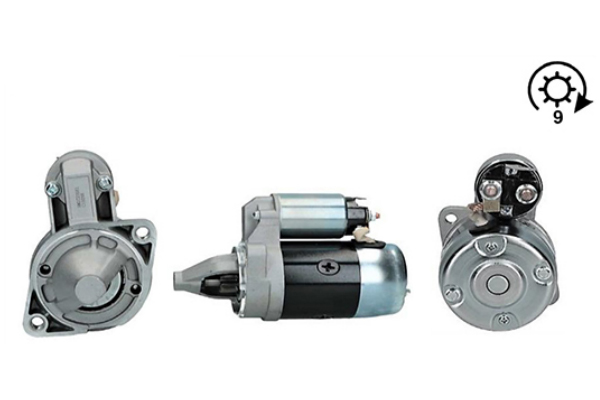 MITSUBISHI Starter Motors
OEM NO: M3T12572, MD001553, JS351
ENGINE: 4G32
DESCRIPTION: 9T, 12V, 0.9KW / 2(2)
APPLICATION:
MITSUBISHI CANTER 2000
MITSUBISHI LANCER 1200,1400,1600
MITSUBISHI GALANT 1600, 1,6 (A12) -
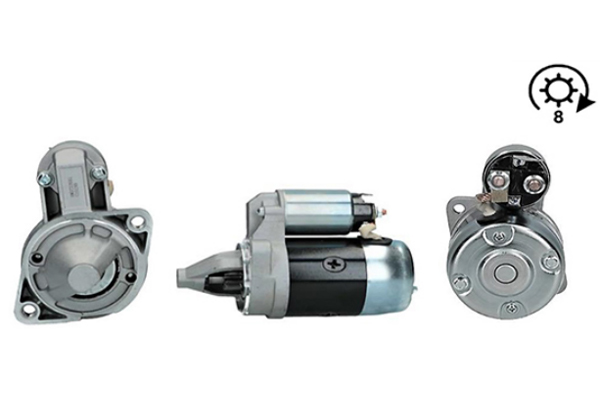 MITSUBISHI Starter Motors
OEM NO: JS1003, M2T49881, M3T43381, MD161437, MD192227
ENGINE: 4G93,4G16,4G12,4G15,4G11
DESCRIPTION: 8T, 12V, 0.9KW / 2(2)
APPLICATION:
MITSUBISHI GALANT 1600,1850 (A121, 161, 164)
MITSUBISHI 1600 (A73)
MITSUBISHI CELESTE 1400,1600
MITSUBISHI SAPPORO 1600,2000,2000i TURBO -
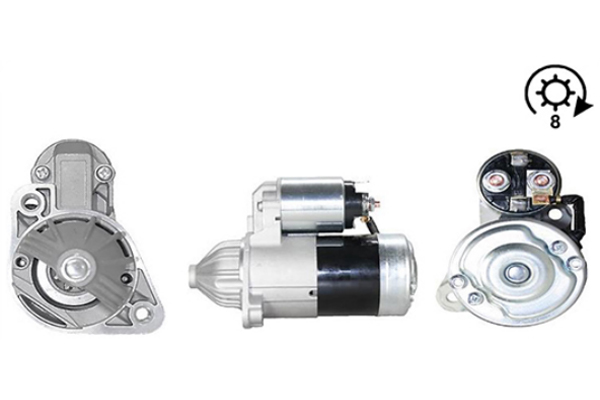 MITSUBISHI Starter Motors
OEM NO: M1T71382, MD136933, MD309471, MD313327
ENGINE: 6G73,6G72,6G74
DESCRIPTION: 8T, 12V, 1.2KW / 2(2)
APPLICATION:
MITSUBISHI GALANT 2.5i 24V (E88A),
2.5 V6 24V (E88)
MITSUBISHI PAJERO III 3.5 GDi (V60)
MITS SIGMA 3.0 V6 24V (F16A), 3.0i V6 (F16A) -
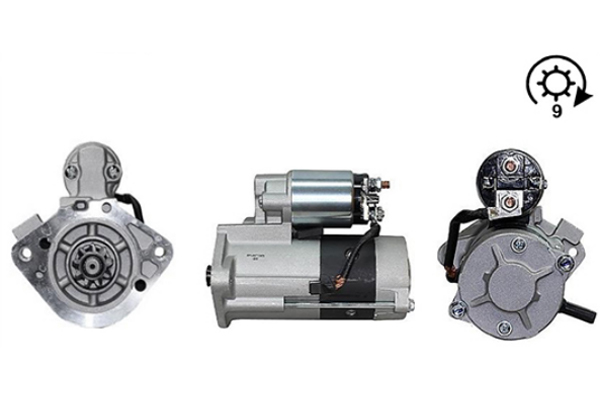 MITSUBISHI Starter Motors
OEM NO: M8T75971, M8T76171, ME193061, ME193880
ENGINE: 4P10,4M42‑T
DESCRIPTION: 9T, 12V, 2.2KW / 2(2)
APPLICATION:
MITSUBISHI TRUCK CANTER 3.0 Di TD -
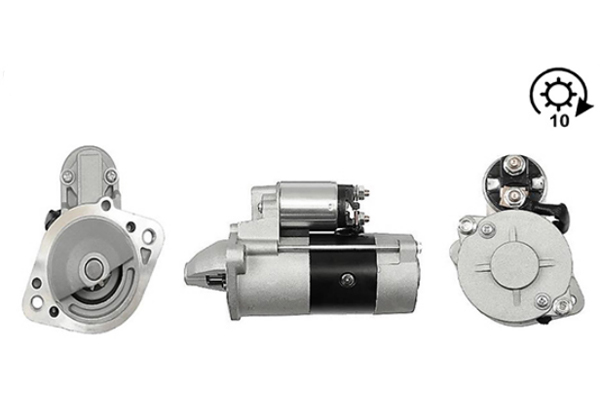 MITSUBISHI Starter Motors
OEM NO: M2T88071, M2T87171, MD344183
ENGINE: 4D56,4D68,4D56T
DESCRIPTION: 10T, 12V, 2.2KW / 2(2)
APPLICATION:
MITSUBISHI STORM,PAJERO 2.5 TD,(MANUAL),
2.5 TD SPORT K9
MITSUBISHI L200 2.5 TD (K74T), 2.5 TD 4WD -
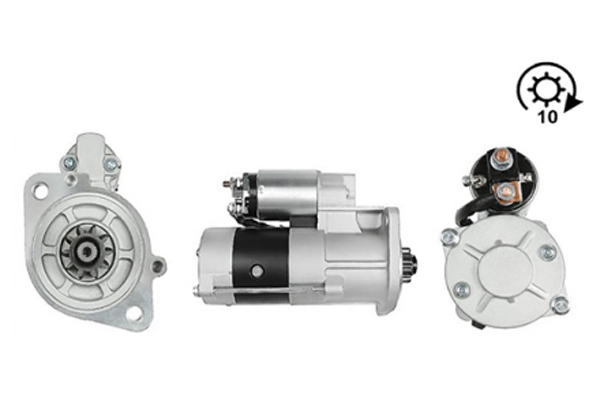 MITSUBISHI Starter Motors
OEM NO: 32A6610101, 32A660600, 32A6620601,M2T62271, M8T75171
ENGINE: S4S,4DQ,S4Q2
DESCRIPTION: 10T,12V,2.2KW / 2(0)
APPLICATION:
MITSUBISHI FORKLIFT VARIOUS MODELS -
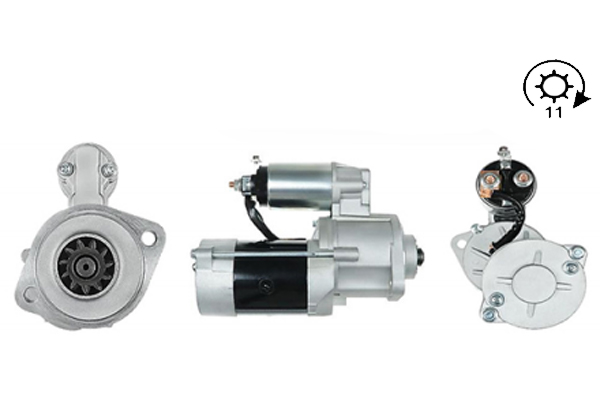 MITSUBISHI Starter Motors
OEM NO: M002T65271, M003T54072, M005T27671, LRS01842
ENGINE: S4E:
DESCRIPTION: 11T,24V,3.2KW / 2(0)
APPLICATION:
MITSUBISHI FORKLIFT FD20, FD23, FD25: : -
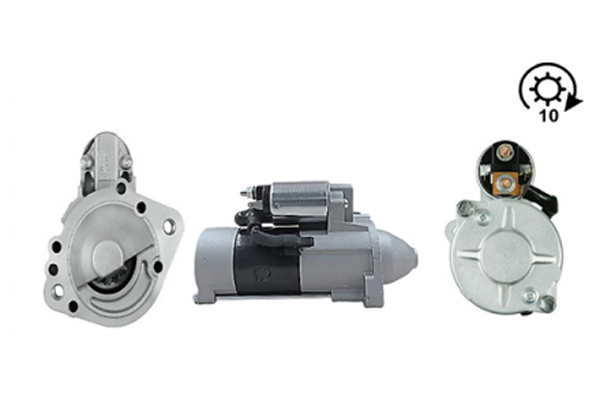 MITSUBISHI Starter Motors
OEM NO: MD312858, 1810A053, M002T84071, STR7040, M002T87072ZT, M002T88271, MD348221
ENGINE: 4D68T,4D55T,4D65T,4D55,4D68,4D65
DESCRIPTION: 10T,12V,2.2KW / 2(2)
APPLICATION:
MITSUBISHI STORM(AUTO),WAGEN
DELICA, PAJERO, SPACE RUNNER, L300 -
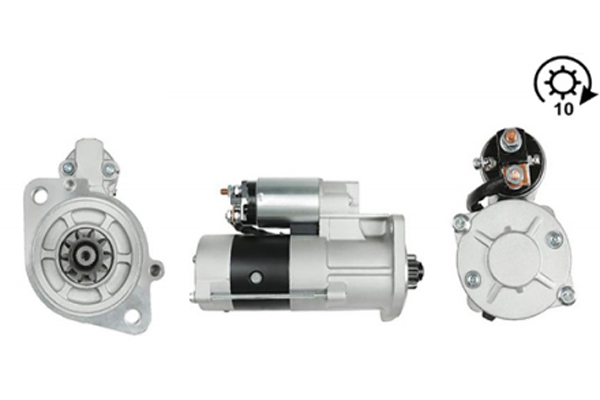 MITSUBISHI Starter Motors
OEM NO: M003T58771, M8T60371, M8T60374, LRS02199
ENGINE: S6S
DESCRIPTION: 10T,24V,2.2KW / 2(0)
APPLICATION:
MITSUBISHI FORKLIFT FD50C, FD35D2, FD45D
CATERPILLAR FORKLIFT DP40 -
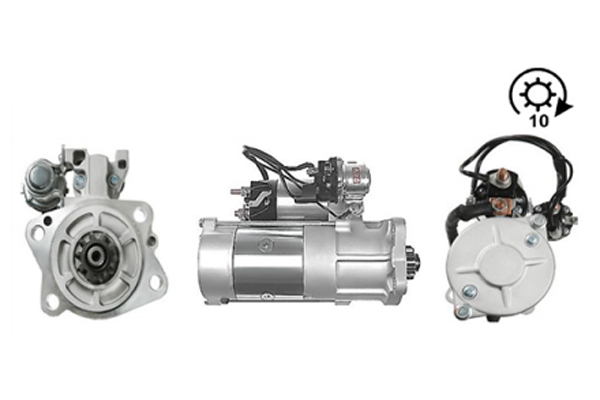 MITSUBISHI Starter Motors
OEM NO: M8T60371, M8T60372, 32B6600202, M3T58771
ENGINE: S6E
DESCRIPTION: 10T,24V,5.0KW / 4(0)
APPLICATION:
CATERPILLAR FORKLIFT
MITSUBISHI FORKLIFT DP40, FD350, FD38, FD40D, FD45D, FD50C -
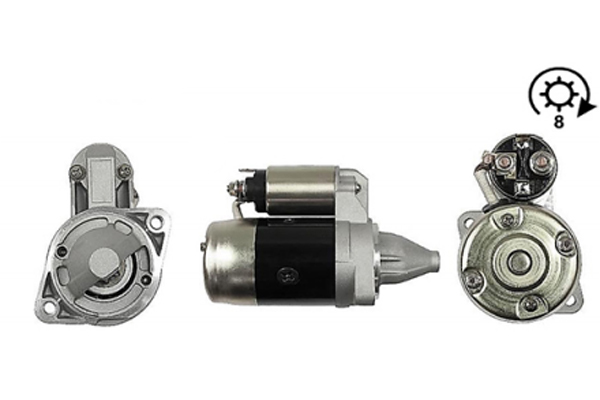 MITSUBISHI Starter Motors
OEM NO: MD034120, JS350, M00T44081, STR3561
ENGINE: 4G63,4G64,4G54,4G13,4G32
DESCRIPTION: 8T,12V,0.9KW / 2(2)
APPLICATION:
LANCER, CELESTE, PAJERO, GALANT, COLT, L200 -
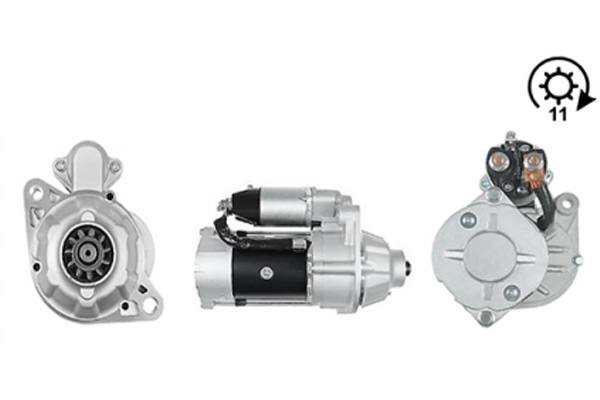 MITSUBISHI Starter Motors
OEM NO: M3T56071, M003T56084, M003T56072, ME077408
ENGINE: 6D10, 6D14
DESCRIPTION: 11T,24V,4.5KW / 2(1)
APPLICATION:
MITSUBISHI FUSO 6.9L
MITSUBISHI FORKLIFT VARIOUS MODEL -
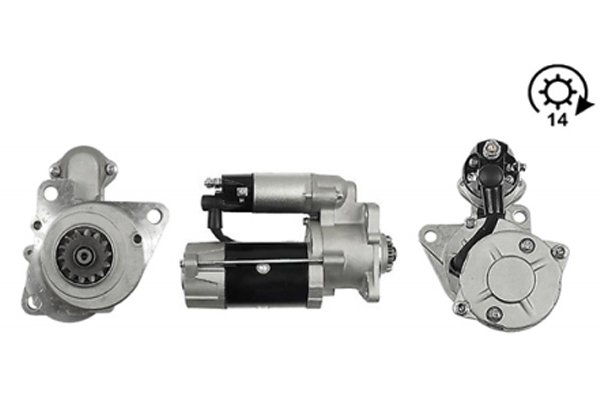 MITSUBISHI Starter Motors
OEM NO: M3T57575, ME019911, M008T60271A, LRS01920
ENGINE: 4D30,4D31,4D32,(Cummins)6BT5.9
DESCRIPTION: 14T,24V,5.5KW / 3(0)
APPLICATION:
KOBELCO SK210‑IV
MITSUBISHI Various Models -
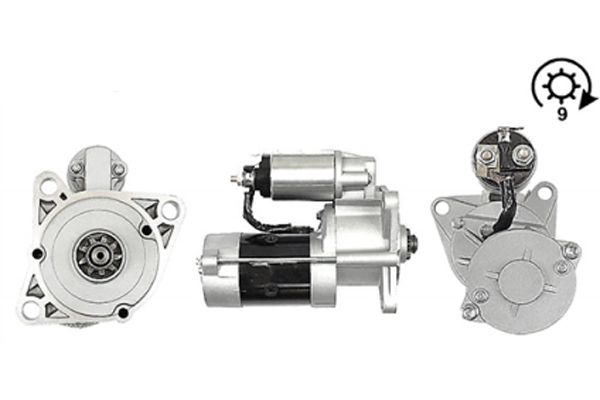 MITSUBISHI Starter Motors
OEM NO: ME017004, M2T64271, M2T64272, ME017001
ENGINE: 4DR5,4D30A,4D30
DESCRIPTION: 9T,24V,3.2KW / 3(0)
APPLICATION:
MITSUBISHI CANTER 3.3 FE211 -
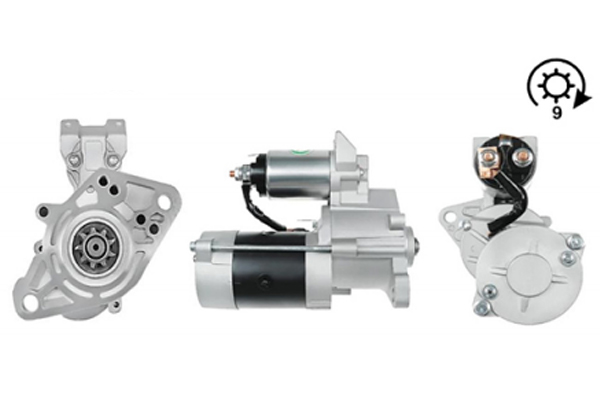 MITSUBISHI Starter Motors
OEM NO: M002T66871,M002T66881,M002T67881,ME017036
ENGINE: 4D30,4D31T,4D34‑2AT4
DESCRIPTION: 9T,24V,3.2KW / 4(2)
APPLICATION:
MITSUBISHI CANTER 211 DIESEL 1993
MITSUBISHI CANTER 444 DIESEL 1987
MITSUBISHI CANTER 60 3.9 TD 1996 -
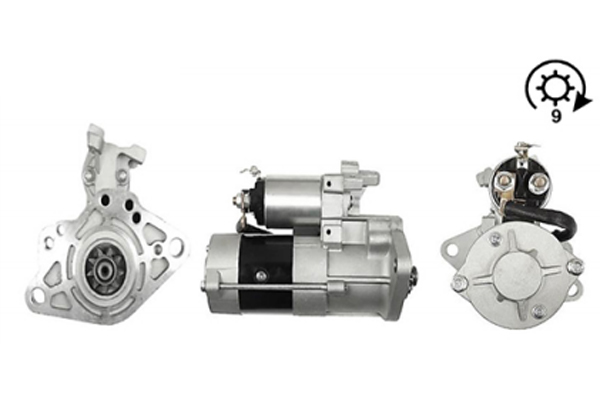 MITSUBISHI Starter Motors
OEM NO: M8T80071A, ME017646, JS1354, ME012994
ENGINE: 4D34‑2AT4,4D34,4D31
DESCRIPTION: 9T,24V,3.2KW / 2(1)
APPLICATION:
MITSUBISHI CANTER 75 3.9 TD
MITSUBISHI CANTER 60 3.9 TD
MITSUBISHI FUSO CANTER FE507
MITSUBISHI CANTER 444 -
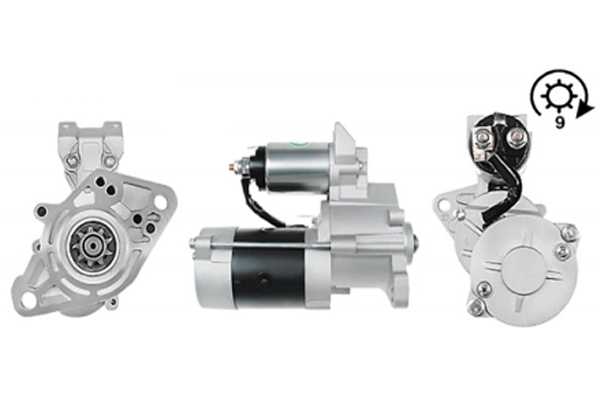 MITSUBISHI Starter Motors
OEM NO: M002T61771, ME001565, STR6036, M2T61771
ENGINE: 4DR7
DESCRIPTION: 9T,12V,2.0KW / 2(0)
APPLICATION:
MITSUBISHI GALLOPER II 3.0i V6
MITSUBISHI GALLOPER II 2.5 TD
MITSUBISHI FUSO CANTER 2.8D -
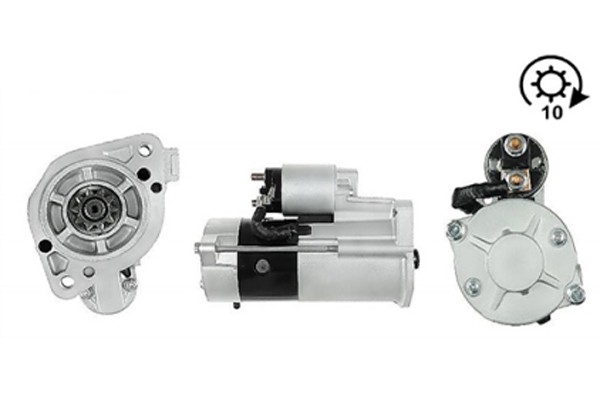 MITSUBISHI Starter Motors
OEM NO: ME201650, M8T75071, M2T63271, ME204424A
ENGINE: 4M40,4M41,4M40‑A,4M40‑2AT
DESCRIPTION: 10T,12V,2.2KW / 2(2)
APPLICATION:
MITSUBISHI CANTER 35 2.8 DIESEL
MITSUBISHI PAJERO 2.8 TDi, 3.2 TDi, 2.8 TD (V46W),
MITSUBISHI PAJERO III 3.2 Di‑D (V60) -
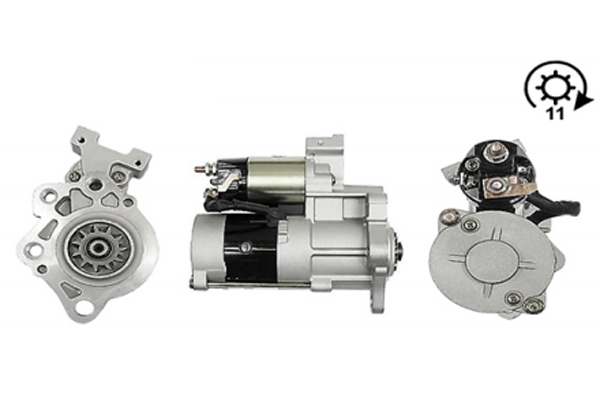 MITSUBISHI Starter Motors
OEM NO: M8T85271, M8T85271B, ME241622, M8T85271B
ENGINE: 4M50,4M51,4M50T,4M50T3,4M50T1
DESCRIPTION: 11T,24V,3.7KW / 4(3)
APPLICATION:
MITSUBISHI FUSO CANTER FE50E, FE512, FE51E,FE52E, FE69E, FE70D, FE82E -
MITSUBISHI Starter Motors
OEM NO: M8T85271, M8T85271B, ME241622, M8T85271B
ENGINE: 4M50,4M51,4M50T,4M50T3,4M50T1
DESCRIPTION: 11T,24V,3.7KW / 4(3)
APPLICATION:
MITSUBISHI FUSO CANTER FE50E, FE512, FE51E,FE52E, FE69E, FE70D, FE82E
Our Company is China MITSUBISHI Starter Motors Suppliers and MITSUBISHI Starter Motors Manufacturers, Founded in 1997, Mengyang Motor Group specializes in DC, AC, and brushless motor solutions and serves as a professional motor manufacturer for the global market.
Innovation is both our goal and our legacy. We are certified to UL, CE, IATF 16949, and RoHS, delivering stable and reliable quality that meets international standards.
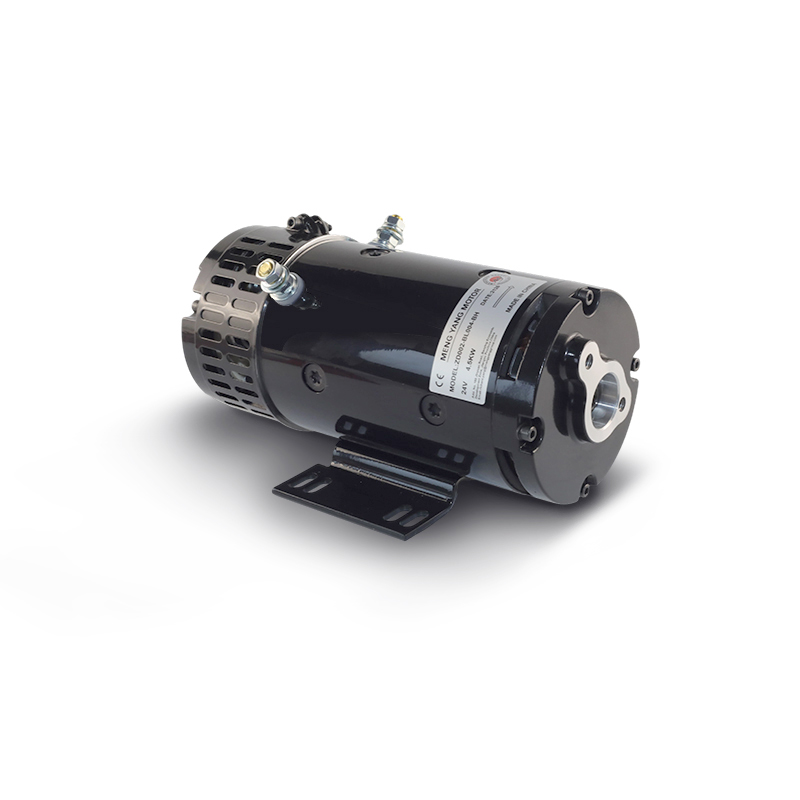
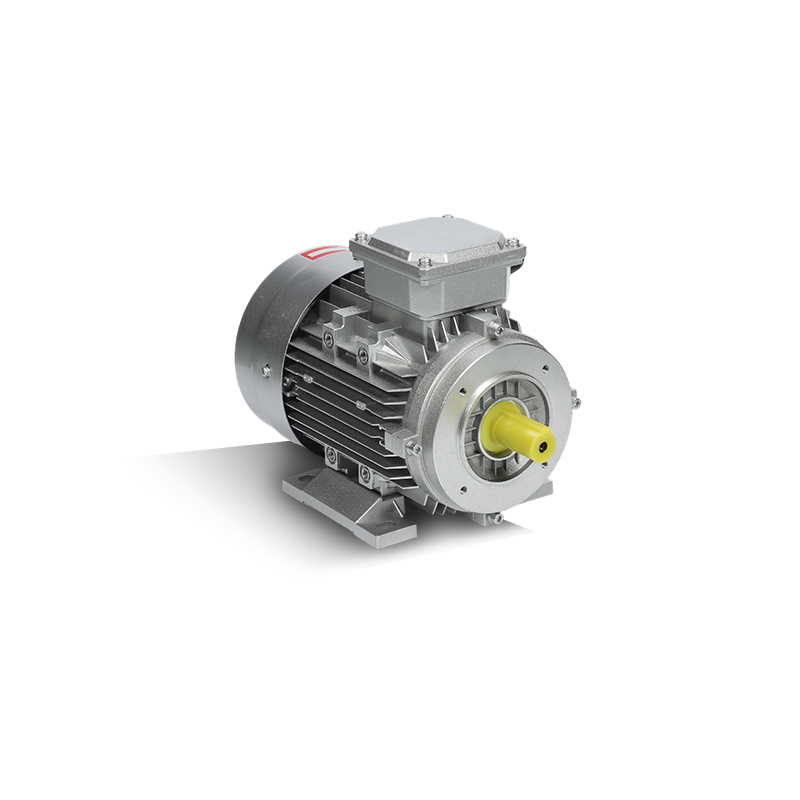
How Do MITSUBISHI Starter Motors Enhance Starting Performance in Challenging Vehicle Environments?
The Critical Role of Starter Motors in Automotive Power Systems
The starter motor is a fundamental component in vehicle electrical systems, responsible for initiating engine operation by converting electrical energy into mechanical power. Before an engine can operate independently, it requires sufficient external torque to overcome internal resistance and reach the required rotation speed. Therefore, the reliability of a starter motor directly affects vehicle availability and operational efficiency.
MITSUBISHI Starter Motors are widely recognized for their stable performance, compact design, and reliable starting capability. These motors are designed to provide consistent engine activation across different operating environments, making them suitable for various automotive and equipment applications.
A modern starter motor needs to achieve several performance goals simultaneously. It must generate high starting torque, maintain efficient electrical conversion, withstand repeated operating cycles, and operate reliably under temperature fluctuations and mechanical stress. These requirements make motor structure and manufacturing quality extremely important.
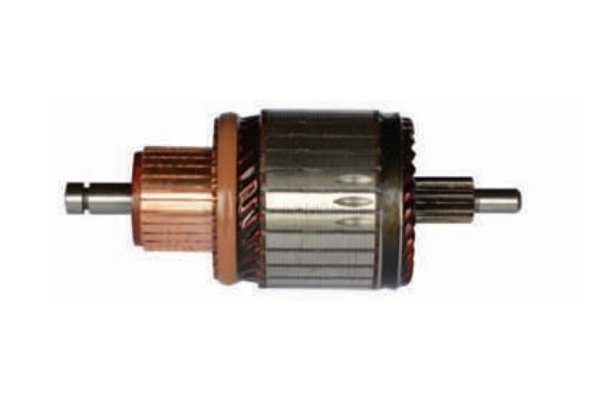
The internal structure of a starter motor includes multiple precision components, such as the armature, field system, solenoid switch, pinion gear, bearings, and housing assembly. The armature converts electrical energy into rotational movement, while the solenoid controls the engagement between the starter motor and the engine flywheel. The drive gear transfers mechanical force, ensuring that the engine can begin rotation smoothly.
For vehicles used in demanding conditions, starter motor reliability becomes even more important. Commercial vehicles, transportation equipment, agricultural machinery, and construction vehicles often require frequent or high-load starting operations. A dependable starter motor can help reduce operational interruptions and improve equipment efficiency.
MITSUBISHI Starter Motors are developed with attention to power output, structural durability, and application adaptability. Their design characteristics make them suitable for systems that require stable starting performance and long-term operation.
| MITSUBISHI Starter Motor Feature | Technical Description | Application Value |
| Reliable Torque Output | Provides sufficient force for engine startup | Improves starting success rate |
| Compact Structure | Optimized internal arrangement | Supports flexible equipment integration |
| Durable Mechanical Design | Resists repeated starting stress | Extends operating life |
| Efficient Electrical Performance | Improves energy conversion efficiency | Reduces battery load |
Why Are Starting Stability and Service Life Important for Starter Motor Applications?
A starter motor is not used continuously like many other vehicle components, but each operation places significant electrical and mechanical stress on the system. A motor that can provide stable starting performance over thousands of cycles is essential for maintaining vehicle reliability.
Starting stability mainly depends on torque output, electrical performance, and mechanical coordination. When the starter motor operates, it must quickly generate enough force to rotate the engine. Any delay or instability may affect the startup process and increase stress on related components.
Service life is another major consideration. Starter motors often operate under demanding conditions, including high current loads, vibration, temperature changes, and frequent engagement cycles. Components such as gears, bearings, and electrical contacts need excellent wear resistance to maintain performance.
A high-quality starter motor helps reduce maintenance frequency and supports longer equipment operation. This is particularly important for vehicles and machines where unexpected downtime can affect productivity.
When selecting a starter motor, it is necessary to evaluate not only initial performance but also long-term reliability. Factors such as material quality, manufacturing precision, heat management, and structural design all contribute to overall durability.
Key Factors Influencing Starter Motor Reliability
| Reliability Factor | Main Consideration | Performance Effect |
| Torque Capability | Ability to overcome engine resistance | Ensures smooth startup |
| Component Strength | Resistance to mechanical stress | Improves service life |
| Thermal Management | Controls heat during operation | Supports stable performance |
| Electrical Efficiency | Optimizes power usage | Reduces system energy loss |
How Does Jiangsu Mengyang Motor Manufacture Co. Ltd. Build Reliable Starter Motor Solutions?
Producing dependable starter motors requires comprehensive capabilities in motor engineering, manufacturing technology, component processing, and quality management. Every production step influences the final performance and reliability of the product.
Founded in 1997, Jiangsu Mengyang Motor Manufacture Co. Ltd. specializes in the research, development, and production of DC motors, AC motors, and brushless DC motors. With years of experience in motor manufacturing, the company has developed integrated capabilities covering engineering design, production management, and product delivery.
The company operates a modern manufacturing facility covering approximately 70,000 m² with more than 300 employees. Supported by professional technical teams and an established manufacturing system, Jiangsu Mengyang Motor Manufacture Co. Ltd. focuses on providing stable and reliable motor solutions for different applications.
By combining engineering expertise with strict quality control processes, Jiangsu Mengyang Motor Manufacture Co. Ltd. continues improving motor performance, manufacturing consistency, and application adaptability.
What Technical Factors Should Be Evaluated When Applying MITSUBISHI Starter Motors to Different Equipment Systems?
How Do Vehicle Characteristics Affect Starter Motor Selection?
Choosing a suitable starter motor requires a detailed analysis of the vehicle or equipment characteristics. Different applications have different requirements regarding starting torque, voltage compatibility, operating frequency, and environmental resistance.
Engine size is one of the primary factors affecting starter motor selection. Larger engines usually require stronger starting torque because they have greater internal resistance during startup. Selecting a motor with suitable output characteristics helps ensure efficient engine activation.
The electrical system specification must also match the starter motor requirements. Voltage compatibility, current capacity, and electrical connection design influence whether the motor can operate effectively.
Operating conditions are equally important. Vehicles working in cold climates require motors capable of maintaining starting performance at low temperatures. Equipment operating in dusty or humid environments requires stronger protection and durability.
MITSUBISHI Starter Motors can be evaluated according to different application requirements to ensure suitable performance matching.
| Selection Factor | Evaluation Point | Importance |
| Engine Requirement | Determines required starting torque | Ensures sufficient startup power |
| Voltage Specification | Matches electrical system parameters | Guarantees stable operation |
| Working Environment | Includes temperature and operating conditions | Affects product durability |
| Operating Frequency | Defines usage intensity | Influences component lifespan |
How Do Internal Components Determine the Performance of Starter Motors?
The performance of a starter motor depends on the coordinated operation of multiple internal components. Each part has a specific function and contributes to overall efficiency and reliability.
The armature is the core rotating component responsible for converting electrical energy into mechanical movement. Its design accuracy affects output power and operational stability.
The solenoid switch controls the electrical connection and mechanical engagement process. A reliable solenoid ensures fast and accurate starter activation.
The pinion gear transfers the motor’s torque to the engine flywheel. Precision gear manufacturing helps reduce wear, noise, and mechanical impact.
The bearing system supports rotating components and minimizes friction. High-quality bearings contribute to smoother operation and longer service life.
Main Starter Motor Components
| Component | Function | Performance Influence |
| Armature | Produces rotational movement | Affects output efficiency |
| Solenoid Switch | Controls engagement process | Improves starting response |
| Pinion Gear | Transfers mechanical force | Influences durability |
| Bearing System | Supports rotating structure | Reduces friction and vibration |
Why Is Quality Management Essential in Starter Motor Manufacturing?
Starter motors must maintain stable performance throughout their service life, making manufacturing quality control extremely important. Precision manufacturing, accurate assembly, and comprehensive testing directly affect product reliability.
Professional motor production requires strict management of raw materials, component processing, assembly procedures, and final performance verification. These processes help ensure consistent performance between different production batches.
A complete quality management system also allows manufacturers to identify potential problems early and improve product reliability before practical application.
Jiangsu Mengyang Motor Manufacture Co. Ltd. emphasizes manufacturing quality through systematic production management and engineering improvement. By combining advanced manufacturing methods with technical experience, the company provides reliable motor products designed for demanding applications.
How Can Innovation in Starter Motor Manufacturing Improve Future Automotive System Development?
Why Are Lightweight and Efficient Starter Motors Becoming More Valuable?
Automotive systems are continuously developing toward improved efficiency, lower energy consumption, and enhanced reliability. These trends are creating new challenges and opportunities for starter motor technology.
Modern starter motors need to provide strong starting performance while reducing weight and improving energy efficiency. Optimized electromagnetic structures, improved materials, and advanced manufacturing processes help achieve these goals.
For vehicles with frequent startup cycles, durability becomes increasingly important. Starter motors must withstand more operating cycles while maintaining stable performance.
Efficient starter motor technology contributes to better vehicle reliability and supports the development of advanced automotive systems.
| Innovation Direction | Technical Improvement | Application Benefit |
| Weight Reduction | Optimized structural design | Improves installation flexibility |
| Efficiency Improvement | Enhanced electromagnetic performance | Reduces energy consumption |
| Durability Enhancement | Improved materials and manufacturing | Extends service life |
| Performance Testing | Advanced inspection methods | Improves product consistency |
Why Does Manufacturing Experience Influence Starter Motor Performance?
Motor manufacturing requires knowledge of electrical engineering, mechanical design, production technology, and quality management. Experienced manufacturers can better understand practical application requirements and develop reliable solutions.
Since 1997, Jiangsu Mengyang Motor Manufacture Co. Ltd. has focused on motor research and production. The company specializes in DC motors, AC motors, and brushless DC motors, supported by professional engineering capabilities and a complete manufacturing framework.
With a modern production facility of approximately 70,000 m² and more than 300 employees, Jiangsu Mengyang Motor Manufacture Co. Ltd. continues improving its technology, manufacturing processes, and quality systems.
Through continuous innovation and professional manufacturing management, the company provides dependable motor solutions for applications requiring stable operation and long-term reliability.
Future Trends in Automotive Starter Motor Technology
Future starter motor development will focus on higher efficiency, improved durability, compact structures, and stronger adaptability to advanced vehicle electrical systems.
As automotive technology continues evolving, starter motors will remain an essential component in ensuring reliable engine operation. Manufacturers with strong engineering and production capabilities will continue supporting the development of more efficient and dependable motor solutions.
FAQ About MITSUBISHI Starter Motors
Q1: What is a MITSUBISHI Starter Motor?
A MITSUBISHI Starter Motor is an automotive motor component that converts electrical energy into mechanical rotation to start an engine.
Q2: What are the advantages of MITSUBISHI Starter Motors?
They provide stable starting performance, reliable torque output, durable construction, and efficient operation.
Q3: Where are starter motors commonly used?
Starter motors are widely applied in vehicles, transportation equipment, agricultural machinery, construction equipment, and industrial systems.
Q4: What factors affect starter motor selection?
Important factors include engine requirements, voltage specifications, operating conditions, torque needs, and usage frequency.
Q5: Why choose Jiangsu Mengyang Motor Manufacture Co. Ltd. for starter motor solutions?
Jiangsu Mengyang Motor Manufacture Co. Ltd. has professional motor manufacturing experience, advanced production capabilities, and integrated engineering systems to provide reliable motor solutions.

Copyright © 2026 by Jiangsu Mengyang Motor Manufacture Co. Ltd. Rights Reserved.
