 English
 中文简体
中文简体 русский
 Français
 Español
 عربى
عربى
FORD Alternator Suppliers
-
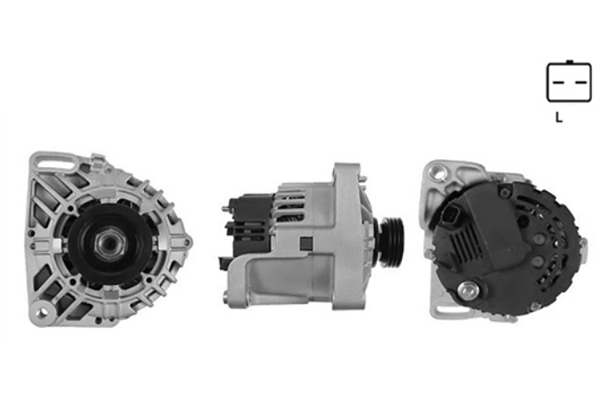 FORD Alternator
OEM NO: 7711134753
ENGINE: D4F706
DESCRIPTION: 95Amp/12 Volt, IR/IF‑3PK
APPLICATION:
PROTON SAVVY 1.2L -
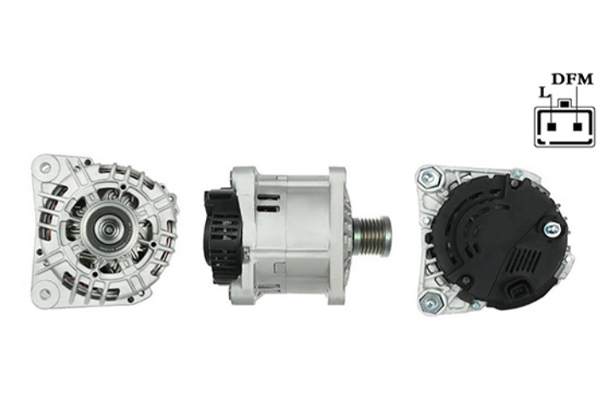 FORD Alternator
OEM NO: SG12B017,SG12B071,SG12B096,SG12B110,PW810089
ENGINE: D4192T, F4R720, F4R722, F9Q762, G9T772
DESCRIPTION: 125Amp/12 Volt, CW, IR/IF / 4PK
APPLICATION:
CARISMA 1900 '02‑04, SPACE STAR 1900 '02‑'06
MICRA1500, DCI 2002‑2010
INTERSTAR 1900 2002‑2010
PROTON WAJA 1.8I -
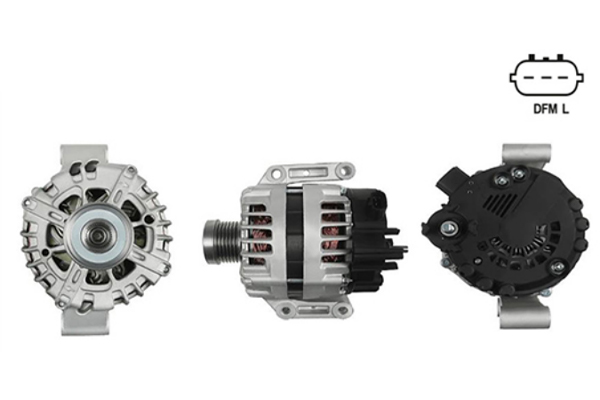 FORD Alternator
OEM NO: FGN12S098,FG12S098
ENGINE:
DESCRIPTION: 130Amp/12 Volt /6PK
APPLICATION:
PROTON X70 -
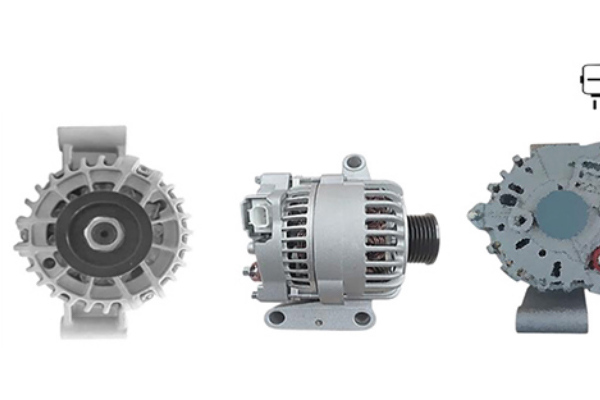 FORD Alternator
OEM NO: 1L8U‑10300‑CD, 1L8U‑10300‑CE, 1L8Z‑10346‑CB, J03‑18‑300A, AJ11‑18‑300B
ENGINE: AJ, EP, AT, IEZ, IN2
DESCRIPTION: 110 Amp/12 Volt, CW,IR/IF‑6PK
APPLICATION:
FORD MAVERICK 3000, V6 24V 2001‑2003
MAZDA TRIBUTE V6 3.0L 183cid 2004 -
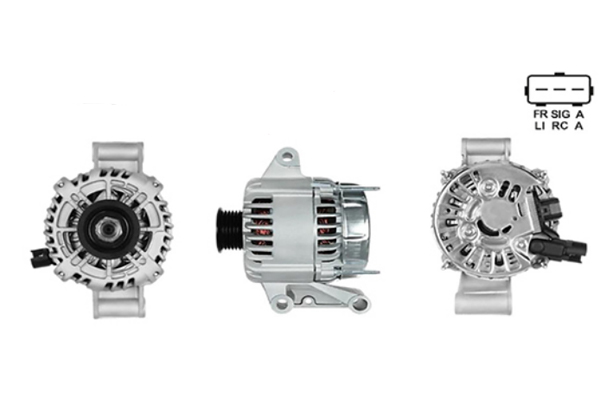 FORD Altemator
OEM NO: 1S7T10300BC, 1S7T10300DC, 1S7T-10300-DD, 1S7T-10300-DB, 1S7T-10300-DE, 1S7T-10300-DF
ENGINE: CGBA, CGBB, CHBA, CHBB, CJBA, CJBB, D6BA, HJBB, HJBC, D5BA, LCBD
DESCRIPTION: 115Amp/12Volt, IR/IF-6PK
APPLICATION:
FORD MONDEO III 1.8 16V, 1.8 Sci, 2.0 16V, 2.0 TDC -
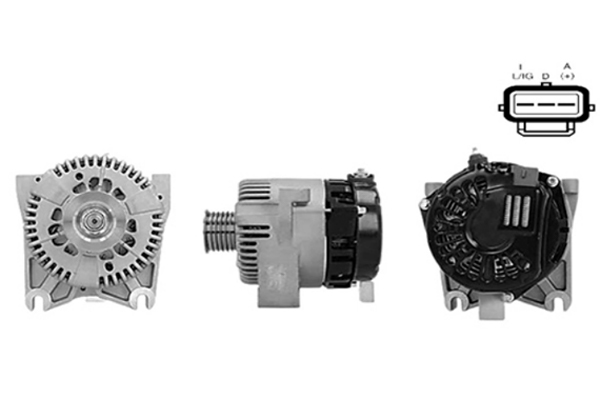 FORD Altemator
OEM NO: F6LU10300CD, F6LU10300CA, 1L3T10300AB, F6ZU10300BG, F6ZU10300BB, 2L3Z10346AA
ENGINE:
DESCRIPTION: 130A /12 Volt, IR/IF-6PK
APPLICATION:
FORD CROWN VICTORIA V8 4.6 1996-1998,
MUSTANG 4.6 1996-1999 -
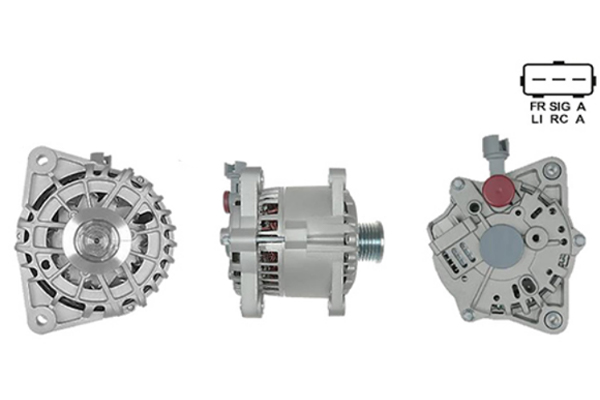 FORD Altemator
OEM NO: 1L8Z10346AB, 1L8U10300AB, 98AZ10346EN, 1L8U10300BB, 98AZ10346EA, 1L8U10300AC
ENGINE: L4, YF
DESCRIPTION: 110Amp/12 Volt, IR/IF-6PK
APPLICATION:
FORD FOCUS 2.0
FORD LT TRUCK ESCAPE 2.0
FORD Maverick 2.0 16V -
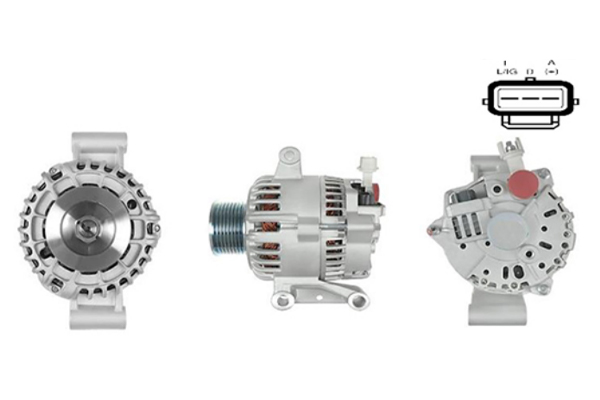 FORD Altemator
OEM NO: F81U-10300-CC, F81U-10300-CE, F81Z-10346-CA, F81U10300CD,F81UCC,F81UCD
ENGINE: -
DESCRIPTION: 110 Amp/12 Volt, IR/IF-8PK
APPLICATION:
FORD TRUCK F-450/F-550 SUPER DUTY V8 7.3 DIESEL 1999-2001
FORD VAN ECONOLINE SUPER DUTY V8 7.3 -
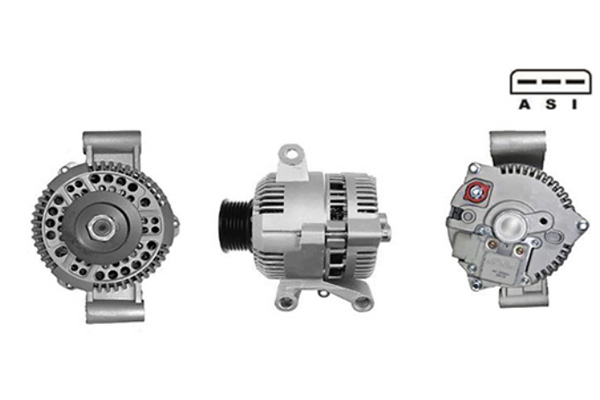 FORD Altemator
OEM NO: F6PZ10346CA, F77U10300BB, 1F20-18-300, GL308
ENGINE: -
DESCRIPTION: 95 Amp/12 Volt, IR/IF-6PK
APPLICATION:
FORD AEROSTAR V6 3.0L
FORD VAN AEROSTAR V6 4.0L
FORD VAN E-250 ECONOLINE V8 5.8L
FORD RANGER V6 3.0L, L4 2.3L -
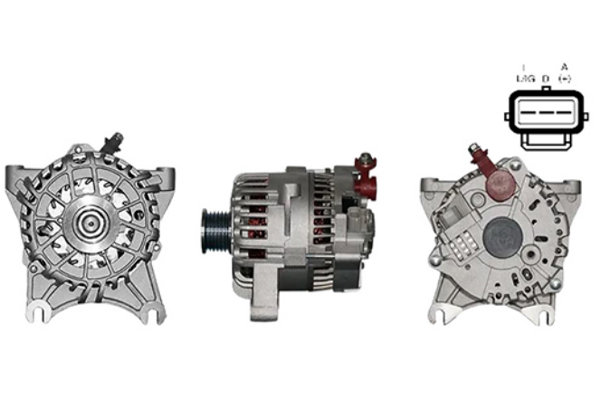 FORD Altemator
OEM NO: XR3U10300AC, XR3U10300AA, XR3Z10346AA
ENGINE: D4EA, D4EA-F, D4EB
DESCRIPTION: 105 Amp/12 Volt, IR/IF-6PK
APPLICATION:
FORD MUSTANG V8 4.6L 1999-2004 -
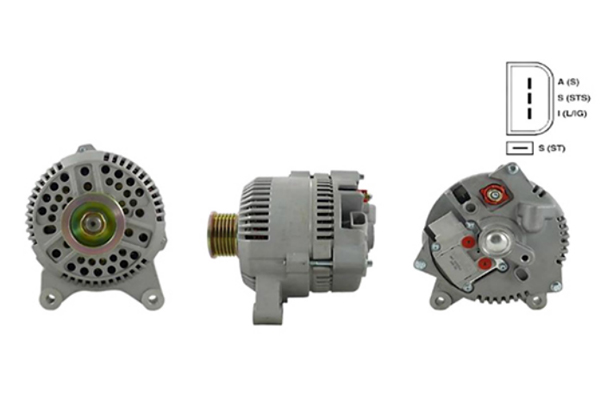 FORD Altemator
OEM NO: GL-351-RM, GL-485-RM, GL-373-RM, F6AU10300AB
ENGINE: -
DESCRIPTION: 130 Amp/12 Volt, IR/IF-6PK
APPLICATION:
FORD MUSTANG 4.6 1996-1998
FORD CROWN VICTORIA 4.6 1995-1999
FORD THUNDERBIRD 4.6 1995-1997 -
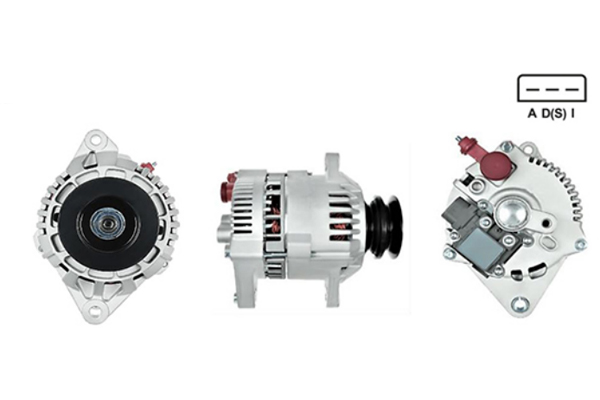 FORD Altemator
OEM NO: WL81-18-300, F8RU-10300-BA, DRA4233,0986080390
ENGINE: WL, WL-T
DESCRIPTION: 75Amp/12 Volt, IR/IF-2V
APPLICATION:
FORD RANGER 2.5D 1999-2002
FORD Ranger 2.5 TD 4x4 -
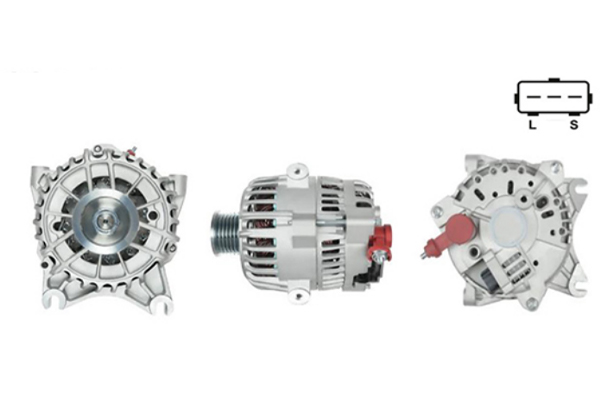 FORD Altemator
OEM NO: GL407,F8AU-10300-AC,4U2Z-10V34-6APRM,F8AUAD
ENGINE: -
DESCRIPTION: 135AMP,12Volt, IR/IF-6PK
APPLICATION:
FORD Crown Victoria 4.6
MERCURY Grand Marquis V8 4.6L (98-98)
LINCOLN Town Car V8 4.6L (98-02)
Our Company is China FORD Alternator Suppliers and FORD Alternator Manufacturers, Founded in 1997, Mengyang Motor Group specializes in DC, AC, and brushless motor solutions and serves as a professional motor manufacturer for the global market.
Innovation is both our goal and our legacy. We are certified to UL, CE, IATF 16949, and RoHS, delivering stable and reliable quality that meets international standards.
-
By: Mengyang Motor
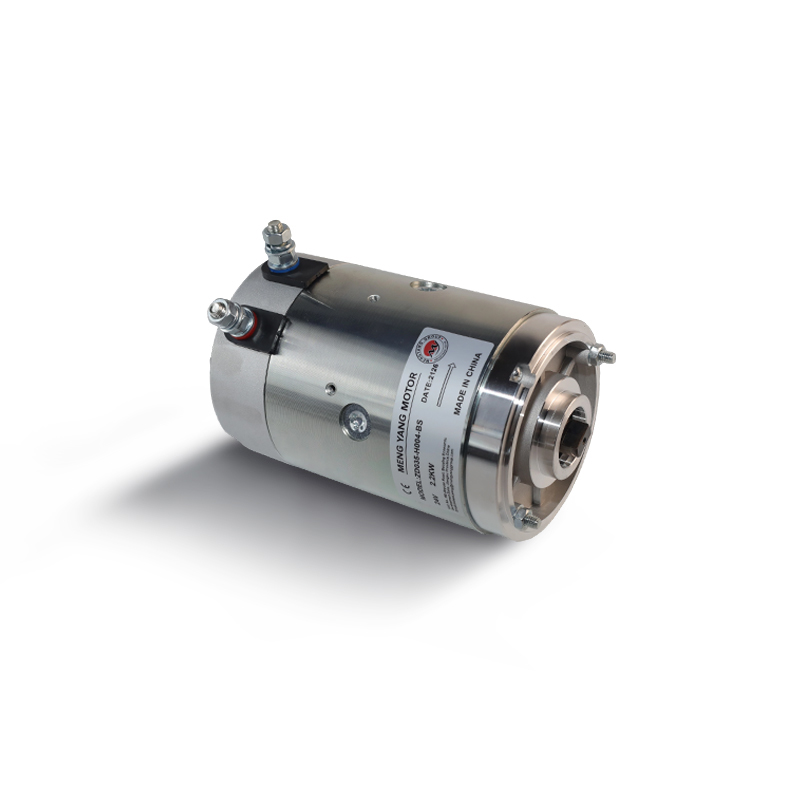 How Can Electric Motor Optimization Improve Performance and Efficiency?
VIEW more
How Can Electric Motor Optimization Improve Performance and Efficiency?
VIEW more
1. What Makes a Ford Alternator Reliable Enough for High-Mileage Fleet Use?
Fleet operators and parts distributors rarely ask about an alternator's price alone — the first question is almost always whether it can survive the duty cycle it will actually see in the field. Ford vehicles span a wide range of applications, from light passenger cars to heavy-duty pickups and commercial vans that operate long hours with frequent stop-start cycles. Reliability under these conditions depends on several interrelated engineering factors, not on any single specification.
Thermal Management Under Continuous Load
Commercial and fleet vehicles frequently run alternators at near-maximum output for extended periods, particularly when supporting auxiliary electrical loads such as refrigeration units, lighting rigs, or telematics systems. Effective heat dissipation design in the housing and rectifier assembly is one of the most important — and most overlooked — factors in long-term reliability, since sustained heat is the leading cause of premature diode and winding failure.
Bearing Durability Across Duty Cycles
Because Ford alternators operate across a wide RPM range, bearing selection and lubrication design must accommodate both low-speed idle charging and sustained highway-speed rotation. Suppliers who test bearings under simulated duty cycles — rather than relying solely on static load ratings — are better positioned to deliver consistent field performance.
Vibration and Mounting Tolerance
Commercial vehicles, in particular, subject alternators to significant vibration loads. Mounting bracket precision and rotor balancing directly affect both noise levels and long-term bearing life, and should be part of any supplier's quality checklist.
Charging Consistency at Idle
Many fleet applications — delivery vans, service trucks — spend significant time idling with auxiliary equipment running. A well-designed alternator maintains stable output even at low idle RPM, protecting battery health and reducing the risk of no-start events that lead to costly roadside service calls.
| Reliability Factor | Why It Matters for Fleet Buyers | What to Ask Suppliers |
|---|---|---|
| Thermal Management | Prevents premature diode/winding failure under sustained load | Heat dissipation test data at rated output |
| Bearing Durability | Determines service life across RPM range | Simulated duty-cycle test results |
| Vibration Tolerance | Affects noise and long-term mounting integrity | Rotor balancing and bracket tolerance specs |
| Idle Charging Stability | Reduces no-start and battery drain incidents | Output curve at idle RPM |
2. Which Certifications and Test Reports Should You Require Before Approving a Supplier?
For procurement and quality teams, the second recurring question is what documentation actually proves a supplier's claims. This is especially important when qualifying a new Ford alternator supplier for a multi-year contract, since verbal assurances or generic datasheets are not sufficient for audit purposes or for managing warranty risk across large shipment volumes.
Electrical Performance Verification
Buyers should request bench test reports showing rated output, voltage regulation accuracy, and ripple performance under simulated automotive electrical loads. These reports should be compared directly against Ford OE specification ranges rather than accepted at face value from a datasheet alone.
Material and Component Certification
Copper wire grade, insulation class, and bearing manufacturer traceability are all details that a serious supplier should be able to document on request. Component-level certification is particularly important for the rectifier diodes and voltage regulator, since these are among the most common failure points reported in the field.
Environmental and Durability Testing
Salt spray testing, thermal cycling, and IP-rating verification demonstrate that a unit can withstand the environmental conditions typical of both on-road and off-road Ford applications, from coastal delivery routes to construction sites.
Batch Traceability and Quality Management Systems
For B2B volume orders, the ability to trace a batch back to its raw material inputs and production run is essential for root-cause analysis when returns occur. Buyers should confirm that a supplier operates under a documented quality management framework, rather than relying on final inspection alone.
Warranty and Failure-Rate Transparency
A supplier confident in its manufacturing process should be willing to share historical failure-rate data and warranty claim statistics. Reluctance to disclose this information is often a signal worth investigating further before committing to a large order.
| Documentation Type | Purpose | Risk if Missing |
|---|---|---|
| Bench Performance Reports | Verifies output against OE specs | Field underperformance |
| Material Certifications | Confirms component-grade consistency | Premature component failure |
| Environmental Test Data | Confirms durability across climates | Regional field failures |
| Batch Traceability | Enables root-cause analysis on returns | Slow, costly quality investigations |
| Warranty Data | Indicates real-world reliability | Unexpected warranty cost exposure |
3. How Can Bulk Buyers Secure Stable Supply Without Sacrificing Quality?
The third question procurement teams consistently raise is whether a supplier can maintain both quality and delivery consistency as order volumes grow. This concern is particularly acute for distributors and dealership networks that need predictable lead times across multiple SKUs and regions.
Production Capacity and Scalability
A supplier's ability to scale output without introducing quality variation depends heavily on its underlying manufacturing infrastructure. Jiangsu Mengyang Motor Manufacture Co., Ltd., founded in 1997, operates a 70,000 m² modern manufacturing facility with more than 300 employees, giving it the physical capacity and workforce depth to support both trial orders and sustained, high-volume procurement for Ford-compatible alternator programs.
Integrated Engineering-to-Delivery Workflow
As a professional motor manufacturer specializing in the R&D and production of DC motors, AC motors, and brushless DC motors, the company applies the same core electromechanical engineering discipline to alternator manufacturing. Working alongside its subsidiary, Wuxi Mengyuan Motor Manufacturing Co., Ltd., the group operates an integrated system covering engineering, manufacturing, and delivery — reducing the coordination gaps that often occur when these functions are split across unrelated vendors.
Consistent Quality Across Growing Order Volumes
A well-established manufacturing system and quality management framework allow output to scale without a proportional increase in defect rates — a critical requirement for buyers moving from sample orders to container-volume procurement.
Responsive Technical Support for Multi-Region Buyers
Because engineering and production sit within the same integrated group structure, technical questions — such as cross-referencing a specific Ford model's alternator specification — can be resolved directly with the manufacturer, rather than routed through multiple intermediaries. This shortens response times for both pre-sale technical evaluation and post-sale quality support.
Long-Term Partnership Over Transactional Sourcing
For buyers planning multi-year procurement strategies, working with a manufacturer that has nearly three decades of continuous operation offers greater stability than sourcing from smaller, less established suppliers whose capacity or quality systems may not scale reliably over time.
| Buyer Priority | How the Manufacturer Supports It |
|---|---|
| Scalable Production | 70,000 m² facility, 300+ employees |
| Engineering Depth | Core expertise in DC, AC, and brushless DC motor design |
| Integrated Delivery | Engineering → Manufacturing → Delivery under one group |
| Long-Term Stability | Established in 1997, nearly three decades of operation |
FAQ
Q1: Are the alternators supplied Ford OE parts or aftermarket-compatible units?
Jiangsu Mengyang Motor Manufacture Co., Ltd. produces alternators designed to be compatible with Ford specifications for aftermarket and fleet replacement use. Reference to Ford in this article relates to platform compatibility, not brand licensing or OE affiliation.
Q2: Can the company support small trial orders before committing to bulk volume?
Yes. The group's manufacturing scale allows it to accommodate both trial orders for new buyers and sustained, high-volume procurement for established distribution partners.
Q3: What quality documentation is available for buyer audits?
Buyers can request bench performance reports, material certifications, and batch traceability records as part of the standard quality management framework.
Q4: Does the company handle both engineering consultation and production in-house?
Yes. Together with its subsidiary, Wuxi Mengyuan Motor Manufacturing Co., Ltd., the group operates an integrated system covering engineering, manufacturing, and delivery.

Copyright © 2026 by Jiangsu Mengyang Motor Manufacture Co. Ltd. Rights Reserved.
