 English
 中文简体
中文简体 русский
 Français
 Español
 عربى
عربى
Starter Solenoid Suppliers
information to be updated
Our Company is China Starter Solenoid Suppliers and Starter Solenoid Manufacturers, Founded in 1997, Mengyang Motor Group specializes in DC, AC, and brushless motor solutions and serves as a professional motor manufacturer for the global market.
Innovation is both our goal and our legacy. We are certified to UL, CE, IATF 16949, and RoHS, delivering stable and reliable quality that meets international standards.
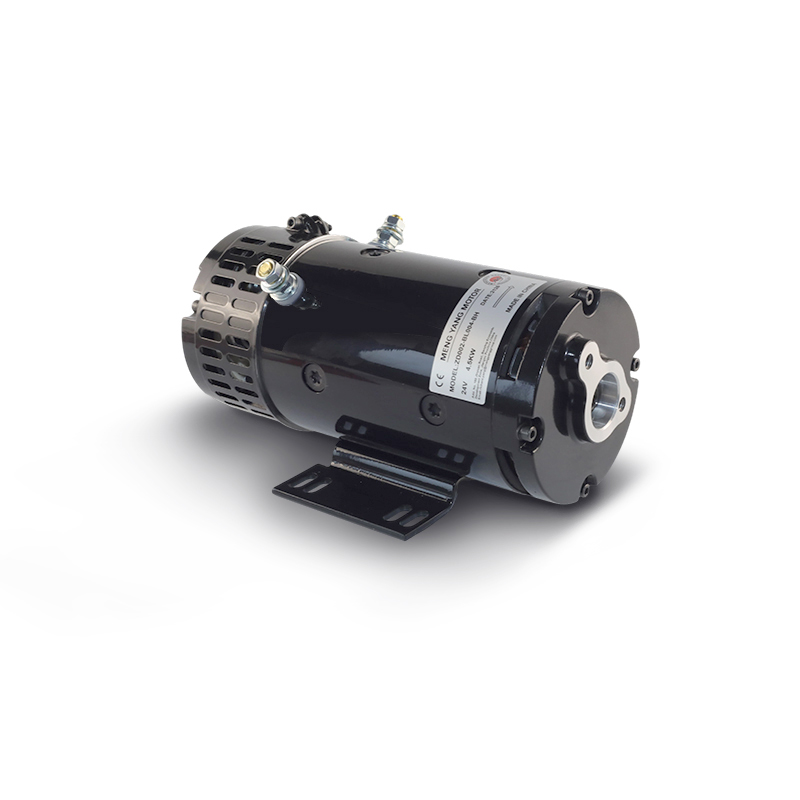
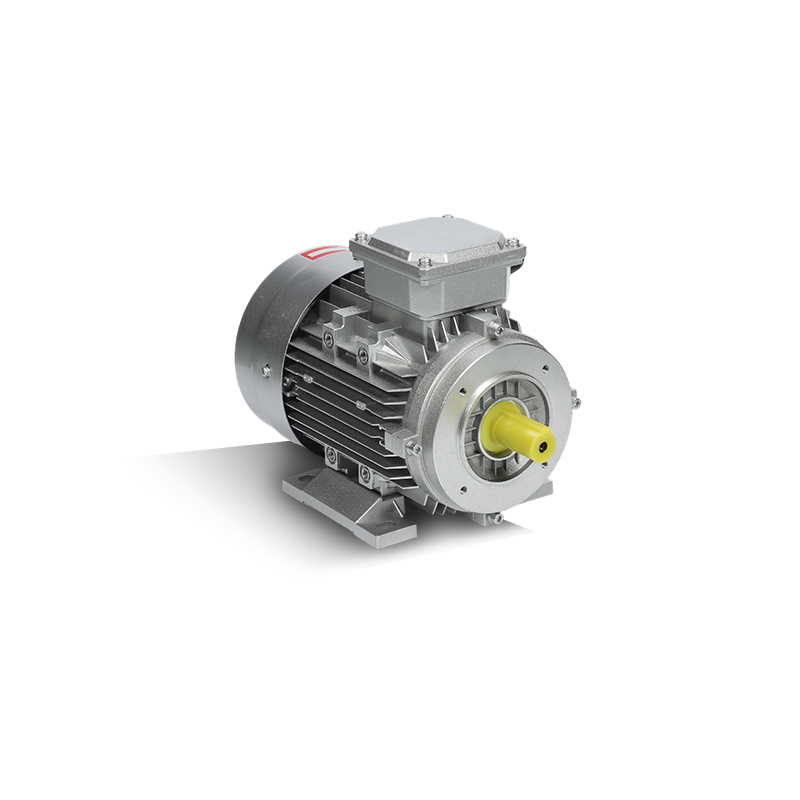
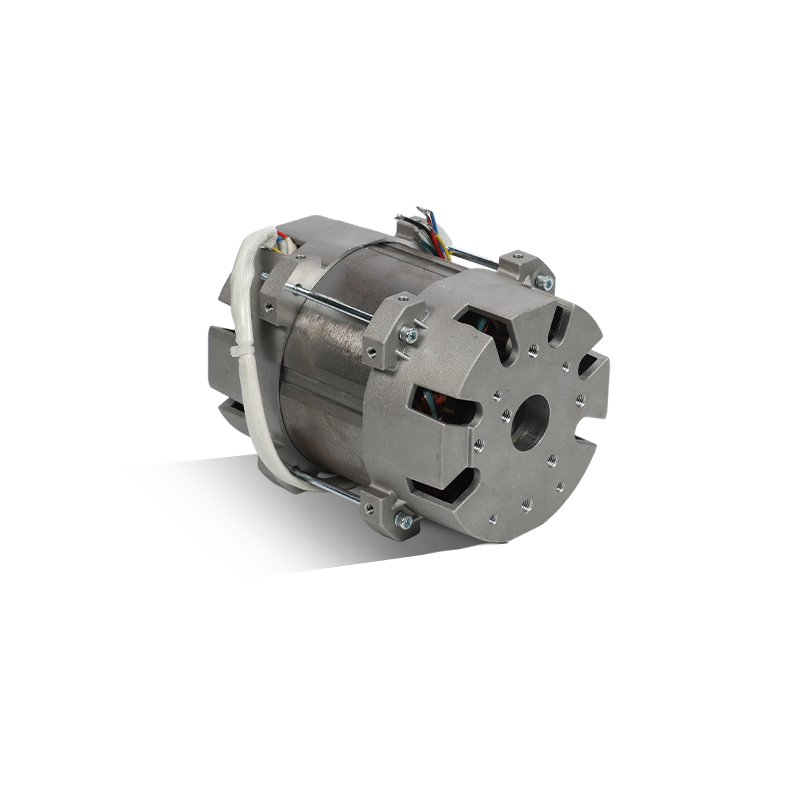
What Causes Starter Solenoids to Fail Before Their Expected Service Life?
Premature solenoid failure is rarely caused by a single defect — it is usually the result of a weak point in one of several interacting systems: the electrical contacts, the coil winding, the plunger mechanism, or the seal that protects internal components from the environment. Understanding these failure paths helps explain why solenoid quality can vary so widely between suppliers even when units appear similar on the outside.
Contact Point Degradation
The main contact disc and terminals carry a very high current spike each time the starter engages. Over repeated cycles, arcing at the contact surface gradually pits and erodes the metal, increasing resistance and eventually causing weak or intermittent engagement. Contact material selection and surface treatment have a direct, measurable effect on how many engagement cycles a solenoid can withstand before this wear becomes noticeable.
Coil Winding Overheating
The pull-in and hold-in coils inside a solenoid generate heat every time the starter is engaged. In applications with frequent starts — such as stop-start systems or vehicles used for short, repeated trips — insufficient insulation class or poor heat dissipation design can lead to winding breakdown well before the rest of the unit shows signs of wear.
Plunger and Return Spring Wear
The mechanical plunger must move smoothly and return fully after each engagement. Spring fatigue or plunger binding, often caused by contamination or poor internal tolerances, can result in delayed engagement, chattering, or a solenoid that sticks in the engaged position.
Seal and Environmental Protection
Because solenoids are mounted in the engine bay, they are exposed to moisture, road salt, and temperature swings. A weak or poorly fitted seal allows contamination to reach internal contacts and windings, which is one of the most common — and most preventable — causes of early failure.
| Failure Point | Underlying Cause | Effect on Performance |
|---|---|---|
| Contact Discs/Terminals | Arcing and erosion over repeated cycles | Weak or intermittent engagement |
| Coil Winding | Heat buildup from frequent starts | Insulation breakdown, no-engage failure |
| Plunger/Spring | Contamination or tolerance drift | Chattering, delayed or stuck engagement |
| Seal Integrity | Moisture and road salt intrusion | Internal corrosion, accelerated wear |
How Do You Verify Solenoid Compatibility Across Different Starter Motor Platforms?
Solenoids are not universally interchangeable, even when they appear physically similar. Mounting configuration, voltage rating, and actuation behavior all need to match the specific starter motor platform being served — and confirming this compatibility before an order is placed is far less costly than discovering a mismatch after installation.
Mounting and Mechanical Interface
Bolt pattern, plunger travel distance, and the mechanical linkage to the starter drive gear must align precisely with the target platform. Even a small difference in plunger stroke length can prevent the drive gear from fully engaging the flywheel, leading to grinding noises or failed starts.
Voltage and Current Draw Matching
Solenoids are engineered for specific voltage systems and expected current draw ranges. A unit designed for a lighter-duty application may not reliably pull in under the higher current demands of a larger displacement engine, particularly in cold-start conditions where current draw increases.
Terminal Configuration Differences
Terminal size, thread type, and wiring layout can vary between platforms and even between model years of the same vehicle family. Confirming terminal compatibility avoids the need for aftermarket wiring adapters that can introduce their own points of failure.
Testing Before Volume Commitment
Requesting sample units for bench testing — measuring pull-in voltage threshold, hold-in current, and engagement response time — before committing to a full order is one of the most reliable ways to confirm platform compatibility, rather than relying on part-number cross-referencing alone.
| Compatibility Factor | What to Verify | Consequence of Mismatch |
|---|---|---|
| Mounting Interface | Bolt pattern and plunger stroke length | Incomplete gear engagement |
| Voltage/Current Rating | Pull-in threshold and hold-in current | Weak engagement under high load |
| Terminal Configuration | Size, thread type, wiring layout | Wiring adapter risk, connection failure |
| Bench Test Validation | Response time and cycle testing | Confirms fit before volume order |
What Should You Look for When Evaluating a New Solenoid Manufacturing Partner?
Choosing a manufacturing partner for starter solenoids involves more than comparing unit price. Because this component directly affects starting reliability, the underlying manufacturing system — engineering capability, production scale, and quality control discipline — matters as much as the specification sheet.
Engineering Capability Behind the Product
Jiangsu Mengyang Motor Manufacture Co., Ltd., founded in 1997, specializes in the research, development, and production of DC motors, AC motors, and brushless DC motors. This background in core electromechanical engineering — winding design, magnetic circuit optimization, and precision assembly — translates directly into the design discipline needed to produce dependable solenoid components.
Integrated Manufacturing Structure
Working alongside its subsidiary, Wuxi Mengyuan Motor Manufacturing Co., Ltd., the group operates an integrated system spanning engineering, manufacturing, and delivery. This structure reduces the coordination gaps that can occur when design and production are split across separate, unaffiliated companies, supporting more consistent quality from prototype through finished goods.
Production Scale and Consistency
The group's 70,000 m² manufacturing facility and workforce of more than 300 employees provide the physical capacity to maintain consistent quality as order volumes scale, backed by a well-established manufacturing system and quality management framework.
Willingness to Support Technical Validation
A manufacturing partner that welcomes sample testing, shares material certifications, and provides transparent performance data signals confidence in its own process — and gives buyers the evidence needed to move forward with larger commitments.
| Evaluation Area | What It Indicates |
|---|---|
| Engineering Background | Depth of core motor and electromagnetic design expertise |
| Integrated Operations | Consistency from engineering through delivery |
| Manufacturing Scale | Ability to sustain quality at growing order volumes |
| Testing Transparency | Confidence in product performance and consistency |
Frequently Asked Questions
How long should a starter solenoid last under normal use?
Service life varies by application, but well-designed solenoids with quality contact materials and proper heat management can significantly outlast units built with lower-grade components, particularly in high-cycle applications such as stop-start systems.
Can sample units be tested before a bulk order is placed?
Yes, requesting sample units for bench testing — pull-in voltage, hold-in current, and engagement response — is a practical way to confirm compatibility and performance before committing to volume production.
Does Jiangsu Mengyang Motor Manufacture Co., Ltd. produce solenoids for multiple starter platforms?
The company's engineering background in DC, AC, and brushless DC motor design, combined with its integrated manufacturing system, supports the development of solenoid components matched to specific platform requirements.
What documentation is available for quality verification?
Buyers can request material certifications and performance test data as part of the company's established quality management framework.

Copyright © 2026 by Jiangsu Mengyang Motor Manufacture Co. Ltd. Rights Reserved.
