 English
 中文简体
中文简体 русский
 Français
 Español
 عربى
عربى
BOSCH Alternator Suppliers
-
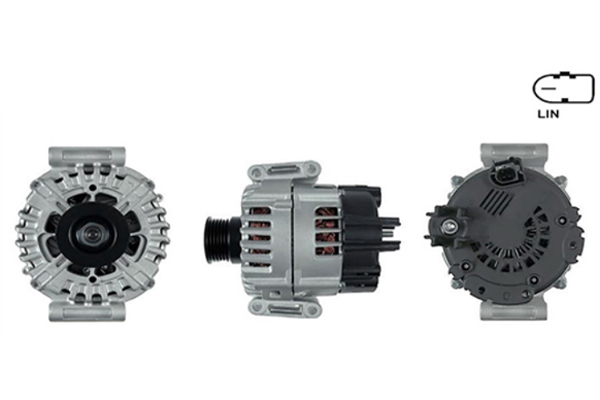 BOSCH Alternator
OEM NO: A0141542802, A543498A,440267,FG18S040
ENGINE: M272.974
DESCRIPTION: 180Amp/12 Volt, IR/IF-6PK
APPLICATION:
MERCEDES BENZ S400 3.5 HYBRID -
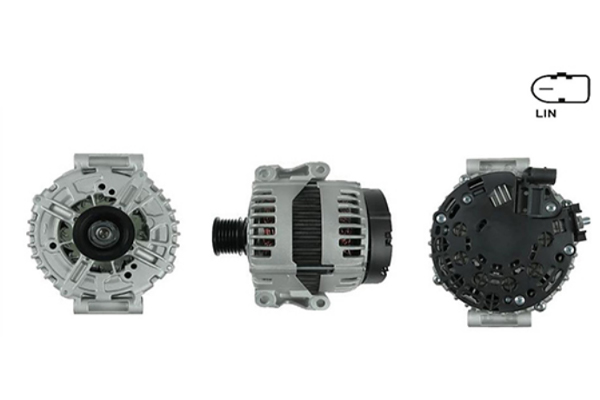 BOSCH Alternator
OEM NO: 121813001,0121813014,
ENGINE: M273.961, M150.984, M272.972
DESCRIPTION: 220Amp/12 Volt, IR/IF-6PK
APPLICATION:
MERCEDES BENZ CL500
MERCEDES BENZ CL63
MERCEDES BENZ E350 -
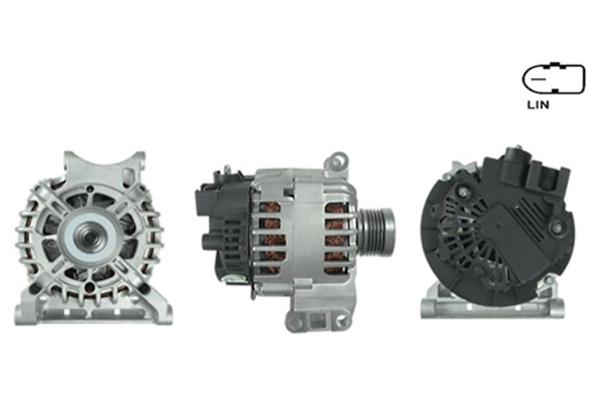 BOSCH Alternator
OEM NO: A2661541302, TG11C074,2661540602,2661540902
ENGINE: M266.920, M266.940, M266.960
DESCRIPTION: 115Amp/12 Volt, IR/IF-5PK/FW
APPLICATION:
MERCEDES BENZ A150
MERCEDES BENZ A180
MERCEDES BENZ A200 -
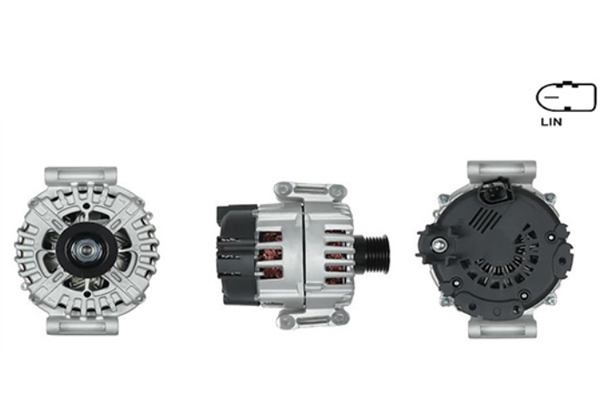 BOSCH Alternator
OEM NO: A0141540402, FG18S016,0141540402,439649,440219
ENGINE: 219.356, 219.357, 211.054
DESCRIPTION: 180Amp/12 Volt, IR/IF-6PK
APPLICATION:
MERCEDES BENZ CLS 350
MERCEDES BENZ E280
MERCEDES BENZ E350 -
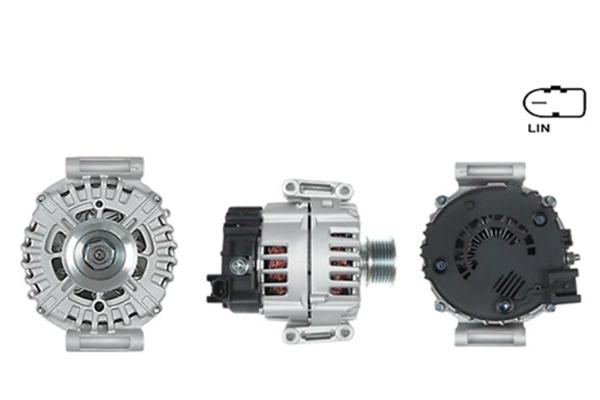 BOSCH Alternator
OEM NO: 2612768A, A0009061722,9061722,2612768B
ENGINE: M276.823, M276.820, M276.850
DESCRIPTION: 200Amp/12 Volt, IR/IF-6PK
APPLICATION:
MERCEDES BENZ C400
MERCEDES BENZ CLS400
MERCEDES BENZ E400 -
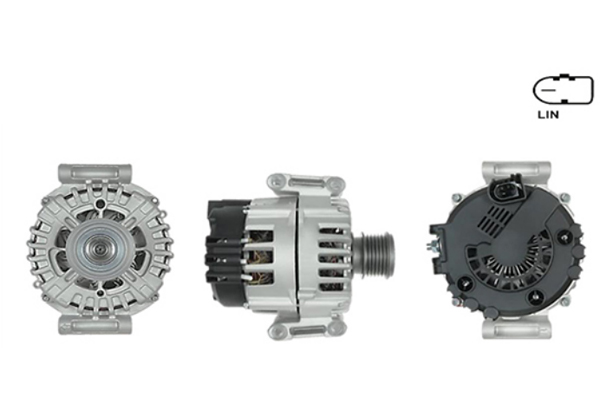 BOSCH Alternator
OEM NO: A0009068201,439848,440571,A0009068201
ENGINE: 222.057, 222.157, 906.133, 906.133
DESCRIPTION: 250Amp/12 Volt, IR/IF-6PK/FW
APPLICATION:
MERCEDES BENZ S400
MERCEDES BENZ SPRINTER -
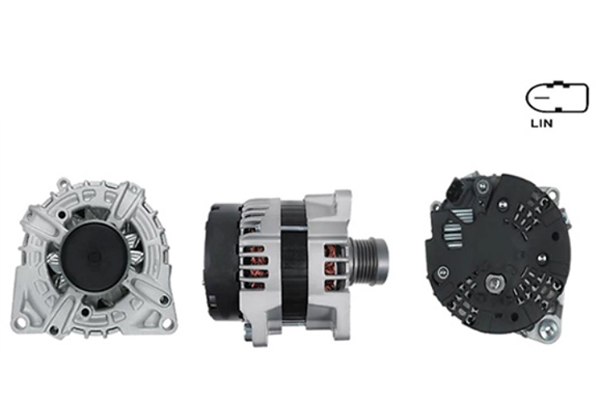 BOSCH Alternator
OEM NO: 0125711068,0125711087,0009060803,0009062202
ENGINE: M133.980, M270.920
DESCRIPTION: 175Amp/12 Volt, IR/IF-5PK/FW
APPLICATION:
MERCEDES BENZ A45
MERCEDES BENZ CLA 45
MERCEDES BENZ GLA 45 -
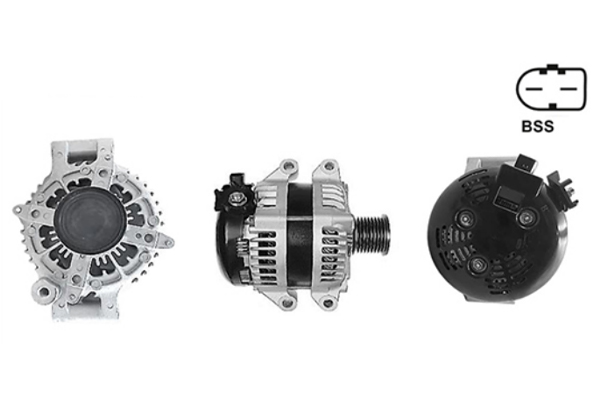 BOSCH Alternator
OEM NO: 12317591268,104210-6250,0986UR6274,443288
ENGINE: N20B20D, D52B25AF, N52B30AF, N53B30A
DESCRIPTION: 210 Amp/12 Volt, CW, IR/IF-8PK/FW
APPLICATION:
BMW Truck X3 L6 3.0L 2996cc 2011-2012
BMW-China Car 520Li 2.0L, N20B20D, N20B20B,
Turbo 2013,520Li 2.5L,N52B25AF,Non Turbo 2012
523Li 2.5L,N52B25AF,Non Turbo 2012,528Li 3.0L -
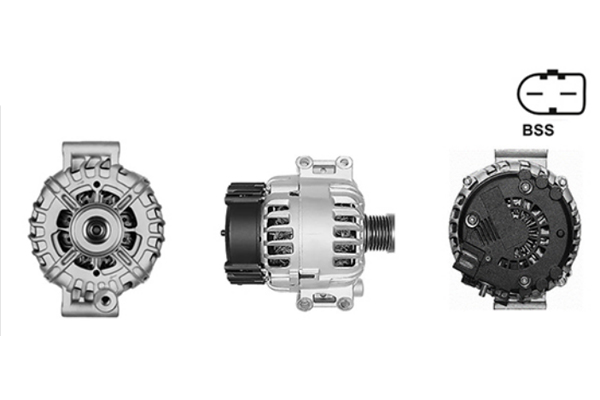 BOSCH Alternator
OEM NO: 12317521178,12317525376,2542720,TG17C015
ENGINE: N52B25, N52B30A, N53B30
DESCRIPTION: 150 Amp/12 Volt, CW, IR/IF-6PK/FW
APPLICATION:
BMW Car323i L6 2.5L 2497cc 2006, 325i L6 3.0L
2996cc 2006, 330i L6 3.0L 2996cc 2006
525xi L6 3.0L 2996cc 2006-2007
530i L6 3.0L 2996cc 2006-2007 -
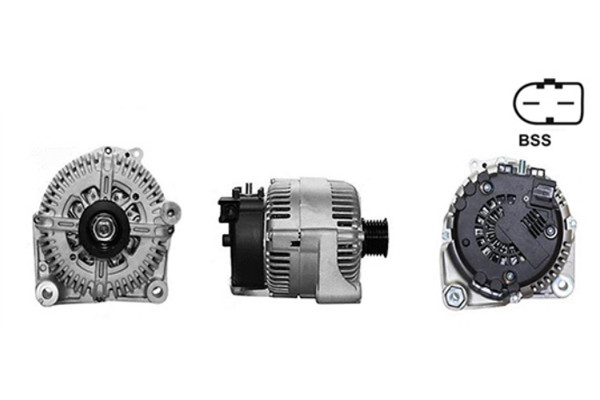 BOSCH Alternator
OEM NO: 12317524972,12317525440,12317537959,12317537962, 2542785, 2542785B, 2543221C, 2543293A
ENGINE: M62B44A, M62B48A, N54B30A
DESCRIPTION: 180 Amp/12 Volt, CW, IR/IF-6PK
APPLICATION:
BMW 545i V8 4.4L 4398cc, 745Li V8 4.4L 4398cc
Alpina B7 V8 4.4L 4398cc 2007-2008
BMW - Europe Car 54 4400, N62 B44 2003-2005 -
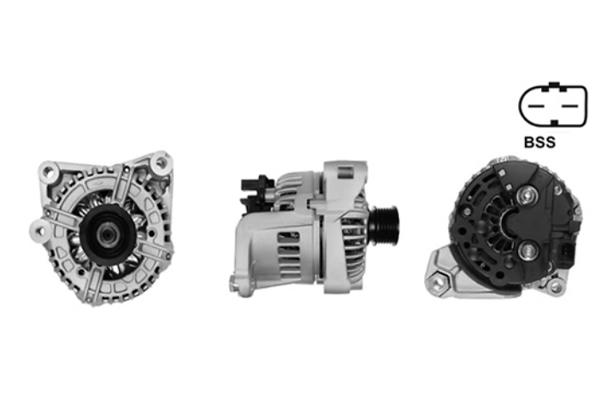 BOSCH Alternator
OEM NO: 12317519721,12317519723,12317521135,12317521137, 0124525026,0986046220,N986A01155
ENGINE: M5422S1, M5430S3, N52B30
DESCRIPTION: 150Amp/12 Volt,CW,IR/IF-6PK
APPLICATION:
BMW 520 2.2i (E39), BMW X3 2.5, 3.0 (E83)
BMW 525 2.5i (E61), BMW 730 3.0i (E66) -
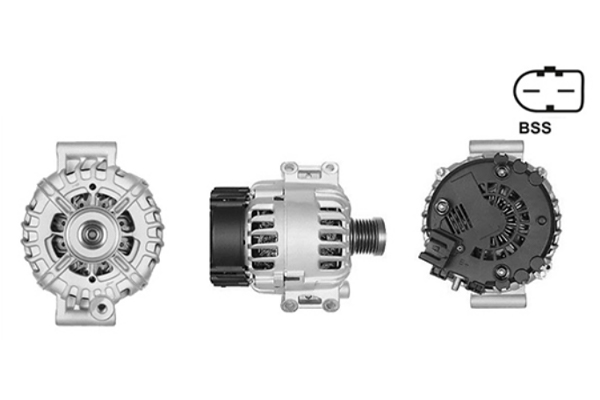 BOSCH Alternator
OEM NO: 12317521178,12317525376,2542720,2542720J
ENGINE: N52B30A, N53B30, N53B30A
DESCRIPTION: 180 Amp/12 Volt, IR/IF-6PK/FWD
APPLICATION:
BMW X1 3.0 xDRIVE 25i 2010 / X3 2.5 xDRIVE 25i
2008 / X3 2.5i 2006-2008 / X3 3.0 xDRIVE 30,
BMW X5 3.0 xDRIVE 30i 2008
BMW X5 3.0i 2006-2008 -
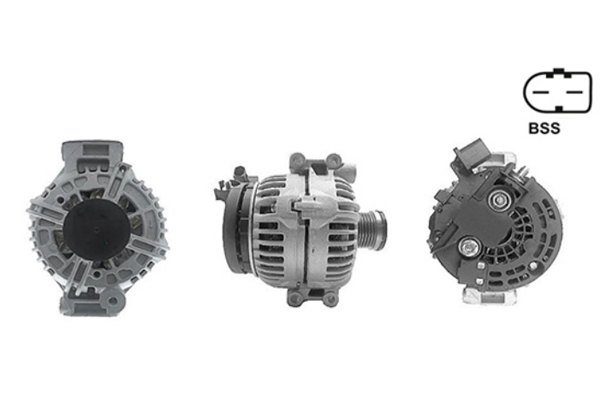 BOSCH Alternator
OEM NO: 12317512151,12317516104,12317520495,12317521384
ENGINE: N45B16A, N46B20, N46B20A
DESCRIPTION: 150 Amp/12 Volt, CW, IR/IF-6PK/FWD
APPLICATION:
BMW 116 1600,N45 B16A 2004-2010,BMW 118 2000
N46 B20B 2004-2007, BMW 120 2000, N46 B20B
2004-2007, BMW 316 1800, N42 2002-2005
BMW 318 2000, N42 B20A 2002-2004 -
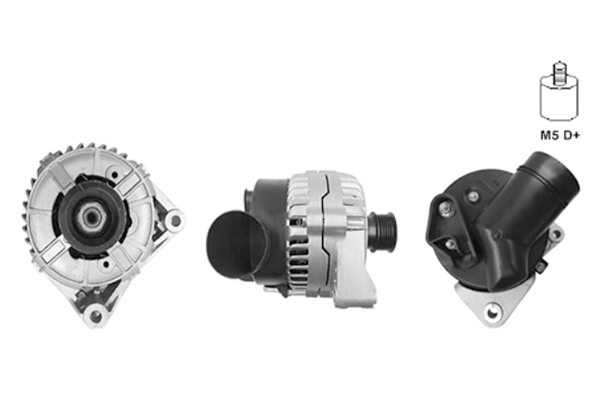 BOSCH Alternator
OEM NO:12311738351,12311744563,12311744567, 0120465031,0986039000,437330
ENGINE:M50B20, M52B25, M25B28, M20B20
DESCRIPTION:140Amp/12Volt, IR/IF-6PK
APPLICATION:
BMW 520 2.0i (E34), BMW 325 2.5i (E36)
BMW 328 2.8i (E36), BMW 320 2.0i (E36)
BMW 325 2.5i (E36) -
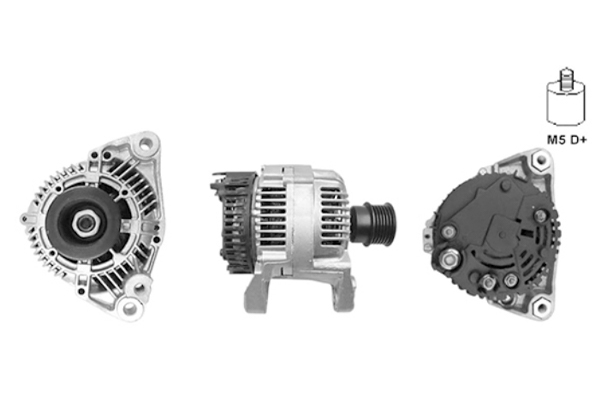 BOSCH Alternator
OEM NO: 12311247487,12311247488,0123320012,0986040380
ENGINE: M43B18, M44B19
DESCRIPTION: 90Amp/12Volt, IR/IF-6PK
APPLICATION:
BMW Z3 1.8 (E36)
BMW 318 1.8i (E36) -
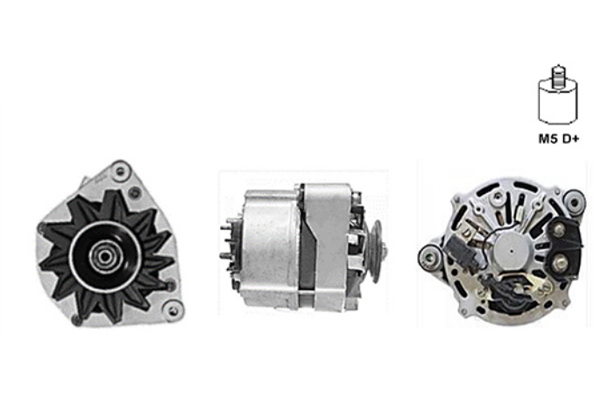 BOSCH Alternator
OEM NO: 12311271663,12311273131,12311277239,12311277505, 12311284460,12311284461,12311285006,12311288408
ENGINE: M40B16, M20B20, M20B23, M30B35, S14B23
DESCRIPTION: 80 Amp/12 Volt, IR/IF-1V
APPLICATION:
BMW M3 2.3 (E30), BMW 535 3.4i (E28),
BMW 525 2.5i (E28), BMW 323 2.3 i (E30),
BMW 320 2.0i (E30), BMW 316 1.6i (E30) -
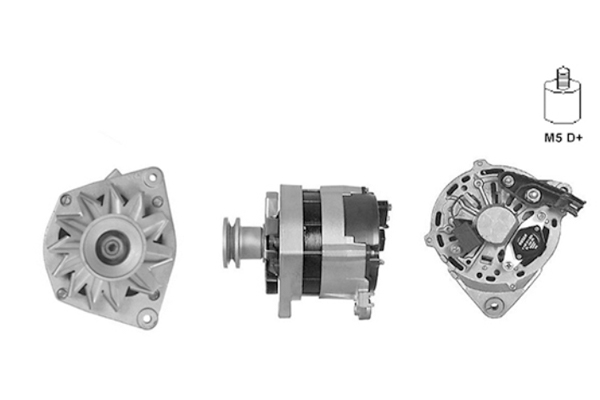 BOSCH Alternator
OEM NO: 12311721921,12311721923,12311727516,12311739421
ENGINE: M40B16, M40B18, M42B18
DESCRIPTION: 90Amp/12 Volt, IR/OF-1V
APPLICATION:
BMW 518 1.8i (E34),
BMW 318 1.8i (E36), 1.8 iS (E36)
BMW 316 1.6i (E36) -
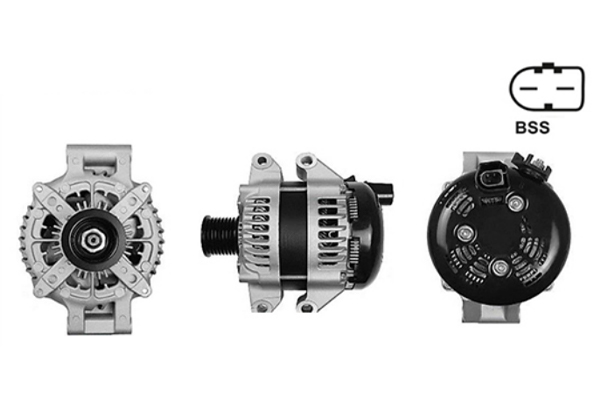 BOSCH Alternator
OEM NO: 12317591529,12317591530,104210-6071, 104210-6070,104210-6071,104210-6072
ENGINE: F10,F20, N55B30A
DESCRIPTION: 210 AMP/12V,IR
APPLICATION:
BMW 535,335 3.0L -
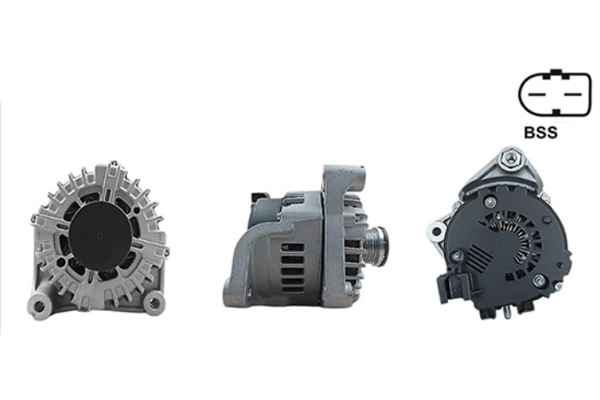 BOSCH Alternator
OEM NO: 12317823341,12317823342,12318507625,12318509024, 439730,440320,FG23S032,FG23S040
ENGINE: F10,F11,N47D20, N57D30,
DESCRIPTION: 220 AMP,12V,IR
APPLICATION:
BMW 520,525,530,535 2.0D,3.0D -
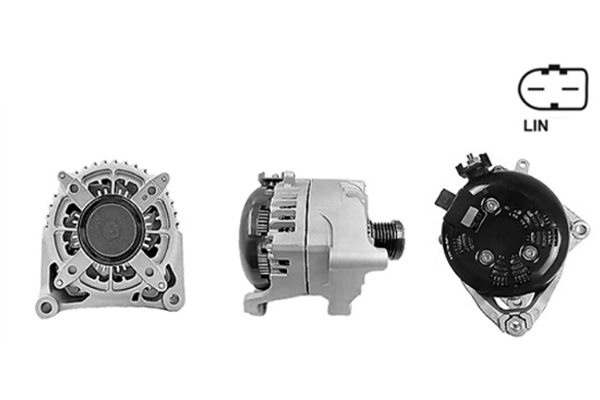 BOSCH Alternator
OEM NO: 123176605061,12317605479,7605061,7605479, 104210-6400,104210-6401,104210-6402
ENGINE: F30,F32, N20B20
DESCRIPTION: 210A AMP ,12V ,IR
APPLICATION:
BMW 320, 328 ,428 2.0L
Our Company is China BOSCH Alternator Suppliers and BOSCH Alternator Manufacturers, Founded in 1997, Mengyang Motor Group specializes in DC, AC, and brushless motor solutions and serves as a professional motor manufacturer for the global market.
Innovation is both our goal and our legacy. We are certified to UL, CE, IATF 16949, and RoHS, delivering stable and reliable quality that meets international standards.
How Does BOSCH Alternator Technology Support Stable Vehicle Power Generation?
The Fundamental Role of Alternators in Automotive Electrical Systems
Modern vehicles rely on increasingly complex electrical systems to support engine control units, lighting systems, sensors, infotainment equipment, safety functions, and various electronic components. While the battery provides initial electrical energy, the alternator becomes the main power source once the engine starts running. Its primary function is to convert mechanical energy from the engine into electrical energy, ensuring continuous power supply and maintaining battery charging efficiency.
BOSCH Alternator products are recognized for their reliable power generation capability, efficient electrical conversion, and durable construction. As vehicle electrical requirements continue increasing, alternators need to provide stable voltage output while operating under different driving conditions, including high-speed operation, frequent load changes, and challenging environments.
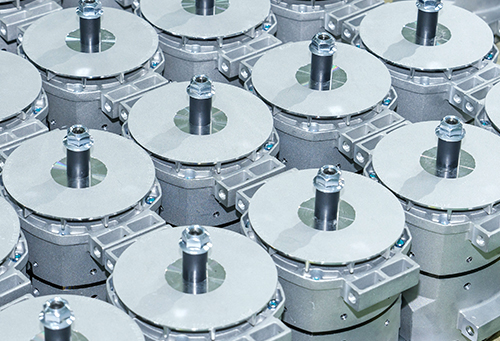
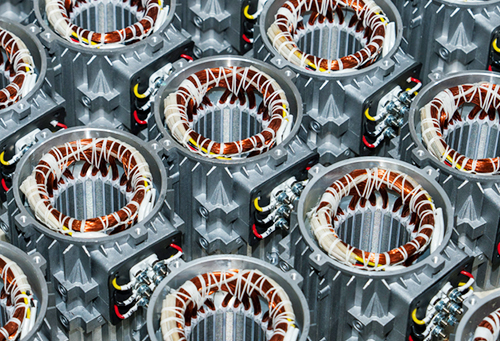
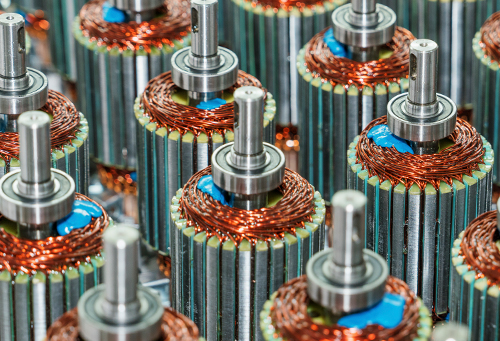
A high-performance alternator consists of several important components, including the rotor, stator, rectifier, voltage regulator, pulley system, bearings, and housing. The rotor creates a rotating magnetic field, while the stator generates alternating current through electromagnetic induction. The rectifier converts AC power into DC power, allowing the vehicle electrical system and battery to receive usable energy.
The voltage regulator plays an important role in maintaining stable output voltage. Without proper regulation, electrical components may experience unstable power supply, which could affect system reliability. Therefore, alternator design requires precise coordination between mechanical and electrical components.
For vehicles operating over long distances or under heavy electrical loads, alternator reliability becomes particularly important. Commercial vehicles, transportation equipment, and special-purpose vehicles often require continuous power generation capability. A dependable alternator helps maintain system stability and reduces the risk of electrical failures.
BOSCH Alternator solutions focus on balancing power output, efficiency, and durability. Through optimized design and reliable components, alternators can support the stable operation of vehicle electrical systems while improving overall energy management.
| BOSCH Alternator Characteristics | Technical Features | Application Benefits |
| Stable Power Output | Provides consistent electrical generation | Maintains vehicle electrical system operation |
| Efficient Energy Conversion | Optimized electromagnetic design | Improves power utilization |
| Durable Construction | Strong internal components and protection design | Supports long service life |
| Reliable Voltage Regulation | Maintains stable electrical output | Protects electronic systems |
Why Are Output Efficiency and Durability Important for Alternator Performance?
The performance of an alternator is determined not only by its maximum power output but also by its ability to operate efficiently over extended periods. Vehicles today contain more electronic systems than ever before, creating higher demands on the alternator’s charging capability.
Output efficiency directly affects how effectively mechanical energy is converted into electrical energy. An efficient alternator can provide sufficient power while reducing unnecessary energy losses, helping improve overall vehicle performance.
Durability is another essential factor. Alternators operate continuously whenever the engine is running, meaning internal components must withstand long-term rotation, vibration, temperature changes, and electrical loads. Components such as bearings, windings, and rectifiers must maintain stable performance throughout the service period.
Thermal management also influences alternator reliability. Excessive heat can reduce component lifespan and affect electrical efficiency. Proper ventilation, housing design, and material selection help control operating temperature and improve long-term stability.
When selecting an alternator, it is important to evaluate power requirements, operating environment, installation conditions, and expected service cycles. A properly matched alternator can improve vehicle reliability and reduce maintenance frequency.
| Alternator Performance Factor | Description | Impact on Vehicle Operation |
| Charging Capacity | Defines electrical power generation ability | Supports vehicle electrical demand |
| Voltage Stability | Controls output fluctuations | Protects electronic components |
| Thermal Performance | Manages heat during operation | Improves durability |
| Mechanical Strength | Resists vibration and rotation stress | Extends service life |
How Does Jiangsu Mengyang Motor Manufacture Co. Ltd. Develop Reliable Automotive Motor Solutions?
Manufacturing reliable alternators requires strong capabilities in motor engineering, electrical design, precision production, and quality management. Every component must meet strict requirements to ensure stable performance in practical applications.
Founded in 1997, Jiangsu Mengyang Motor Manufacture Co. Ltd. is a professional motor manufacturer specializing in the research, development, and production of DC motors, AC motors, and brushless DC motors. The company has established a comprehensive system covering engineering development, manufacturing processes, and product delivery.
With a modern manufacturing facility covering approximately 70,000 m² and more than 300 employees, Jiangsu Mengyang Motor Manufacture Co. Ltd. has developed strong production capabilities supported by professional engineering teams and quality management systems.
Through continuous improvement in motor technology and manufacturing processes, Jiangsu Mengyang Motor Manufacture Co. Ltd. focuses on delivering reliable motor products with stable performance, efficient operation, and long-term durability.
What Technical Features Should Be Considered When Choosing BOSCH Alternators for Different Applications?
How Do Vehicle Power Requirements Influence Alternator Selection?
Selecting a suitable alternator requires a detailed understanding of the vehicle’s electrical requirements and operating environment. Different vehicles have different power demands depending on the number of electrical devices, operating conditions, and usage patterns.
Passenger vehicles generally require alternators that provide stable charging performance while maintaining compact dimensions. Commercial vehicles and transportation equipment often require higher output capability because they may operate with additional lighting systems, control equipment, refrigeration units, or other electrical loads.
The electrical demand of modern vehicles continues increasing due to advanced electronic systems. Therefore, alternators must provide sufficient output capacity while maintaining stable voltage regulation.
Operating conditions also influence alternator selection. Vehicles used in extreme temperatures or demanding environments require alternators with strong thermal management and durable construction.
| Selection Consideration | Main Evaluation | Importance |
| Power Requirement | Matches electrical load demand | Ensures sufficient energy supply |
| Operating Environment | Includes temperature and vibration conditions | Affects reliability |
| Installation Space | Determines alternator dimensions | Supports proper integration |
| Duty Cycle | Defines working intensity | Influences durability requirements |
How Do Alternator Components Affect Charging Performance?
An alternator is a precision electromechanical system where each component influences the overall charging performance. The quality of internal components determines efficiency, reliability, and service life.
The rotor creates the magnetic field necessary for electricity generation. Its design affects magnetic efficiency and power output.
The stator contains windings that generate alternating current. High-quality winding design improves electrical efficiency and reduces energy loss.
The rectifier converts AC electricity into DC electricity suitable for vehicle systems. Reliable rectifier performance helps maintain stable charging.
The voltage regulator controls output voltage according to electrical demand. Accurate regulation protects sensitive electronic components and improves system stability.
Main Alternator Components
| Component | Function | Performance Influence |
| Rotor | Creates rotating magnetic field | Affects power generation efficiency |
| Stator | Generates electrical current | Determines output capability |
| Rectifier | Converts AC into DC power | Ensures usable electrical output |
| Voltage Regulator | Controls charging voltage | Protects electrical systems |
Why Is Manufacturing Precision Important for Alternator Reliability?
Alternators operate continuously during vehicle operation, making manufacturing accuracy essential. Small differences in component dimensions, assembly precision, or material quality can influence efficiency, noise, vibration, and operating life.
Professional alternator manufacturing requires strict control over electrical testing, mechanical assembly, and performance verification. These processes ensure stable quality and consistent operation.
Jiangsu Mengyang Motor Manufacture Co. Ltd. integrates engineering experience with modern manufacturing systems to support reliable motor production. Through professional processes and continuous improvement, the company provides motor solutions designed for demanding applications.
How Can Advanced Alternator Manufacturing Improve Future Vehicle Energy Management?
Why Are High-Efficiency Alternators Becoming More Important?
The automotive industry is moving toward higher energy efficiency, intelligent control systems, and improved electrical performance. These trends are creating new requirements for alternator technology.
Modern vehicles require alternators that can provide greater electrical output while maintaining compact size and efficient operation. Improvements in electromagnetic design, lightweight materials, and thermal management technologies help achieve better performance.
Energy-efficient alternators can reduce unnecessary mechanical losses and improve the overall efficiency of vehicle systems. This is especially valuable for vehicles with increasing electrical loads.
| Technology Development Trend | Improvement Method | Application Benefit |
| Efficiency Enhancement | Optimized electromagnetic structure | Improves energy conversion |
| Lightweight Design | Uses advanced materials | Reduces system load |
| Thermal Optimization | Improves heat dissipation | Enhances reliability |
| Smart Control | Improves voltage management | Supports advanced electrical systems |
Why Does Jiangsu Mengyang Motor Manufacture Co. Ltd. Have Advantages in Motor Manufacturing?
Automotive motor manufacturing requires comprehensive knowledge of electrical engineering, mechanical design, production technology, and quality control. Manufacturers with strong experience can better develop products that meet different application requirements.
Since 1997, Jiangsu Mengyang Motor Manufacture Co. Ltd. has focused on motor research and manufacturing. The company specializes in DC motors, AC motors, and brushless DC motors, supported by professional engineering capabilities and integrated manufacturing systems.
With a production facility of approximately 70,000 m² and more than 300 employees, Jiangsu Mengyang Motor Manufacture Co. Ltd. continues improving its technology and manufacturing capabilities.
Through innovation, quality management, and engineering expertise, the company provides reliable motor products designed for stable operation and long-term performance.
Future Development Trends of Automotive Alternator Technology
Future alternator development will focus on higher efficiency, stronger durability, compact structures, and improved compatibility with intelligent vehicle systems.
As vehicles become more electrified, alternators will continue playing an important role in maintaining stable energy supply. Advanced manufacturing technology will help create more efficient and reliable alternator solutions.
FAQ About BOSCH Alternators
Q1: What is a BOSCH Alternator?
A BOSCH Alternator is an automotive power generation component that converts mechanical energy from the engine into electrical energy.
Q2: What are the main advantages of BOSCH Alternators?
They provide stable power generation, efficient energy conversion, reliable voltage control, and durable operation.
Q3: Where are alternators commonly used?
Alternators are widely used in passenger vehicles, commercial vehicles, transportation equipment, and various automotive systems.
Q4: What factors should be considered when selecting an alternator?
Important factors include power output, voltage requirements, operating environment, installation conditions, and duty cycle.
Q5: Why choose Jiangsu Mengyang Motor Manufacture Co. Ltd. for motor solutions?
Jiangsu Mengyang Motor Manufacture Co. Ltd. has professional motor manufacturing experience, advanced production capabilities, and complete engineering systems to provide reliable motor products.

Copyright © 2026 by Jiangsu Mengyang Motor Manufacture Co. Ltd. Rights Reserved.
