 English
 中文简体
中文简体 русский
 Français
 Español
 عربى
عربى
Bosch Armature Suppliers
-
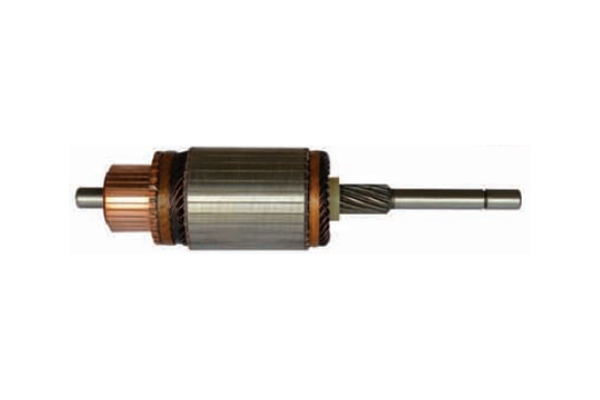 MYD5002
12V
REPLACING:3471029,DR4100
SERVICING:3471141,3471144
L:252mm,O.D.58mm,12splines -
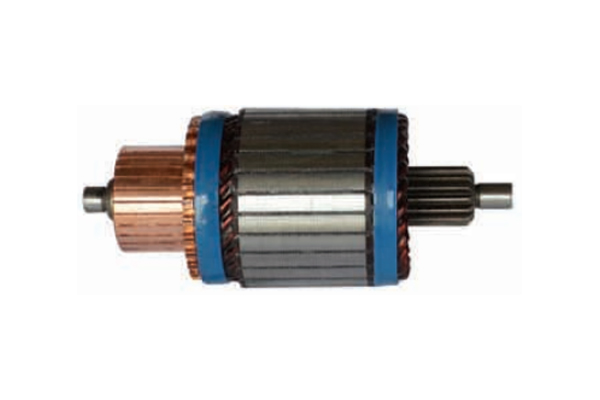 MYD036
12V
REPLACING:96208785
SERVICING:PG150,PG260F1,9000794,9000833,9000839,9000847,21020761
L:128mm,O.D:54mm,T:16 -
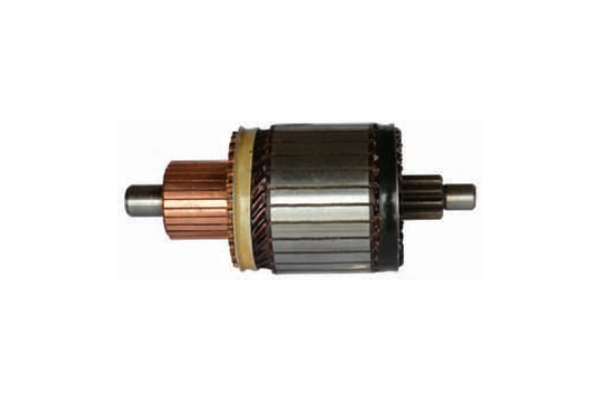 MYF300
WAI:61-210 12V
REPLACING:E90Z11005A,SM482
SERVICING:FORDPMGR;E90F11000AA,-BA,E9SF11000AA,-BA,F02F11000AA
L:129mm,O.D.56mm,T:11 -
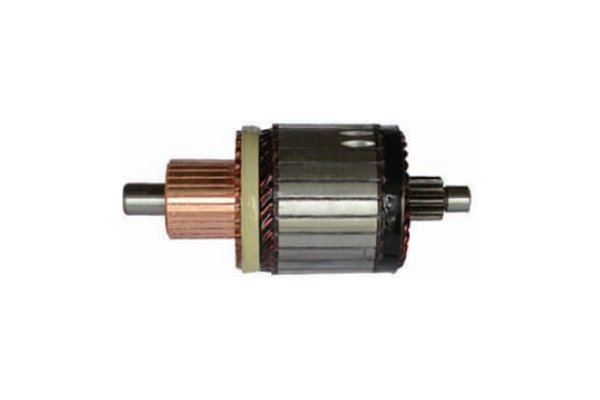 MYF302
WAI:61-211 12V
REPLACING:
SERVICING:
L:127mm,O.D.56mm,T:11 -
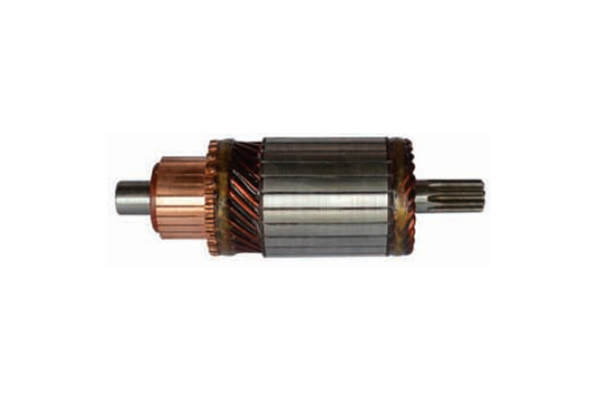 MYF304
WAI:61-209 12V
REPLACING:E4FZ11005A
SERVICING:E4EF11001A,E4FZ11002A,E9SF11000AA,-BA,F02F11000AA
L:170mm,O.D.56mm,T:9 -
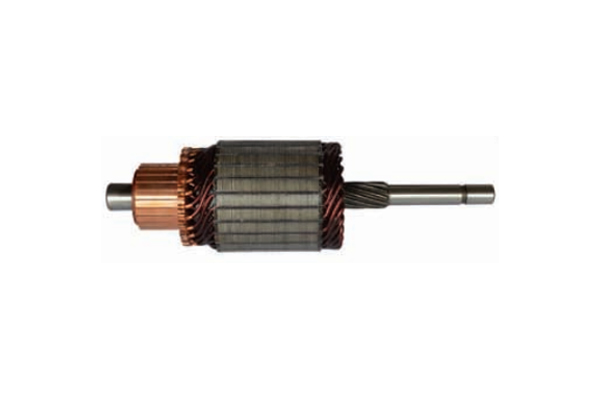 MYF305
WAL:61-203 12V
REPLACING:E2FZ-11005-A,SM459,SM462
SERVICING:E3FZ-11005-A
L:227mm,O.D.65mm,12splines -
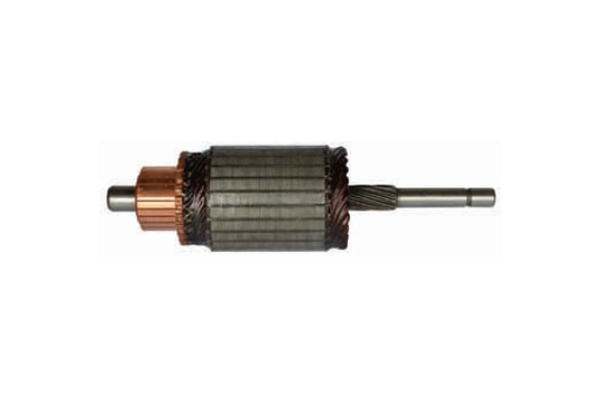 MYF306
WAI:61-200 12V
REPLACING:E2BZ11005a,SM456
SERVICING:E2BF11001AA,E25F11001AA,4"DD
L:236mm,O.D.65mm,12splines -
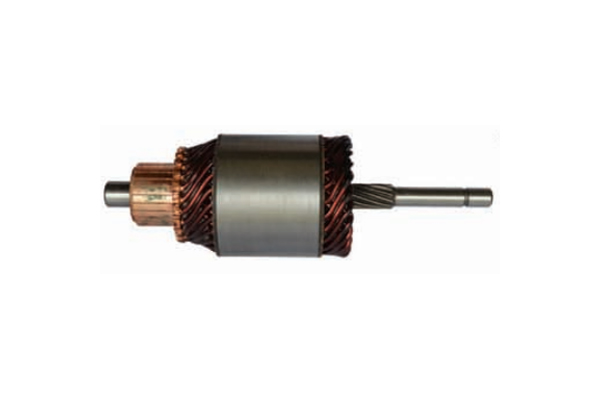 MYF307
WAL:61-207 12V
REPLACING:C4TZ-11005-A,C4TZ-11005B
SERVICING:C6VY-11005-A,C6VY-11005-B
L:238mm,O.D.75mm,12splines -
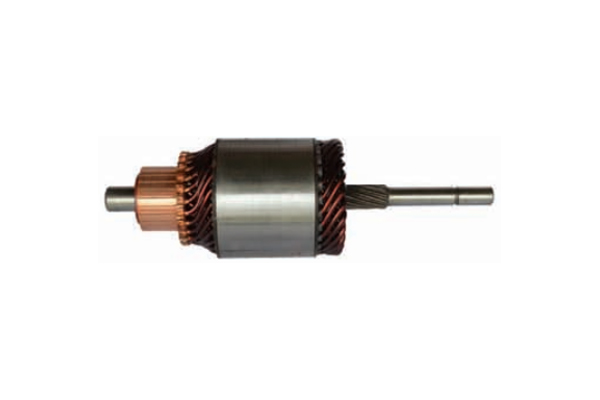 MYF308
12V
REPLACING:C6VY-11005-A,SM322
SERVICING:C8VY-11000-A,C2AF11001-AC9AF-11001A 4 1/2"DD
L:244mm,O.D.75mm,12splines -
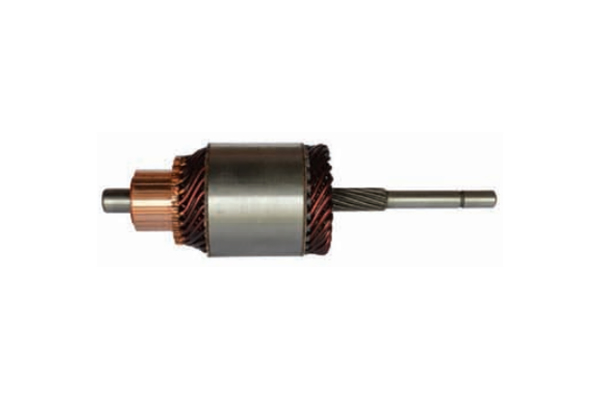 MYF309
12V
REPLACING:DONF11005B,SM341
SERVICING:C8FF11001C,C9FF11001A,DOFF11001C 4 1/2"DD
L:260mm,O.D.75mm,12splines -
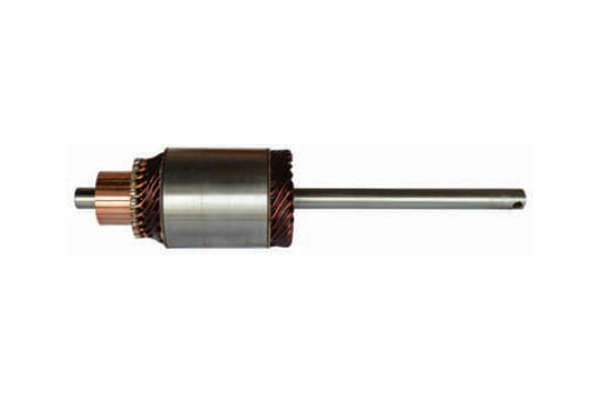 MYF310
12V
REPLACING:
SERVICING:
L:335.5mm,O.D.75mm -
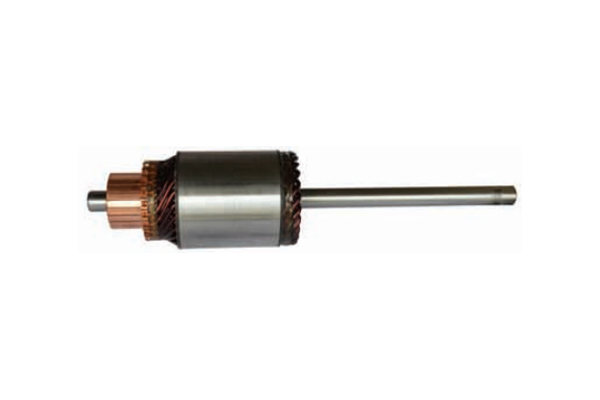 MYF311
12V
REPLACING:
SERVICING:
L:334.5mm,O.D.75mm -
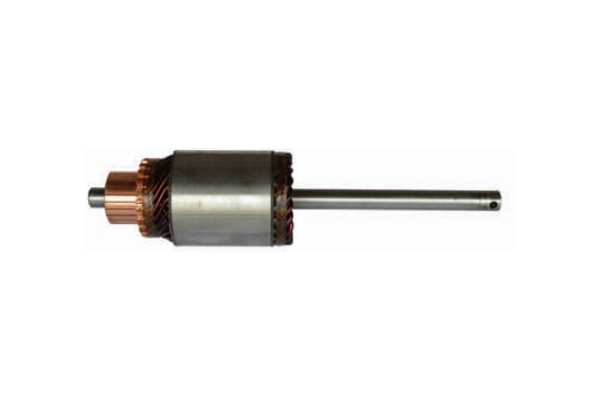 MYF312
12V
REPLACING:
SERVICING:
L:321mm, O.D.75mm -
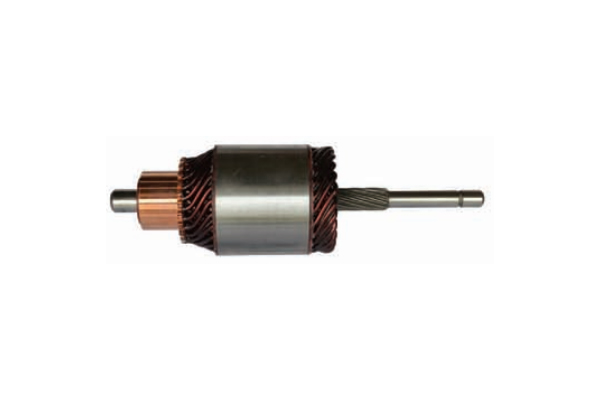 MYF313
REPLACING:
SERVICING:
SLOTS:25
L:253mm, O.D.74.5mm, 12Splines, 15.85mm Shaft OD. 11.9mm Shaft OD. -
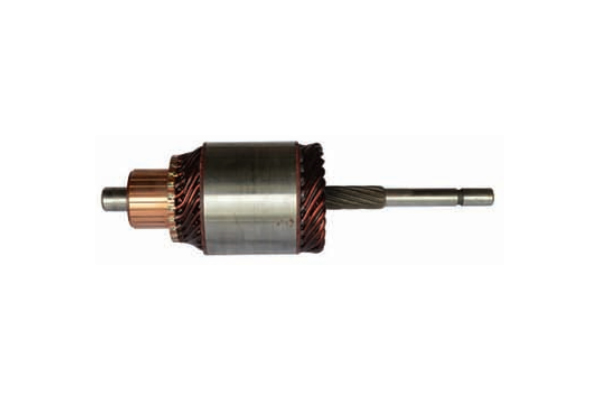 MYF314
REPLACING:
SERVICING:
SLOTS:25
L:260mm, O.D.74.5mm, 12Splines, 15.85mm Shaft OD. 11.9mm Shaft OD. -
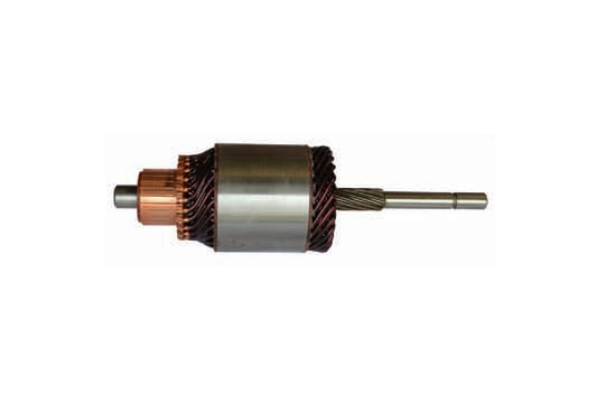 42-2296NA
L:260.5mm, O.D.74.6mm, 12splines Slots:25
-
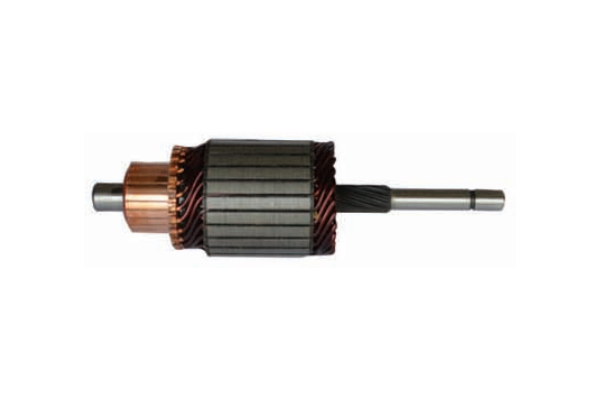 FD002
FD002L:225mm, O.D.64.4mm, 12splines, Slots:25
-
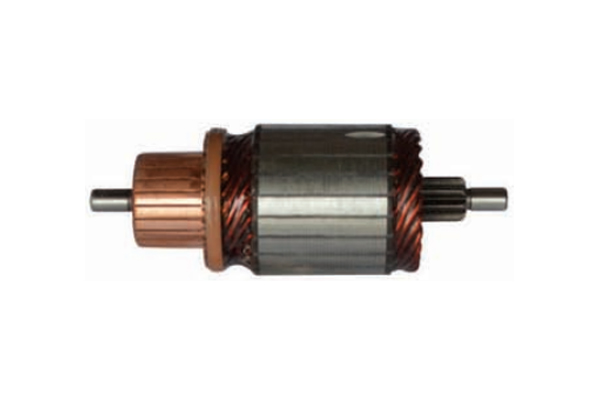 MYF303
12V
REPLACING:93BB11000AA,-AB,-CB,-DB
SERVICING:96BB11000AA
L:122mm,O.D.44mm,T:9 -
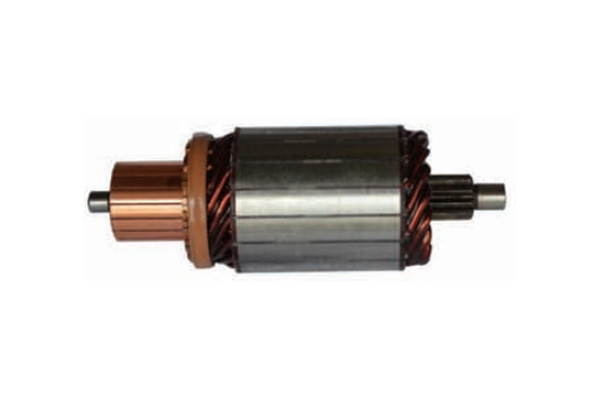 MYF301
12V
REPLACING:XC1U11005AA
SERVICING:97BB11000BB,-BC,97VB11000AA,-AB,98AB11000AC
L:156mm,O.D.54mm,T:11 -
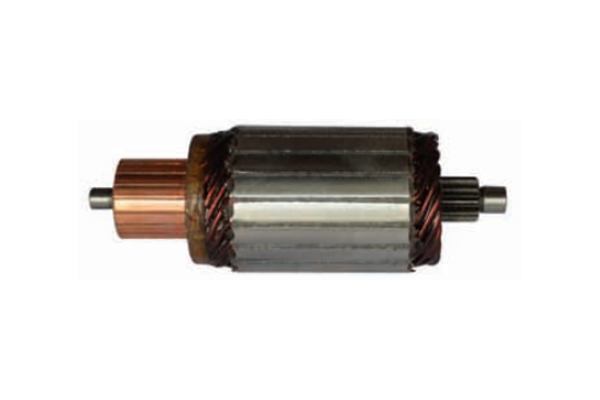 CS977B
24V
L:145.5mm,O.D.53.9mm,T:11
Our Company is China Bosch Armature Suppliers and Chrysler Armature Manufacturers, Founded in 1997, Mengyang Motor Group specializes in DC, AC, and brushless motor solutions and serves as a professional motor manufacturer for the global market.
Innovation is both our goal and our legacy. We are certified to UL, CE, IATF 16949, and RoHS, delivering stable and reliable quality that meets international standards.
The Motor Armature is the heart of any starter or drive motor, converting electrical energy into mechanical rotation through a precisely wound coil and commutator assembly. Its condition determines cranking power, motor lifespan, and overall system reliability.
Understanding Armature Design and Performance in Modern Motors
An armature's performance is shaped by a combination of winding geometry, core lamination quality, and commutator precision. While the basic operating principle — converting electrical current into rotational torque through electromagnetic induction — remains consistent across motor types, the engineering details that separate a reliable armature from a short-lived one are far more nuanced.
Winding Configuration and Torque Output
The number of winding turns, wire gauge, and coil arrangement directly determine torque characteristics and current draw. A well-designed winding balances starting torque against heat generation, since excessive current draw during cranking is one of the leading causes of premature winding failure. Copper purity and insulation class both play a measurable role in how much heat a winding can tolerate before insulation breakdown occurs.
Core Lamination and Efficiency
Armature cores are built from thin, stacked steel laminations rather than a single solid core, which significantly reduces eddy current losses and heat buildup during operation. The precision of this lamination stacking affects both magnetic efficiency and long-term structural integrity under repeated thermal cycling.
Balancing and Vibration Control
Because armatures rotate at high speed, even minor imbalances can accelerate bearing wear and generate excessive noise. Dynamic balancing during manufacturing is a step that is sometimes skipped by lower-cost producers but has a measurable effect on service life.
Commutator Surface Quality
The commutator's contact surface must maintain consistent contact with the carbon brushes throughout the motor's life. Surface finish, segment insulation, and resistance to arcing wear all influence how gradually — or how quickly — output degrades over time.
| Design Element | Function | Impact on Performance |
|---|---|---|
| Winding Configuration | Determines torque and current draw | Affects starting power and heat generation |
| Core Lamination | Reduces eddy current losses | Improves efficiency, limits heat buildup |
| Dynamic Balancing | Minimizes rotational vibration | Extends bearing and shaft life |
| Commutator Finish | Maintains brush contact quality | Slows output degradation over time |
Why Bosch Armature Specifications Set the Benchmark for Consistency
Bosch has long been recognized in the automotive electrical components field for tightly controlled manufacturing tolerances, and its armature specifications are frequently used as a technical reference when evaluating alternative or compatible units. This reputation is built less on any single innovation and more on consistent, repeatable engineering discipline applied across production runs.
Tight Tolerance Manufacturing
Bosch armature designs are known for maintaining narrow tolerances in shaft diameter, commutator concentricity, and winding resistance. These tight tolerances reduce variability between individual units, which is particularly valuable when replacement parts need to perform predictably across a wide range of vehicle ages and conditions.
Documented Performance Curves
Bosch publishes relatively detailed performance data for many of its armature and starter motor products, including torque-speed curves and current draw at various load points. This documentation gives quality teams a clear, objective baseline against which compatible or alternative armatures can be measured during incoming inspection.
Material Selection Standards
Bosch specifications typically call for specific copper grades and insulation classes rated for sustained automotive under-hood temperatures, which has become something of an informal industry benchmark even outside Bosch's own product lines.
Cross-Reference Value for Alternative Suppliers
Because Bosch specifications are so widely documented, they are often used as the comparison point when qualifying a new or alternative armature supplier. Matching or exceeding Bosch-referenced tolerances has effectively become a shorthand way of communicating quality expectations, even for buyers who are not sourcing Bosch-branded parts directly.
| Reference Attribute | Typical Bosch Standard | Why Buyers Reference It |
|---|---|---|
| Shaft Tolerance | Narrow, tightly controlled | Reduces fit variability across batches |
| Performance Data | Published torque-speed curves | Provides objective inspection baseline |
| Material Grade | Automotive-rated copper and insulation | Sets expected heat tolerance |
Meeting the Demands of Chrysler Platforms: Armature Compatibility and Durability
Chrysler vehicles — spanning passenger cars, minivans, and light trucks — present their own set of engineering considerations when it comes to armature compatibility. Starter motor mounting geometry, voltage system characteristics, and duty cycle expectations differ enough across Chrysler platforms that a one-size-fits-all approach to armature sourcing tends to fall short.
Platform-Specific Fitment Requirements
Chrysler starter motor housings and mounting points vary across model generations, which means armature shaft dimensions, spline configurations, and commutator diameters must be matched precisely to the intended application. Even small dimensional mismatches can lead to premature brush wear or inconsistent cranking performance.
Cold-Start and Cranking Load Considerations
Many Chrysler platforms, particularly larger engine variants, place significant cranking load demands on the starter system, especially in cold-weather starting conditions. Armatures intended for these applications need higher torque output at low RPM without excessive current draw that could strain the surrounding electrical system.
Vibration and Engine Bay Heat Exposure
Engine bay temperatures and vibration profiles differ by vehicle class, and armature winding insulation and balancing tolerances should reflect the specific thermal and mechanical environment of the platform being served.
Manufacturing Support for Platform-Specific Sourcing
Meeting these varied requirements calls for engineering capability that can adapt to platform-specific specifications rather than applying a single generic design. Jiangsu Mengyang Motor Manufacture Co., Ltd., founded in 1997, specializes in the research, development, and production of DC motors, AC motors, and brushless DC motors, giving it the underlying engineering discipline needed to address these fitment and performance variables. Working alongside its subsidiary, Wuxi Mengyuan Motor Manufacturing Co., Ltd., the group operates an integrated system covering engineering, manufacturing, and delivery, supported by a 70,000 m² facility and a team of more than 300 employees.
| Consideration | Why It Matters for Chrysler Platforms |
|---|---|
| Fitment Precision | Prevents brush wear and cranking inconsistency |
| Low-RPM Torque | Supports reliable cold-weather starting |
| Thermal & Vibration Design | Matches insulation and balancing to engine bay conditions |
| Engineering Adaptability | Enables platform-specific armature design rather than generic fit |
Frequently Asked Questions
What is the difference between an armature and a full starter motor assembly?
The armature is the rotating internal component that generates torque through electromagnetic induction, while the starter motor assembly includes the armature along with the housing, solenoid, and drive gear.
Can armature specifications referenced from Bosch be applied to other motor brands?
Yes, in many cases Bosch-published tolerances and performance data are used informally as a quality benchmark when evaluating armatures intended for other vehicle brands, since the underlying engineering principles are shared.
Does Chrysler platform variation significantly affect armature design?
Yes. Differences in mounting geometry, cranking load requirements, and engine bay conditions across Chrysler models mean armatures should be matched to the specific platform rather than treated as universally interchangeable.
What engineering background supports platform-specific armature manufacturing?
Jiangsu Mengyang Motor Manufacture Co., Ltd. applies its core expertise in DC, AC, and brushless DC motor design, combined with an integrated engineering-to-delivery system, to address the fitment and performance requirements of specific vehicle platforms.

Copyright © 2026 by Jiangsu Mengyang Motor Manufacture Co. Ltd. Rights Reserved.
