 English
 中文简体
中文简体 русский
 Français
 Español
 عربى
عربى
DENSO Alternator Suppliers
-
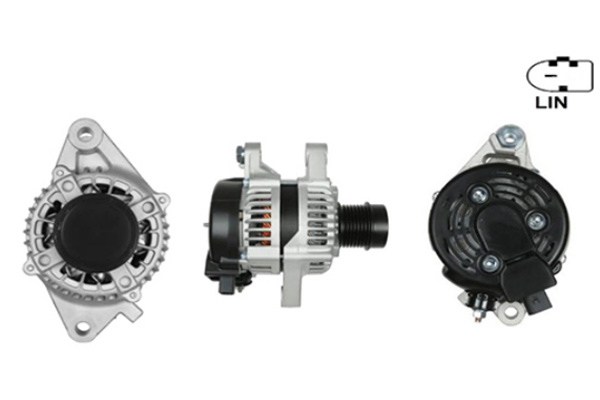 DENSO Alternator
OEM NO: 27060‑0C110, 104211‑2071
ENGINE: 3ZR‑FE
DESCRIPTION: 80 Amp/12 Volt
APPLICATION:
HILUX 2.7L 2015 -
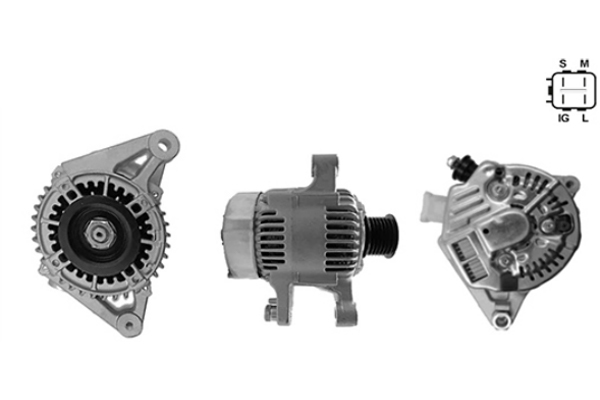 DENSO Alternator
OEM NO: 27060‑22230, 102211‑1910
ENGINE: 3ZZ‑FE, 4ZZ‑FE, 1ZZ‑FE
DESCRIPTION: 80 Amp/12 Volt
APPLICATION:
COROLLA 1.6L, COROLLA 1.4L, AVENSIS 1.8L -
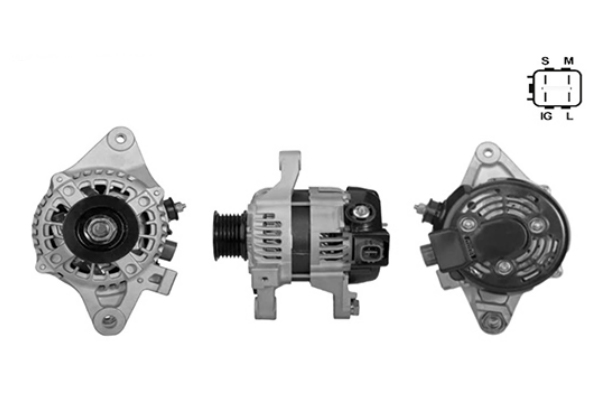 DENSO Alternator
OEM NO: 27060‑0T110, 104210‑1461
ENGINE: 3ZR‑FE
DESCRIPTION: 85 Amp/12 Volt
APPLICATION:
TOYOTA COROLLA ALTIS -
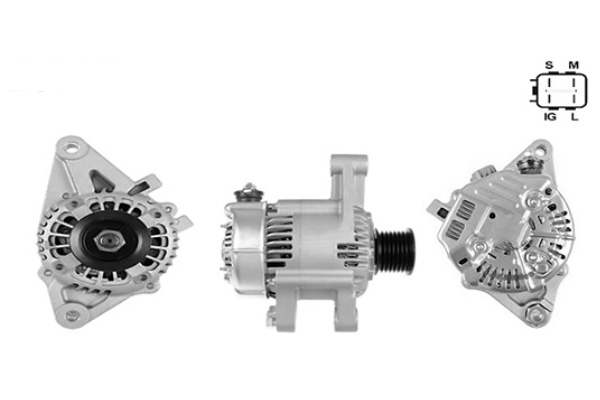 DENSO Alternator
OEM NO: 27060‑31011, 104210‑8411
ENGINE: 1GR‑FE
DESCRIPTION: 80 Amp/12 Volt
APPLICATION:
PRADO, LAND CRUISER 4.0L -
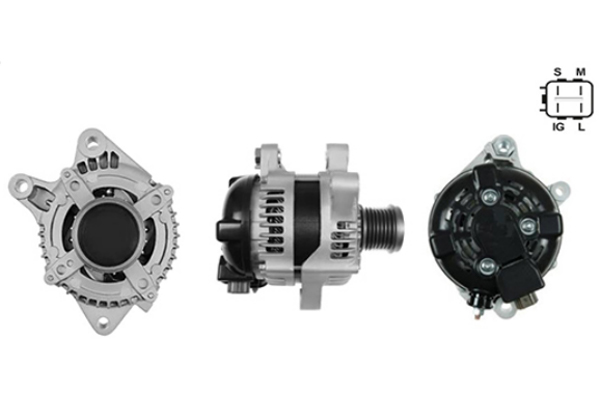 DENSO Alternator
OEM NO: 27060‑75460,104210‑1004
ENGINE: 2TR‑FE
DESCRIPTION: 100 Amp/12 Volt
APPLICATION:
4 RUNNER 2.7L, COASTER, LAND CRUISER -
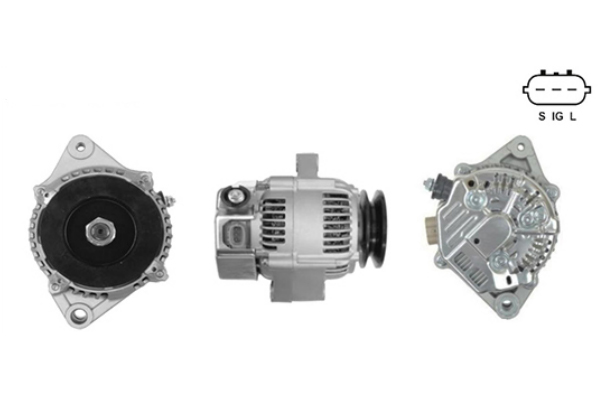 DENSO Alternator
OEM NO: 27060‑64170
ENGINE: T19, 3C‑TE
DESCRIPTION: 80Amp/12 Volt
APPLICATION:
TOYOTA CARINA E 2.0L TD
TOYOTA PICNIC 2.2D XM10
TOYOTA SPORTSVAN 2.2TD -
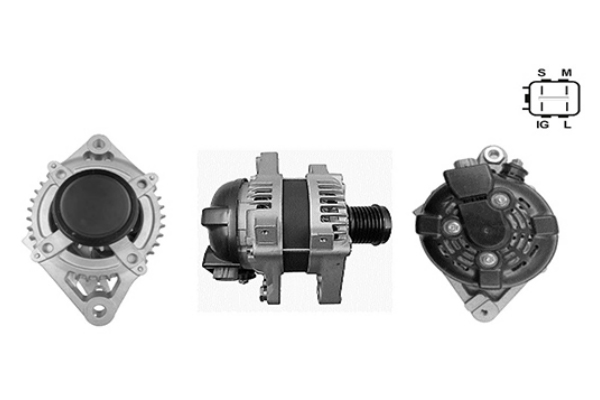 DENSO Alternator
OEM NO: 27060‑31270, 104211‑8613
ENGINE: J200
DESCRIPTION: 130 Amp/12 Volt
APPLICATION:
TOYOTA LANDCRUISER J200 2012‑15 -
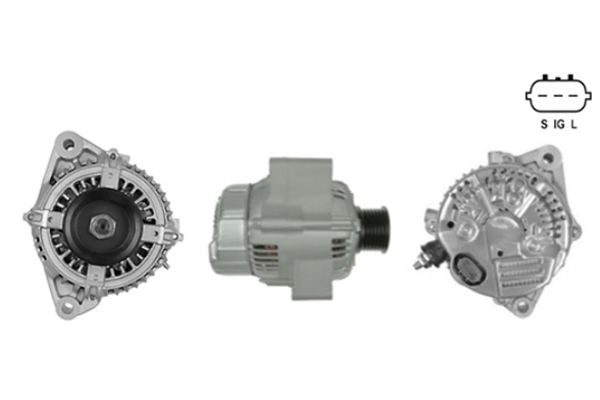 DENSO Alternator
OEM NO: 27060‑50080
ENGINE: 1UZ‑FE
DESCRIPTION: 100Amp/12 Volt
APPLICATION:
LEXUS LS‑400 4.0L V8 -
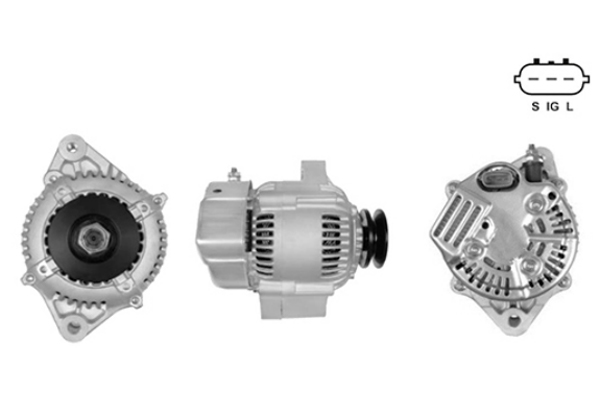 DENSO Alternator
OEM NO: 27060‑35160
ENGINE: 22R
DESCRIPTION: 60 Amp/12 Volt
APPLICATION:
HILUX 2.4L, 4‑RUNNER 2.4L -
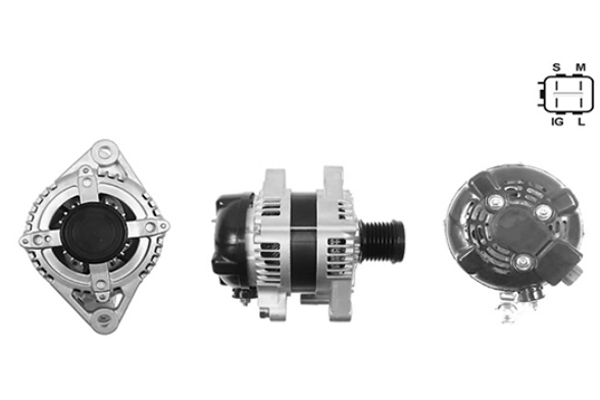 DENSO Alternator
OEM NO: 27060‑0P140
ENGINE: —
DESCRIPTION: 100 Amp/12 Volt
APPLICATION:
CAMRY 3.5L, HIGHLANDER 3.5L, AVALON 3.5L
RAV4 3.5L, VENZA 3.5L -
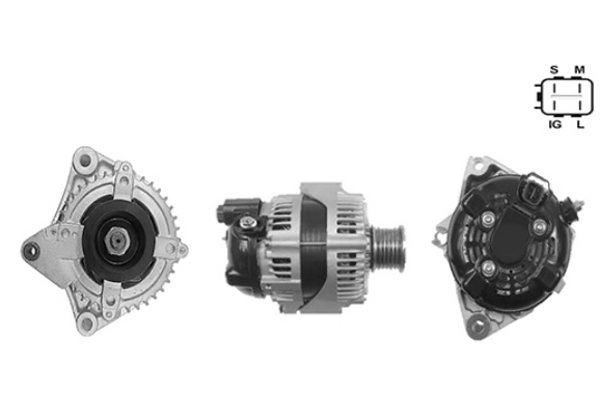 DENSO Alternator
OEM NO: 27060‑50390,104210‑5930
ENGINE: 2UZ‑FE
DESCRIPTION: 150 Amp/12 Volt
APPLICATION:
LAND CRUISER 200 4.7L -
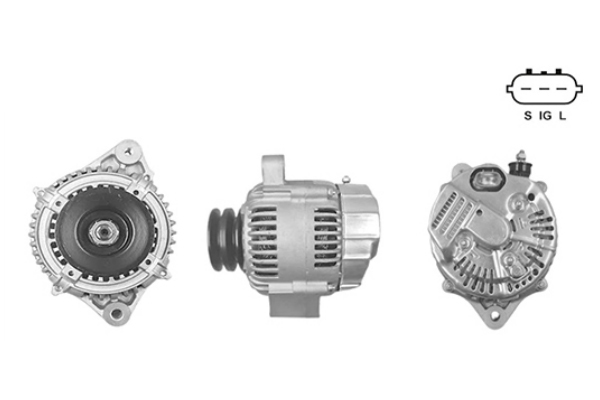 DENSO Alternator
OEM NO: 27060‑17240,102211‑0450
ENGINE: —
DESCRIPTION: 60 Amp/24 Volt
APPLICATION:
DYNA, COASTER -
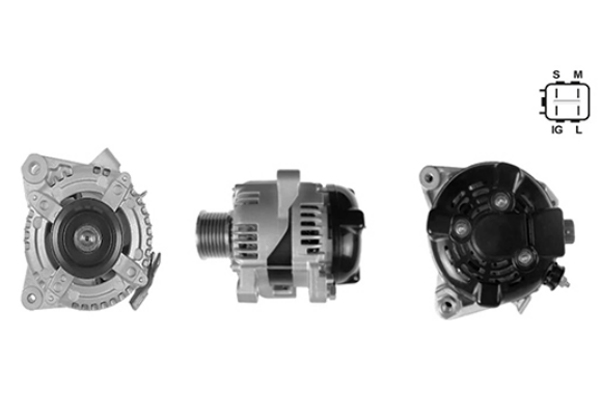 DENSO Alternator
OEM NO: 27060‑28290,27060‑20290,104210‑4030
ENGINE: —
DESCRIPTION: 130 Amp/12V
APPLICATION:
TOYOTA HIGHLANDER 2.3L,3.3L -
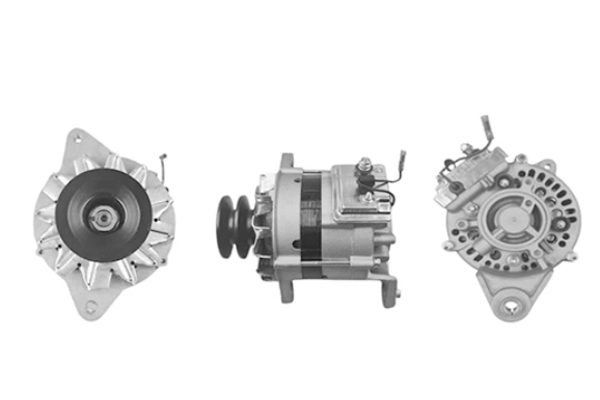 DENSO Alternator
OEM NO: 27020‑77060, 27020‑77023
ENGINE: 2D
DESCRIPTION: 40 Amp/24V
APPLICATION:
TOYOTA FORKLIFT 2D -
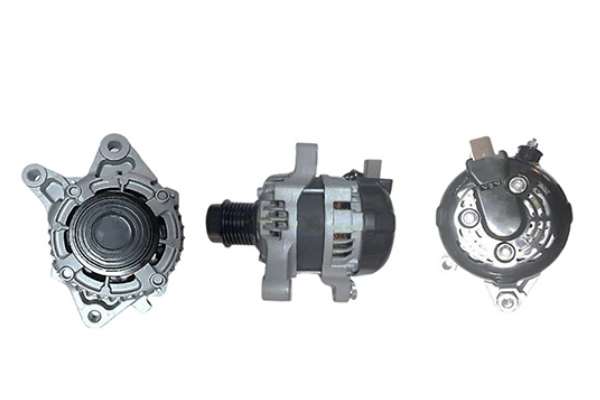 DENSO Alternator
OEM NO: 27060‑0C080, 104210‑7041
ENGINE: 2TR‑FE
DESCRIPTION: 125 Amp/12V
APPLICATION:
TOYOTA HILUX 2.7L 2019 -
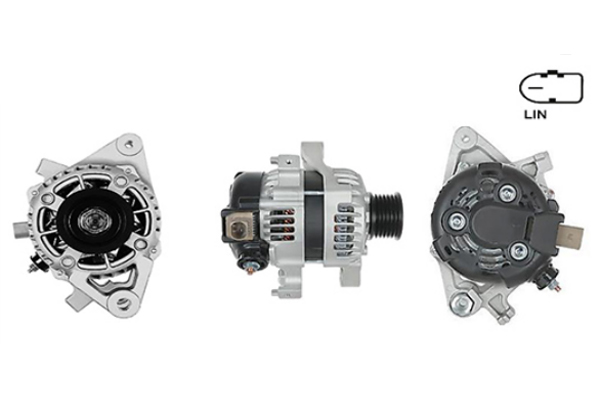 DENSO Alternator
OEM NO: 27060‑0Y300,104211‑2420
ENGINE: 1NR‑FE, 2NR‑FE
DESCRIPTION: 85 Amp/12 Volt/6PK
APPLICATION:
YARIS 1.3L, YARIS 1.5L, VIOS 1.3L, VIOS 1.5L -
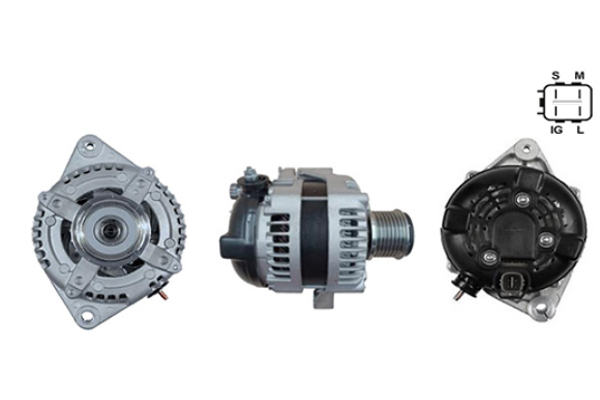 DENSO Alternator
OEM NO: 27060‑30130,27060‑30060,104210‑3410
ENGINE: 1KD‑FTV
DESCRIPTION: 100 Amp/12 Volt
APPLICATION:
LAND CRUISER PRADO, HIACE -
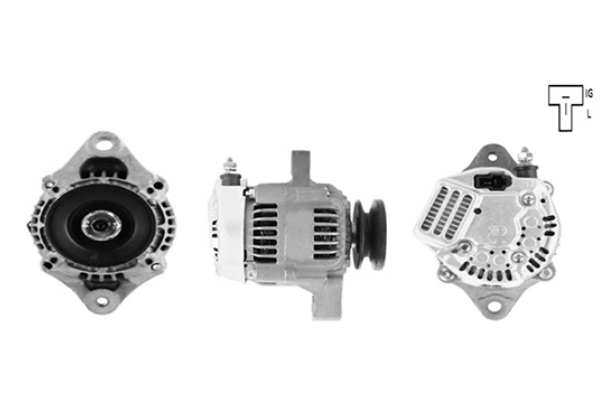 DENSO Alternator
OEM NO: 27060‑78001,100211‑1662
ENGINE: FGF20
DESCRIPTION: 35Amp/12 Volt
APPLICATION:
TOYOTA FORKLIFT -
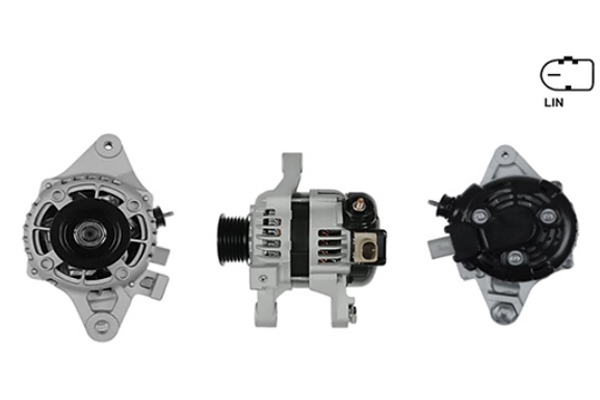 DENSO Alternator
OEM NO: 27060‑0T330, 104211‑2390
ENGINE: —
DESCRIPTION: 85 Amp/ 12 Volt
APPLICATION:
TOYOTA COROLLA ALTIS -
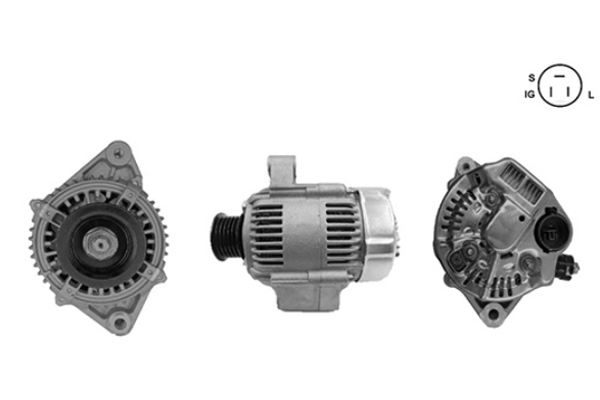 DENSO Alternator
OEM NO: 27060‑63020, 27060‑03010
ENGINE: 7M‑GTE, 7M‑GE, 1G‑FE
DESCRIPTION: 80Amp/12 Volt
APPLICATION:
TOYOTA SUPRA 3.0L TURBO
TOYOTA SUPRA 3.0L 24V
TOYOTA MARK II GX90
Our Company is China DENSO Alternator Suppliers and DENSO Alternator Manufacturers, Founded in 1997, Mengyang Motor Group specializes in DC, AC, and brushless motor solutions and serves as a professional motor manufacturer for the global market.
Innovation is both our goal and our legacy. We are certified to UL, CE, IATF 16949, and RoHS, delivering stable and reliable quality that meets international standards.
How Can DENSO Alternators Improve Vehicle Energy Efficiency and Electrical System Reliability?
The Increasing Demand for Stable Power Generation in Automotive Applications
With the rapid development of automotive electronics, the electrical systems inside modern vehicles have become increasingly complex. Advanced control modules, safety systems, intelligent driving functions, communication devices, and comfort features all require continuous and stable electrical support. Although the battery provides initial energy for engine startup, the alternator becomes the primary power source after the engine begins operating.
DENSO Alternators are designed to provide reliable electrical generation by converting mechanical energy from the engine into usable electrical power. Their performance directly influences battery charging efficiency, electrical system stability, and the long-term operation of vehicle components.
The alternator works through the principle of electromagnetic induction. When the engine drives the rotor to rotate, the changing magnetic field generates electrical current in the stator windings. The rectifier then converts the generated alternating current into direct current, which can supply power to vehicle systems and recharge the battery.
A reliable alternator needs to maintain stable output under various operating conditions. Engine speed changes, electrical load fluctuations, temperature differences, and continuous operation all place demands on alternator performance. Therefore, alternator design must consider electrical efficiency, heat management, mechanical strength, and component reliability.
For vehicles used in transportation, logistics, construction, agriculture, and other demanding environments, stable power generation is especially important. These vehicles often operate for extended periods and depend on reliable electrical systems to maintain productivity.
DENSO Alternators focus on achieving a balance between compact structure, efficient energy conversion, and durable performance. Through optimized electromagnetic design and reliable component integration, they help support consistent vehicle operation.
| DENSO Alternator Performance Feature | Technical Description | Operational Advantage |
| Stable Electrical Output | Provides consistent charging performance | Maintains reliable vehicle power supply |
| High Conversion Efficiency | Improves mechanical-to-electrical energy conversion | Reduces unnecessary energy loss |
| Strong Durability | Designed for continuous operation | Supports longer service life |
| Effective Voltage Regulation | Controls output voltage changes | Protects electronic components |
Why Do Charging Performance and Operating Stability Affect Alternator Selection?
The alternator is one of the most important components in a vehicle’s charging system. Its ability to generate stable electrical power directly affects the performance of the battery and other electronic systems.
Charging performance determines whether the alternator can meet the vehicle’s electrical demand. When vehicles are equipped with more electronic devices, the required power output increases. An alternator with suitable capacity can ensure that all systems receive sufficient energy while maintaining battery charging efficiency.
Operating stability is another important consideration. Vehicles may experience different working conditions, including high-speed driving, frequent stops, extreme temperatures, and heavy electrical loads. A reliable alternator must maintain consistent performance despite these variations.
Durability also plays a significant role in alternator selection. Since the alternator operates whenever the engine runs, internal components experience continuous rotation, vibration, and heat generation. High-quality materials and precise manufacturing help reduce wear and improve service life.
A properly selected alternator should match the vehicle’s electrical requirements, installation conditions, and operating environment. This ensures efficient operation and reduces potential maintenance issues.
| Important Selection Factor | Main Function | Influence on Application |
| Output Capacity | Determines available electrical power | Meets different energy requirements |
| Voltage Stability | Maintains consistent electrical output | Protects vehicle electronics |
| Thermal Performance | Controls operating temperature | Improves reliability under load |
| Mechanical Strength | Supports long-term operation | Reduces component failure risk |
How Does Jiangsu Mengyang Motor Manufacture Co. Ltd. Support Advanced Alternator Manufacturing?
Producing reliable alternators requires comprehensive capabilities in motor engineering, precision manufacturing, electrical testing, and quality management. The performance of an alternator depends on the accuracy of every production stage.
Founded in 1997, Jiangsu Mengyang Motor Manufacture Co. Ltd. is a professional motor manufacturer specializing in the research, development, and production of DC motors, AC motors, and brushless DC motors. The company has developed an integrated system covering engineering design, manufacturing processes, and delivery management.
With a modern manufacturing facility covering approximately 70,000 m² and more than 300 employees, Jiangsu Mengyang Motor Manufacture Co. Ltd. has established strong production capabilities supported by experienced engineers and a complete quality management framework.
By continuously improving motor technology and manufacturing processes, Jiangsu Mengyang Motor Manufacture Co. Ltd. provides reliable motor solutions featuring stable performance, efficient operation, and long-term durability.
What Design Elements Determine the Performance and Service Life of DENSO Alternators?
How Do Alternator Components Work Together to Achieve Efficient Power Generation?
An alternator is a precision electromechanical system consisting of multiple components that work together to generate and regulate electrical power. The performance of each component directly influences overall efficiency and reliability.
The rotor is responsible for creating a rotating magnetic field. Its electromagnetic characteristics determine the efficiency of power generation. A well-designed rotor can improve energy conversion while reducing unnecessary losses.
The stator contains windings that generate alternating current through electromagnetic induction. The quality of stator materials and winding design affects output capacity and operational stability.
The rectifier is responsible for converting alternating current into direct current. Since vehicle electrical systems require DC power, rectifier performance directly affects charging reliability.
The voltage regulator controls the alternator’s output according to electrical demand. Proper regulation prevents excessive voltage fluctuations and helps protect sensitive electronic systems.
| Alternator Component | Main Function | Performance Impact |
| Rotor | Creates magnetic field | Influences power generation efficiency |
| Stator | Produces electrical current | Determines output capability |
| Rectifier | Converts AC into DC power | Ensures usable electrical energy |
| Voltage Regulator | Controls charging voltage | Maintains electrical stability |
Why Are Heat Control and Material Quality Important for Alternator Reliability?
During operation, alternators generate heat due to electrical resistance and mechanical friction. Excessive temperature can affect component performance and shorten service life. Therefore, effective thermal management is essential for maintaining reliability.
Materials used in alternator production also influence durability. Components such as bearings, windings, housings, and electrical contacts must withstand continuous operation and environmental stress.
High-quality materials combined with precise manufacturing processes help improve resistance to vibration, temperature changes, and electrical loading.
For applications requiring long operating periods, alternator durability becomes a key factor in reducing maintenance frequency and improving equipment availability.
Factors Affecting Alternator Service Life
| Factor | Description | Effect |
| Material Quality | Determines component strength | Improves durability |
| Cooling Design | Controls heat generation | Supports stable operation |
| Assembly Precision | Ensures component coordination | Reduces vibration and wear |
| Testing Process | Verifies product performance | Improves reliability |
How Does Jiangsu Mengyang Motor Manufacture Co. Ltd. Ensure Consistent Motor Quality?
Consistency is essential in motor manufacturing because alternators must deliver reliable performance across different applications. Manufacturing accuracy, inspection procedures, and process management all contribute to product quality.
Jiangsu Mengyang Motor Manufacture Co. Ltd. combines engineering experience with systematic production management to maintain stable product performance. The company focuses on improving manufacturing processes, optimizing product design, and strengthening quality control.
Through professional production capabilities and technical expertise, Jiangsu Mengyang Motor Manufacture Co. Ltd. supports the development of reliable motor products suitable for various application environments.
How Will Advanced Alternator Technologies Shape the Future of Automotive Power Systems?
Why Are Lightweight and High-Efficiency Alternators Becoming More Important?
The automotive industry continues moving toward improved efficiency, lower energy consumption, and more intelligent electrical systems. These trends are creating higher expectations for alternator technology.
Future alternators need to provide stronger power generation capability while maintaining compact structures and improved efficiency. Lightweight materials, optimized electromagnetic designs, and advanced cooling methods are becoming important development directions.
Higher-efficiency alternators can reduce mechanical losses and improve overall vehicle energy management. This is especially valuable as vehicles continue adding more electrical functions.
| Technology Trend | Development Direction | Expected Improvement |
| Efficiency Enhancement | Optimized electromagnetic structure | Improves energy conversion |
| Lightweight Design | Advanced material application | Reduces mechanical load |
| Cooling Improvement | Enhanced thermal management | Improves operating stability |
| Smart Regulation | Advanced voltage control | Supports intelligent vehicles |
Why Does Manufacturing Experience Influence Alternator Development?
Motor manufacturing requires extensive knowledge of electrical engineering, mechanical design, production technology, and quality management. Experienced manufacturers can better understand application requirements and develop optimized solutions.
Since 1997, Jiangsu Mengyang Motor Manufacture Co. Ltd. has focused on motor research and manufacturing. The company specializes in DC motors, AC motors, and brushless DC motors, supported by professional engineering capabilities and integrated production systems.
With a manufacturing facility of approximately 70,000 m² and more than 300 employees, Jiangsu Mengyang Motor Manufacture Co. Ltd. continues improving its technical capabilities and production efficiency.
Through innovation and continuous process improvement, the company provides reliable motor products designed for stable performance and long-term operation.
Future Development Direction of Automotive Alternator Technology
Future alternator technology will continue developing toward higher efficiency, improved durability, compact structures, and better compatibility with advanced vehicle electrical systems.
As automotive systems become more intelligent and electrified, alternators will remain essential components for maintaining stable power supply. Continuous innovation in design and manufacturing will help create more reliable and efficient alternator solutions.
FAQ About DENSO Alternators
Q1: What is a DENSO Alternator?
A DENSO Alternator is an automotive power generation component that converts engine mechanical energy into electrical energy.
Q2: What are the main advantages of DENSO Alternators?
They provide efficient energy conversion, stable charging performance, reliable voltage control, and durable operation.
Q3: What applications use alternators?
Alternators are widely used in passenger vehicles, commercial vehicles, transportation equipment, agricultural machinery, and industrial systems.
Q4: How can the correct alternator be selected?
Selection should consider electrical requirements, output capacity, installation conditions, operating environment, and durability needs.
Q5: Why choose Jiangsu Mengyang Motor Manufacture Co. Ltd.?
Jiangsu Mengyang Motor Manufacture Co. Ltd. has professional motor manufacturing experience, advanced production facilities, and integrated engineering capabilities to provide reliable motor solutions.

Copyright © 2026 by Jiangsu Mengyang Motor Manufacture Co. Ltd. Rights Reserved.
